
Selling a Salvage Car to a Dealer: Legal Requirements in South Africa
Learn the legal steps for selling a salvage car to a dealer in South Africa - disclosure duties, documents needed, finance settlement and transfer process.
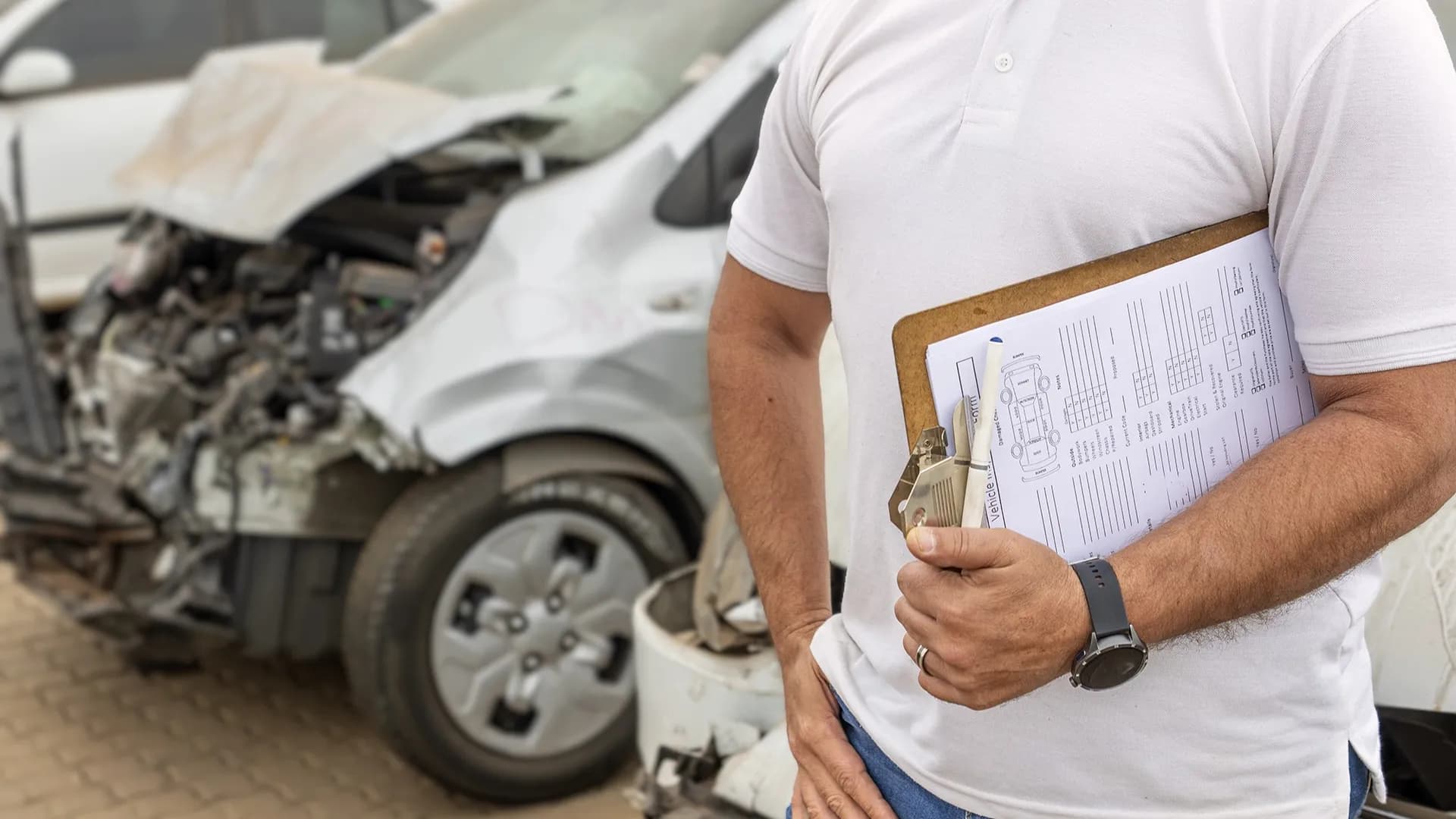
Full Disclosure Required
Always disclose write-off status, major repairs and outstanding finance.
Have Documents Ready
Registration, ID, insurer letters and finance details speed the sale.
Dealers Handle Transfer
Specialist buyers often arrange collection, deregistration and settlement.
Overview: selling a salvage car to dealer legal requirements
Selling a salvage car to a dealer requires both clear disclosure and the right paperwork. Whether the vehicle was written off by an insurer, damaged in flood or fire, or declared non-repairable, South African sellers must follow legal and practical steps so title transfers correctly and all parties meet regulatory obligations. This guide explains what dealers typically require, what you must disclose, and how to avoid delays when selling a salvage car to a dealer.
Key point
Always be transparent about the vehicle's salvage status and any outstanding finance or insurer decisions. Misrepresentation can create legal exposure under South African consumer and contract law.
When to sell vs repair
Deciding whether to repair a damaged vehicle or sell it as salvage depends on repair cost, the vehicle's market value, and the insurer's write-off decision. If repair estimates approach or exceed the car's market value, many owners opt to sell the vehicle to a dealer who specialises in salvage and salvage administration.
| Estimated Repair Cost (R) | Typical Value Retained (estimate) | Common Recommendation |
|---|---|---|
| R0 - R10,000 | 70%-95% | Repair usually viable |
| R10,000 - R40,000 | 40%-70% | Compare quotes; consider selling if value is marginal |
| R40,000+ | 10%-40% | Often sold as salvage; dealers can facilitate paperwork and towing |
How the sale-to-dealer process typically works
- Provide accurate vehicle details, damage photos and any insurer write-off letters.
- Dealer assesses the vehicle (often remotely, then on-site) and issues a conditional offer.
- If accepted, the dealer arranges transfer of ownership, deregistration where relevant, and collection.
- Payment and settlement of any outstanding finance are completed once documentation is verified.
If you want a concise walkthrough of how a specialist buyer handles non-running or damaged cars, see our About / How it works page for Sell Your Damaged Car which outlines administration and collection steps. For owners focused specifically on damaged vehicles, our Sell Damaged Cars resource explains acceptance criteria and documentation expectations.
Damage types and typical offer impact
| Damage Type | Typical Offer Impact (estimate) | Notes |
|---|---|---|
| Structural/frame damage | High negative impact | Dealer will require full inspection and may classify as salvage |
| Mechanical failure (non-running) | Moderate to high impact | Severity and parts availability matter |
| Flood or water damage | High impact | Electrical systems often compromised; full disclosure essential |
| Minor cosmetic damage | Low to moderate impact | May be repairable economically |
For owners who want a fast online valuation and nationwide collection, the Sell Your Damaged Car homepage explains the simple upload-and-offer flow: Sell Your Damaged Car.
Legal & paperwork requirements in South Africa
When selling a salvage car to a dealer in South Africa, several legal and administrative steps are commonly required. Below are practical items you should prepare and verify with the dealer:
- Proof of ownership / registration document (vehicle licence papers).
- Your South African ID copy and proof of residence (as required for transfer).
- Written disclosure of damage and insurer correspondence if the car was declared a write-off.
- Settlement of any outstanding finance, or written consent from the financier to transfer the vehicle.
- A completed transfer form and signed power of attorney if you cannot be present for collection.
Consumer protection and disclosure
Under the Consumer Protection Act and general contract law, sellers must not misrepresent material facts. That means you should disclose salvage status, previous structural repairs, and whether the vehicle was written off by an insurer. A dealer will typically include these disclosures in the sale agreement and in the transfer documents submitted to licensing authorities.
Vehicles under finance
If your vehicle has outstanding finance, the financier has a legal interest in the vehicle. You should notify the lender and obtain a settlement figure or written instruction about transfer. Dealers frequently coordinate settlement with finance houses, but you should confirm who pays any shortfall and get written confirmation before collection.
Tips to maximise compliance and speed the sale
- Gather documents before you accept an offer to shorten settlement times.
- Keep clear, dated photos of damage and the whole vehicle - useful for dealer assessment and insurer records.
- Be upfront about any outstanding finance or insurer write-off letters to avoid later disputes.
- Use a buyer who offers free collection and handles transfer/deregistration to reduce logistic friction.
What happens after collection
Once the dealer collects the vehicle, they will finalise paperwork and register the transfer with the licensing authority. For salvage vehicles this may include submission of insurer write-off documentation or a salvage certificate where applicable. Confirm with the dealer how they treat deregistration and whether they will provide written confirmation that ownership has transferred. If you used a specialist buyer, review their process details on the Sell Non-Running Car page.
Practical SA scenarios (examples)
Example 1: A Cape Town owner with flood-damaged systems provides insurer write-off paperwork and outstanding finance details; the dealer arranges settlement with the financier and completes transfer once settlement clears.
Example 2: A Johannesburg owner with structural damage discloses the write-off status; the dealer collects the vehicle and issues a transfer receipt, then submits required documentation to the licensing authority. In both cases, transparent disclosure limited the risk of later disputes.
| Seller action | Why it matters |
|---|---|
| Provide insurer write-off letter | Confirms salvage status and speeds dealer processing |
| Disclose outstanding finance | Prevents transfer delays and legal complications |
Sources
Seasoned automotive specialists dedicated to helping you turn your damaged or non-running vehicle into cash fast and hassle-free.
Disclaimer: This content is for educational purposes only. Product availability, pricing, and specifications are subject to change. Always verify current details on the retailer's website before making a purchase. We may earn affiliate commissions from qualifying purchases.
Why sell your damaged car to us?

A Division of Auction Nation, the leading expert in selling damaged cars

Best price for your damaged car

Get a cash offer within 24h

We buy damaged cars in any condition

We buy accident- damaged cars still under finance

Free, no obligation offer on your vehicle
How We Calculate Your Damaged Car’s Value
Wondering how we calculate your car’s value? At Sell Your Damaged Car, we look at: Your car’s real condition, its salvage value, and the current market demand. It’s all about honesty, transparency, and fairness — that’s how we determine your offer.
Frequently Asked Questions
Get answers to common questions about Legal And Paperwork
Why Choose Sell Your Damaged Car?
Free Towing
Need a tow? We got you
Hassle Free
Get a cash offer within 24h!
Nationwide
Somewhere remote? No problem!
