
Selling Non-Running Cars: Towing Trends and What South African Owners Should Know
Explore towing trends that shape offers for non-running cars in South Africa. Learn when to sell vs repair, how collection affects value, and paperwork steps.
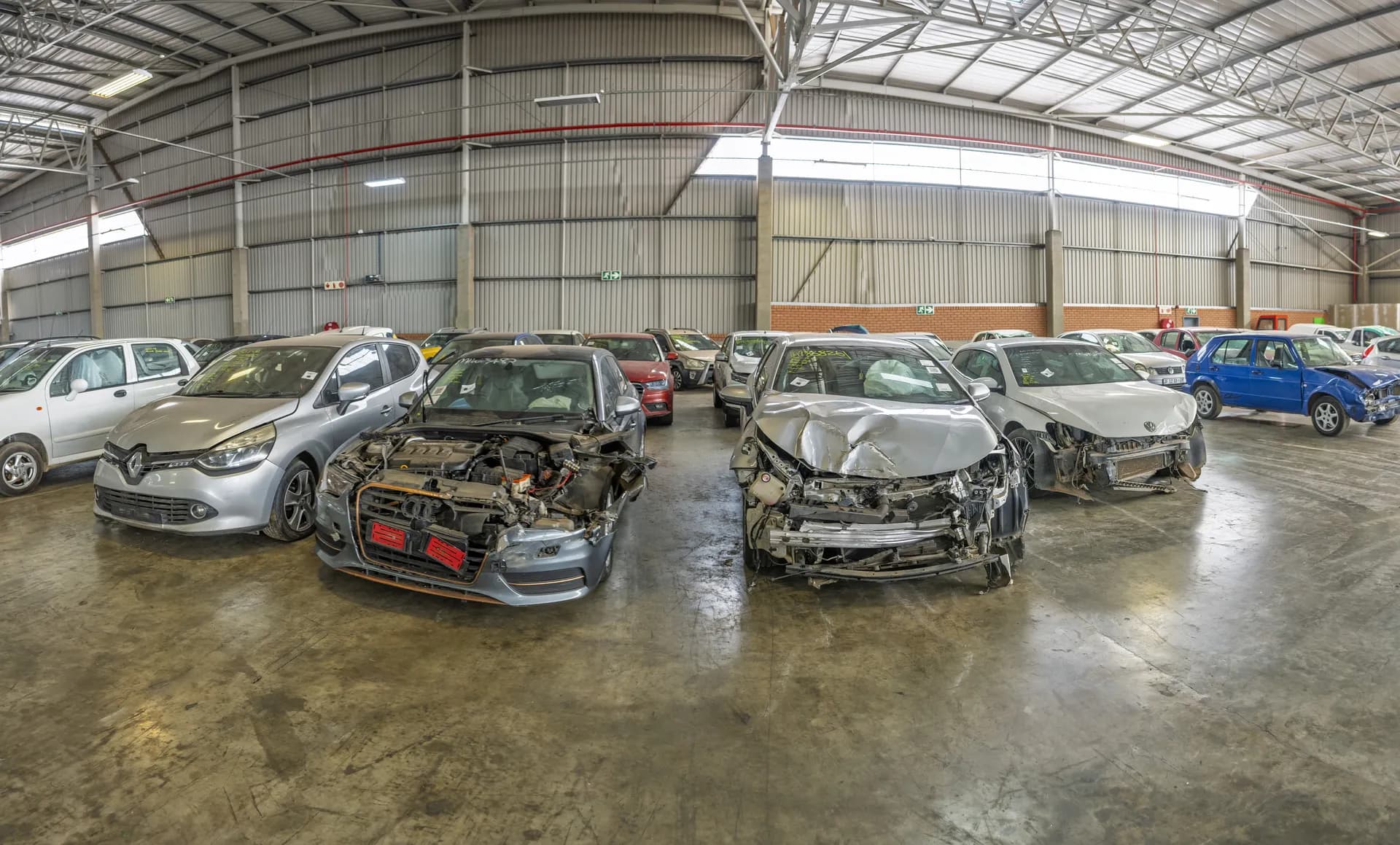
Towing Changes Offers
Transport costs and collection speed directly affect cash offers for non-running cars.
Repair vs Sell Decision
If repairs approach a high share of market value, selling is often more practical.
Paperwork & Deregistration
Correct transfer and disclosure of finance reduce risk and speed payment.
Overview: Why towing trends matter when selling non-running cars
Selling non-running cars has shifted in recent years as towing logistics, salvage demand and online valuations have improved. The phrase selling non-running cars towing trends captures how collection options and transport costs directly affect sellers’ choices and offers. For South African owners - from Johannesburg and Pretoria to Cape Town and Durban - understanding these trends helps you time a sale, avoid hidden costs and choose the right buyer.
Recent market signals
Towing consolidation and more online buyers have reduced the friction of moving non-running vehicles. Increased demand for parts and salvage has made some locations more competitive for written-off cars, while remote areas still face longer collection windows. Sell Your Damaged Car’s nationwide towing approach has contributed to more transparent transportation expectations for sellers across metros and surrounding regions.
When to sell vs repair
Deciding whether to repair or sell a non-running car depends on repair costs, the vehicle’s pre-accident market value, and time. If repair estimates exceed a large share of market value or if ongoing storage is adding risk, selling is often the more practical choice.
| Scenario | Typical repair cost (estimate, R) | Value retained after repair |
|---|---|---|
| Minor mechanical (starter, alternator) | R2,000 - R8,000 | High - usually near pre-fault value |
| Major mechanical (engine/transmission) | R15,000 - R80,000+ | Varies - often below pre-fault value |
| Structural/accident damage | R20,000 - R150,000+ | Often significantly reduced - may be written off |
Note: the figures above are indicative South Africa estimates and will vary by vehicle age, make, labour rates and parts availability. If repair costs approach or exceed 50-70% of the vehicle’s pre-fault market value, many owners choose to sell the non-running car instead.
Practical takeaway: factor in towing. If collection is expensive or delayed, repair may feel less attractive even when repair costs are moderate. Services that offer free or low-cost towing change the balance for many sellers in metro and peri-urban areas.
Where towing trends most affect offers
- Remote pickups increase holding costs and reduce offers due to return-trip expenses.
- High salvage demand in major metros can raise offers for partable vehicles.
- Faster collection windows reduce storage risk and can improve liquidity for sellers.
If you want to compare services or learn more about selling a non-running car via an online buyer, see the Sell Non-Running Car page for a dedicated process overview. Sell Non-Running Car and review the company’s nationwide towing notes on the main site for practical expectations. Sell Your Damaged Car homepage
How towing practices have evolved for non-running vehicles
Towing has shifted from local, ad-hoc operators to integrated logistics providers that coordinate nationwide collections, digital scheduling and bulk movements to salvage yards. This reduces wait times for sellers and stabilises transport costs, particularly for organised buyers that buy at scale.
Real-world South Africa examples
In Johannesburg and Cape Town, centralised salvage yards and dense recovery networks mean same-day or next-day collection is common. In smaller towns or rural regions, expect longer lead times and potential collection windows of several days. That difference explains why towing trends directly influence cash offers across regions.
Further reading on how the service works
If you’d like a step-by-step look at the buyer side of the process - from valuation to collection and payment - the About / How it works page explains logistics and paperwork handling in more detail. About / How it works
How the process works when selling non-running cars
Typical steps for selling a non-running car to a professional buyer are: submit vehicle details and photos, receive an initial valuation, accept an offer, arrange collection and complete paperwork. Modern buyers coordinate towing and handle deregistration or transfer formalities on your behalf, which reduces seller effort and risk.
Damage types and typical offer impact
| Damage type | Typical impact on offer | Notes (SA context) |
|---|---|---|
| Mechanical (non-runner) | Moderate reduction | Parts demand and towing availability influence offer. |
| Accident / structural | Significant reduction | Written-off status and salvageable components drive value. |
| Flood / water damage | High reduction | Electrical and corrosion risks lower recovery value. |
| Fire damage | Large reduction | Often sold for parts or scrap only. |
Legal & paperwork considerations in South Africa
When a non-running car is sold, it’s important to transfer ownership correctly and deregister if required. Buyers who handle paperwork reduce the risk of liability for the seller. For vehicles under finance, the outstanding loan must be disclosed and settlement arranged; this can affect timing and net proceeds. Always keep copies of signed transfer documents and bank proofs when payment is made.
Tips to maximise your offer
- Provide clear photos of damage and the vehicle’s identity plate - accurate information leads to better valuations.
- Disclose finance or title encumbrances early to avoid delays at collection.
- Compare offers that include towing and paperwork handling - these lower your net cost and often yield higher effective value.
- If you have maintenance records, supply them to improve buyer confidence.
For a process tailored to non-running vehicles, the Sell Damaged Cars page explains how buyers often treat non-starters and salvaged units. Sell Damaged Cars provides detail on damage categories and typical admin steps. If you want the full service experience and national logistics in one place, review the company overview. About / How it works
What happens after collection
After collection, buyers typically complete paperwork (including transfer or deregistration where applicable), inspect the vehicle at a facility, and release payment. Depending on the buyer’s business model the vehicle may be parted out, repaired for resale in a different market, or sold as salvage. Sellers should retain records of the accepted offer, proof of collection and the bank payment confirmation for their records.
Final practical example
Example: A non-running 2010 vehicle in a Johannesburg suburb with a failed gearbox may attract better offers than a similar car in a remote town because salvage yards in metro areas have higher parts demand and shorter tow routes. Accounting for free towing or coordinated logistics can close the gap and make selling the more practical option.
Sources
Seasoned automotive specialists dedicated to helping you turn your damaged or non-running vehicle into cash fast and hassle-free.
Disclaimer: This content is for educational purposes only. Product availability, pricing, and specifications are subject to change. Always verify current details on the retailer's website before making a purchase. We may earn affiliate commissions from qualifying purchases.
Why sell your damaged car to us?

A Division of Auction Nation, the leading expert in selling damaged cars

Best price for your damaged car

Get a cash offer within 24h

We buy damaged cars in any condition

We buy accident- damaged cars still under finance

Free, no obligation offer on your vehicle
How We Calculate Your Damaged Car’s Value
Wondering how we calculate your car’s value? At Sell Your Damaged Car, we look at: Your car’s real condition, its salvage value, and the current market demand. It’s all about honesty, transparency, and fairness — that’s how we determine your offer.
Frequently Asked Questions
Get answers to common questions about Selling Guides
Why Choose Sell Your Damaged Car?
Free Towing
Need a tow? We got you
Hassle Free
Get a cash offer within 24h!
Nationwide
Somewhere remote? No problem!
