
Selling Damaged Cars with Outstanding Finance: South African Trends & Practical Guidance
Learn trends and practical steps for selling damaged cars with outstanding finance in South Africa. Legal checklist, settlement options, paperwork and examples.
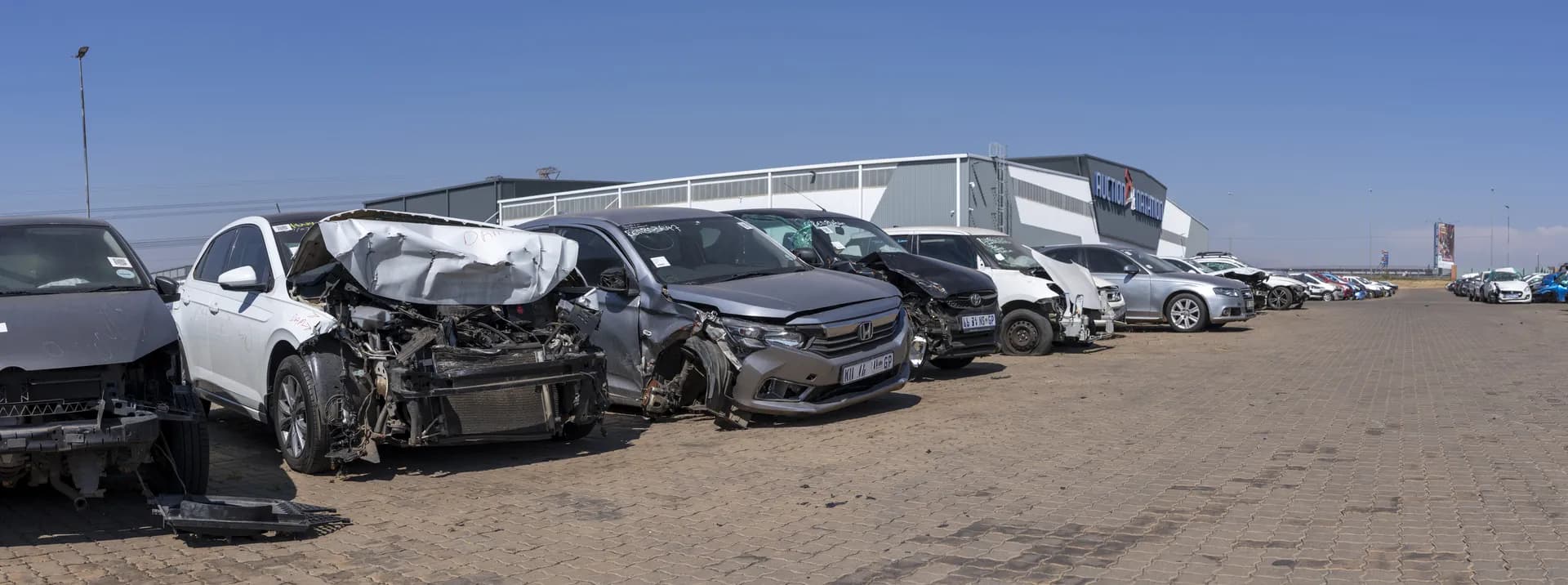
Check Your Settlement Figure
Get a written payout from your lender before negotiating offers.
Be Transparent About Finance
Disclose outstanding loans to buyers to ensure a clean transfer.
Use Specialist Buyers
Buyers handling payoff and paperwork simplify sales of financed, damaged cars.
Overview: Selling damaged cars with outstanding finance in South Africa
Selling a damaged or non-running vehicle while finance remains outstanding is increasingly common in South Africa. Market shifts-higher repair costs, increased salvage demand and stricter lender processes-mean many private owners and small fleets are considering sale instead of repair. This guide explains trends, the difference between selling and repairing, and the legal and practical steps you should expect when a vehicle still has a loan against it.
Key trend: lenders and buyers both factor in outstanding finance when pricing damaged cars. Clearing or formally managing the finance is essential to transfer ownership safely and avoid repossession risks.
When to sell vs repair: financial and practical considerations
Deciding whether to repair a damaged vehicle with outstanding finance depends on three practical factors: the cost of repair versus remaining finance, expected retained value after repair, and time/effort required to complete repairs. For accident-written-off or severely damaged vehicles, selling to a buyer who accepts cars in any condition is often quicker and reduces carrying costs.
Simple decision checklist
- Compare repair estimate (R) to the outstanding finance balance (R).
- Assess likely market value post-repair-if repairs cost more than the value uplift, selling is usually better.
- Consider timeline and cash flow: lenders may accelerate repossession if payments stop.
Repair cost vs value retained
| Repair cost (estimate) | Expected retained market value after repair | Likely action |
|---|---|---|
| Less than R10,000 | Small uplift (R10,000-R25,000) | Repair if budget allows and finance manageable |
| R10,000-R50,000 | Variable uplift; depends on model and age | Evaluate against outstanding finance and time to complete repairs |
| Over R50,000 | Often below repair cost for older cars | Selling is usually more cost-effective |
How the process works when finance is outstanding
Selling a damaged car with outstanding finance requires coordination between you, the lender and the buyer. Common routes include paying out the loan before transfer, arranging a settlement at sale, or selling to a licensed buyer who can handle the payout and transfer. Each approach has trade-offs in cash flow, timing and paperwork complexity.
Typical steps
- Check the exact outstanding balance with your lender and request a settlement figure valid for a specified period.
- Disclose to prospective buyers that the vehicle has outstanding finance; transparency avoids legal issues later.
- Agree whether the buyer will pay the lender directly, you will settle first, or the sale proceeds will be used to clear finance as part of completion.
- Ensure the buyer will provide a written receipt of payment to the lender and that the lender confirms a clear title before transfer.
For more on how our service handles damaged and non-running vehicles, see the Sell Damaged Cars overview and our About / How it works page for company practices that help sellers manage finance payoff and paperwork.
Legal & paperwork nuances in South Africa
South African law puts strong emphasis on clear title and proper transfer. If a vehicle has outstanding finance it may be subject to the lender's lien until the debt is settled. Always obtain written confirmation from the lender that the bond or security interest will be removed on settlement. Mishandling transfers can leave sellers exposed to liability or claims by the financier.
Practical legal checklist
- Request a settlement figure and confirm the method of release for the registration document.
- Use a written sale agreement that records the outstanding finance and steps to clear it.
- Confirm deregistration or transfer with the vehicle registration authority once the financier issues clearance.
Tips to maximise your offer when finance is outstanding
Even with outstanding finance, there are ways to secure a stronger, more transparent offer. Provide thorough photos of damage and condition, supply accurate service records, and get a current settlement figure from your lender before negotiating. Buyers that specialise in damaged cars often accept vehicles with finance if the payout and transfer are clearly arranged.
Damage types vs typical offer impact
| Damage type | Typical impact on offer | Seller action to improve offer |
|---|---|---|
| Structural/Write-off | Significant reduction due to repair complexity | Provide insurer documentation and full damage photos |
| Mechanical failure (non-running) | Moderate reduction; depends on parts availability | List known fault codes and maintenance history |
| Flood or fire damage | Large reduction; buyers factor corrosion and electrical risk | Supply any specialist reports and be transparent about extent |
What happens after collection and finance settlement
After a buyer collects the vehicle, the agreed payout process should be followed: payment to the lender (if arranged) or direct settlement between seller and financier, followed by issuance of a release and the transfer/deregistration of the vehicle. Sell Your Damaged Car handles paperwork and coordinates with lenders to ensure the transfer is completed correctly, including deregistration where applicable. Confirm bank receipts and a lender clearance statement before considering the matter closed.
Practical examples (South Africa)
Example 1: A 2012 compact car with R45,000 outstanding and R30,000 repair estimate. Because repairs exceed the likely uplift, sellers often arrange a settlement through a buyer who pays the lender directly and takes the vehicle as salvage.
Example 2: A fleet vehicle with R120,000 outstanding but minor damage with a R8,000 repair cost. Fleet owners may prefer repair and continue payments if cash flow allows; alternatively, selling to a specialist buyer who handles finance payoff can simplify administration.
If you want to compare selling a non-running vehicle vs selling a damaged vehicle with finance details, our Sell Non-Running Car page explains the process for non-starters and the documentation typically required. For a broad overview of services and nationwide collection, see our homepage.
Sources
- National Credit Regulator (NCR) - information about credit agreements and consumer rights
- Road Traffic Management Corporation (RTMC) - vehicle registration and transfer guidance in South Africa
- South African Insurance Association (SAIA) - insights into salvage and insurance write-offs in South Africa
Notes on figures: repair cost examples and settlement behaviours are illustrative and approximate. Actual outcomes depend on vehicle make, age, condition, lender policies and salvage demand. Always confirm your lender's settlement figure in writing and request a release document once the outstanding finance is cleared.
Seasoned automotive specialists dedicated to helping you turn your damaged or non-running vehicle into cash fast and hassle-free.
Disclaimer: This content is for educational purposes only. Product availability, pricing, and specifications are subject to change. Always verify current details on the retailer's website before making a purchase. We may earn affiliate commissions from qualifying purchases.
Why sell your damaged car to us?

A Division of Auction Nation, the leading expert in selling damaged cars

Best price for your damaged car

Get a cash offer within 24h

We buy damaged cars in any condition

We buy accident- damaged cars still under finance

Free, no obligation offer on your vehicle
How We Calculate Your Damaged Car’s Value
Wondering how we calculate your car’s value? At Sell Your Damaged Car, we look at: Your car’s real condition, its salvage value, and the current market demand. It’s all about honesty, transparency, and fairness — that’s how we determine your offer.
Frequently Asked Questions
Get answers to common questions about Legal And Paperwork
Why Choose Sell Your Damaged Car?
Free Towing
Need a tow? We got you
Hassle Free
Get a cash offer within 24h!
Nationwide
Somewhere remote? No problem!
