
Selling a Damaged Car in South Africa - FAQ for Owners
FAQ for selling damaged, non-running or written-off cars in South Africa. Learn about offers, paperwork, finance, towing and how to prepare your vehicle for a fast sale.
Clear FAQ Answers
Common legal, paperwork and valuation questions for South African sellers.
Sell vs Repair Guidance
Practical estimates and repair vs sell considerations with SA cost examples.
Nationwide Process Notes
What to expect: free towing, finance handling, deregistration and payment timelines.
Overview: selling damaged car SA FAQ
This FAQ explains the key points owners ask about when selling a damaged car in South Africa. Whether your vehicle is accident-damaged, flood-affected, fire-damaged, non-running or written off, understanding the process, legal steps and market factors helps you make an informed choice. The answers below focus on practical next steps, typical timelines and SA-specific issues such as deregistration and vehicles under finance.
When to sell vs repair
Deciding between repairing and selling depends on repair cost, the car’s market value, safety and how quickly you need cash or space. For older vehicles where repair estimates approach or exceed the retail value, selling to a cash buyer is often simpler and lower risk.
- If repair estimate >50-70% of market value (estimate), consider selling.
- Non-running vehicles or cars with structural damage often cost more to restore than they return.
- Businesses with fleet downtime considerations typically sell rather than wait for long repairs.
Repair cost vs value retained
| Scenario | Typical repair cost (R, estimate) | Value retained after repair |
|---|---|---|
| Minor cosmetic damage | R2,000 - R8,000 | High (80-95%) |
| Mechanical repairs (engine/transmission) | R8,000 - R40,000+ | Moderate (50-80%) |
| Structural/airbag deployment | R20,000 - R100,000+ | Low (20-60%) |
Notes: figures are estimates for South Africa and vary by make, model and region (Johannesburg, Cape Town, Durban). Always get a written repair quote and a competitive cash offer for comparison. If you want a streamlined selling route for a non-running vehicle, see our Sell Non-Running Car page for details.
How offers are affected by damage type
Buyers consider repair cost, salvage demand and parts value. The table below summarises typical impacts on offers.
Damage types vs typical offer impact
| Damage type | Typical effect on offer |
|---|---|
| Minor bodywork/scratches | Small reduction; still close to retail if mechanicals OK |
| Structural/frame damage | Significant reduction; lower offers due to safety and repair cost |
| Engine/transmission failure | Offers depend on parts demand; non-running status lowers value |
| Flood or fire damage | Substantial reduction; some vehicles unsalvageable for road use |
If you want to compare options for a damaged vehicle, our Sell Damaged Cars page explains the types we buy and what information to prepare for a fast valuation.
Tip: Good photos (multiple angles, engine bay, VIN/chassis, damage close-ups) and accurate descriptions speed up offers and improve accuracy.
How the process works (SA context)
A typical sale to a specialist buyer follows four steps: submit vehicle details and photos online, receive an obligation-free offer, accept and arrange collection, complete paperwork and receive payment. Most national buyers provide free towing and assist with deregistration and paperwork - saving time and transport cost, especially for non-running cars or written-off vehicles. Learn more about our company approach on the About / How it works page.
Legal & paperwork in South Africa
Key legal points when selling: transfer of ownership, deregistration (if written off), disclosure of known damage and dealing with vehicles under finance. If the vehicle is financed, the financier usually remains the registered owner until the outstanding balance is settled - you must disclose finance and agree how the buyer will settle it. Specialist buyers often coordinate with the financier to clear the debt and transfer the title as part of the sale.
Common paperwork checklist
- Vehicle registration document (logbook) or proof of ownership
- Valid ID of the seller
- Signed sale agreement (buyer often provides)
- Financier clearance documents if applicable
- Declaration of damage and any insurance write-off letter if available
Tips to maximise your offer
While offers depend on condition and market demand, these practical steps often improve the result:
- Provide clear photos and honest descriptions - transparency reduces delays.
- Gather service history and receipts to prove maintenance (if available).
- Remove personal items and safely prepare the vehicle for collection.
- Get multiple offers if you have time - compare total value including towing and admin support.
What happens after collection
After you accept an offer, the buyer arranges free towing (nationwide), completes paperwork, settles any financier balance if needed, and releases payment. Payment timelines vary but reputable buyers typically arrange near-instant payment once transfer and collection are confirmed. Keep records of the sale, transfer documents and bank confirmation for your records and for any tax or insurance follow-up.
Common questions answered
Can I sell a car that’s still under finance?
Yes, but you must disclose the finance. The buyer or you must settle the outstanding debt with the financier to enable transfer. Many specialist buyers coordinate this as part of the sale to simplify the process.
Do I need to deregister a written-off vehicle?
Deregistration is an administrative step some buyers handle for you. If the vehicle is declared a write-off by an insurer, ensure you have the insurer’s documentation. A national buyer often completes deregistration and guides you through the required forms.
How long does a sale take?
From online submission to collection can be as short as 24-72 hours for straightforward cases. Times vary with finance clearance, inland collection logistics or if additional inspections are required.
Next steps and further reading
If you’re ready to compare offers, start by preparing photos and the vehicle details listed above. For streamlined options tailored to non-running vehicles, see our Sell Non-Running Car page. For a full overview of acceptable vehicles and what to expect, our Sell Damaged Cars resource is useful. To learn about our company and step-by-step process, visit the homepage and About pages.
Sources
Seasoned automotive specialists dedicated to helping you turn your damaged or non-running vehicle into cash fast and hassle-free.
Disclaimer: This content is for educational purposes only. Product availability, pricing, and specifications are subject to change. Always verify current details on the retailer's website before making a purchase. We may earn affiliate commissions from qualifying purchases.
Why sell your damaged car to us?

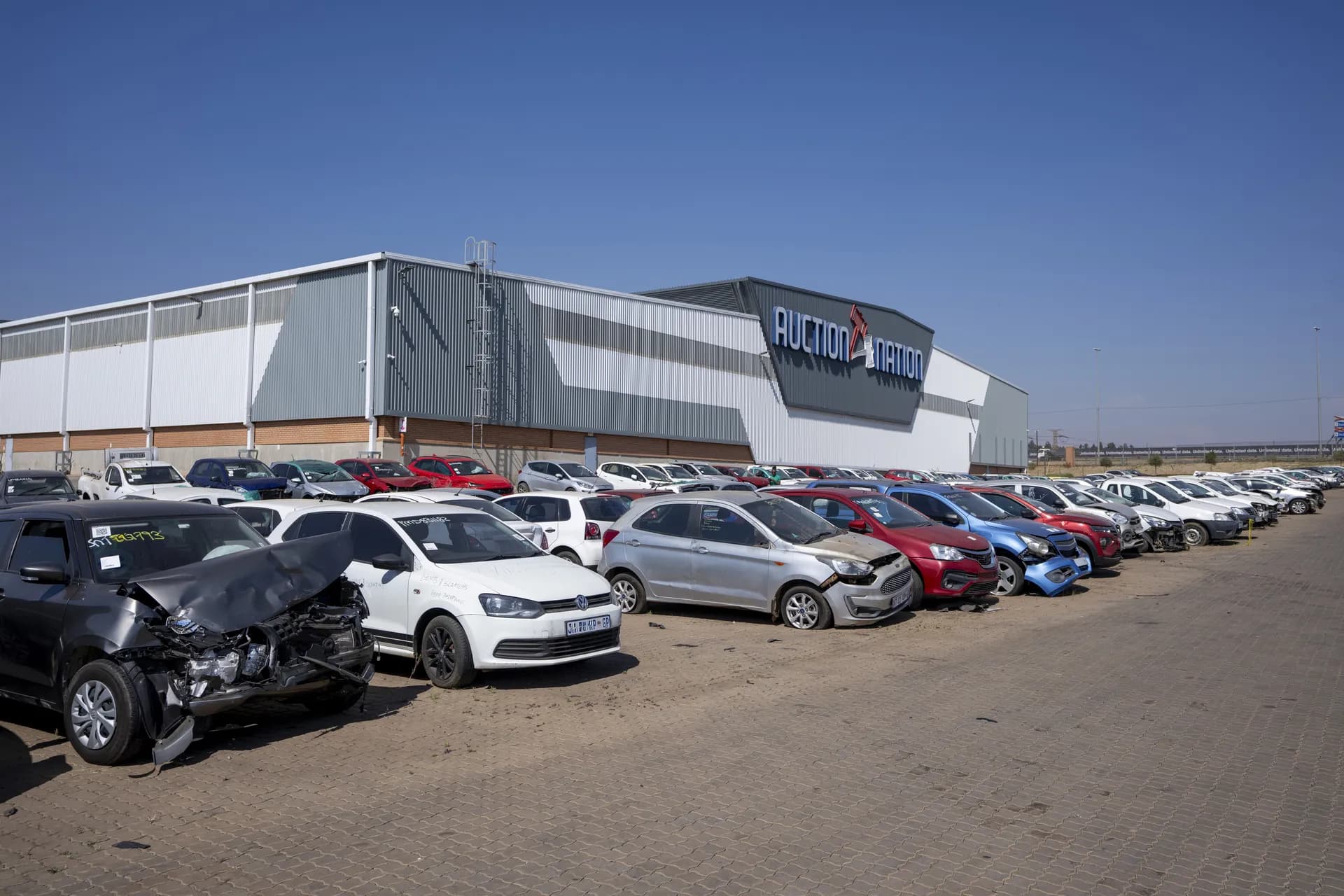
A Division of Auction Nation, the leading expert in selling damaged cars

Best price for your damaged car

Get a cash offer within 24h

We buy damaged cars in any condition

We buy accident- damaged cars still under finance

Free, no obligation offer on your vehicle
How We Calculate Your Damaged Car’s Value
Wondering how we calculate your car’s value? At Sell Your Damaged Car, we look at: Your car’s real condition, its salvage value, and the current market demand. It’s all about honesty, transparency, and fairness — that’s how we determine your offer.
Frequently Asked Questions
Get answers to common questions about Selling Guides
Why Choose Sell Your Damaged Car?
Free Towing
Need a tow? We got you
Hassle Free
Get a cash offer within 24h!
Nationwide
Somewhere remote? No problem!
