
Selling a Code 3 Car: Dealer vs Private Buyer - What South African Owners Should Know
Compare selling a Code 3 (written-off) car to a dealer or privately in South Africa. Learn about paperwork, repair vs sell decisions, and tips to get a fair cash offer.
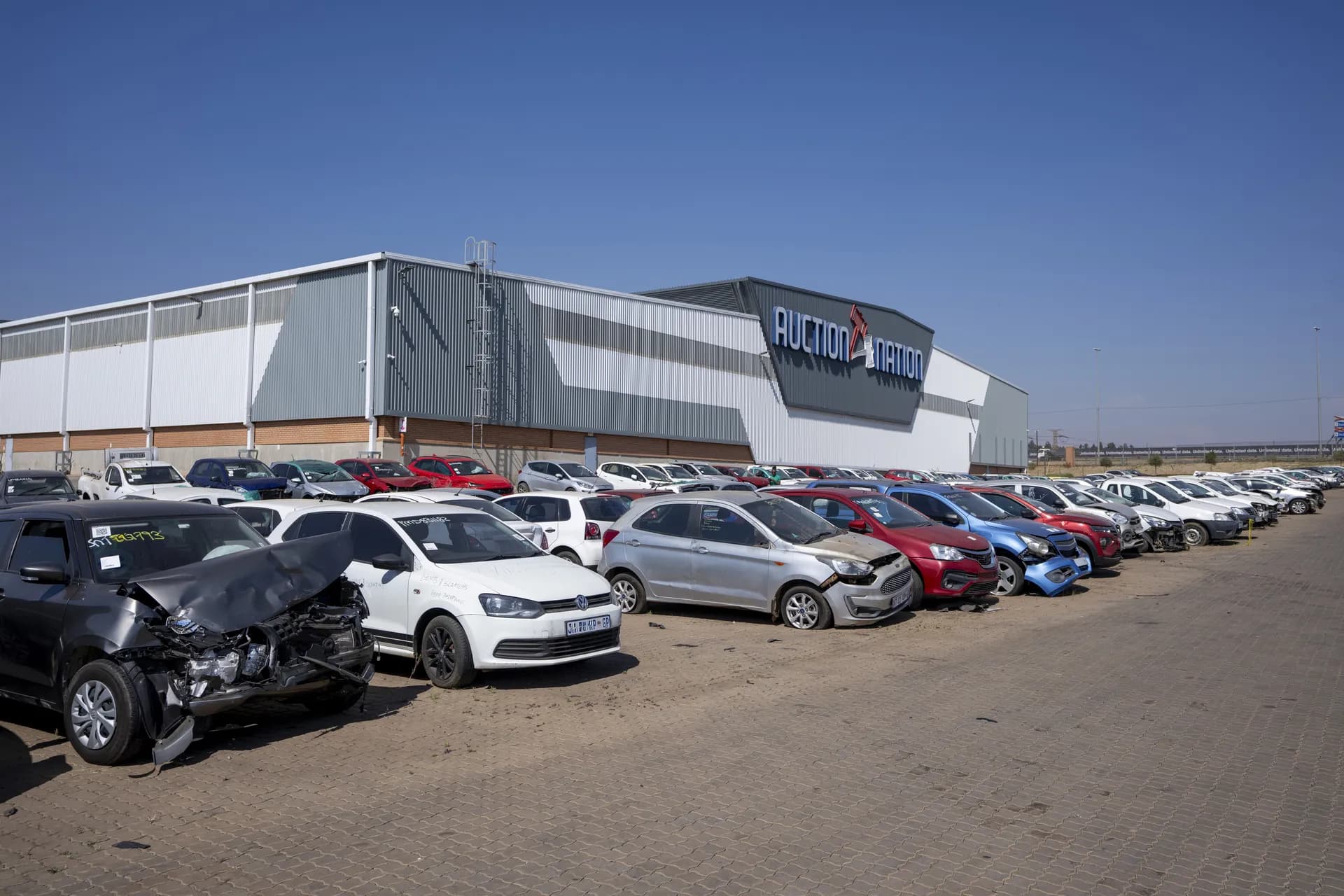
Dealer vs Private Trade-offs
Dealers offer speed and admin help; private sales may yield higher gross prices but require effort.
South Africa Paperwork
Transfer, deregistration and finance clearance matter; get documents ready to speed sale.
Maximise Your Offer
Provide clear photos, full disclosure and compare offers that include towing and admin.
Overview: What selling a Code 3 car means in South Africa
If your vehicle is classed as Code 3 by an insurer or salvage assessor, it usually indicates significant damage or a write-off status. Definitions and consequences can vary between insurers and assessors, so start by confirming the classification on your insurance documentation. Many owners deciding whether to repair, sell to a dealer or sell privately face common trade-offs: time, paperwork complexity, transport, and the final cash received.
This guide compares selling a Code 3 car to a dealer versus selling privately, explains the steps for each route, and highlights South Africa-specific requirements such as deregistration, transfer of ownership and free-collection options available from specialist buyers.
When to sell vs repair
Deciding to repair a Code 3 car or sell it depends on repair cost, remaining market value and your tolerance for risk. Repairing may make sense if certified repairs will restore legal roadworthiness at a cost materially lower than the vehicle’s post-repair market value. Selling is often faster and lower risk where repair estimates approach or exceed realistic resale value.
- Repair if certified repairs cost less than the projected resale value and you intend to keep the vehicle.
- Sell if repair costs are high, if the vehicle is non-running, or if you want to avoid repair timelines and compliance checks.
Repair cost vs value retained (estimates)
| Repair scenario | Typical repair cost (R, estimate) | Value retained after repair (estimate) |
|---|---|---|
| Minor structural & panel work | R5,000 - R25,000 | 75% - 90% of pre-damage value |
| Major structural / engine work | R25,000 - R120,000+ | 30% - 70% of pre-damage value |
| Total loss / write-off | Often exceeds vehicle value | Low to nil resale value unless sold for salvage |
Estimates above are illustrative and will vary by make, model, age and regional labour/parts costs in South Africa. For many Code 3 vehicles, selling to a specialist buyer or dealer that handles salvage is the quicker, lower-administration option.
Note: If you want a quick online valuation or to see how a specialist handles collection and paperwork, see our homepage Sell Your Damaged Car for an example of a streamlined process.
How selling to a dealer differs from selling privately
Below are the practical differences most South African owners find important when choosing between a dealer (including specialist salvage/dealers) and a private buyer.
- Speed: Dealers and specialist buyers typically move faster, often offering same-day quotes and arranging towing.
- Paperwork: Dealers frequently handle transfer, deregistration advice and other admin; private sales often leave more admin to the seller.
- Price transparency: Private buyers may pay more gross, but net value can be lower after towing, safety checks and the time cost of marketing the vehicle.
- Risk: Selling privately involves meeting buyers and negotiating; dealers offer a lower-touch, more secure sale experience.
Damage types vs typical offer impact
| Damage type | Typical impact on offers |
|---|---|
| Cosmetic panel damage | Small to moderate reduction; repairable at reasonable cost |
| Structural/frame damage | Significant reduction; many private buyers avoid mechanical/structural risk |
| Engine/transmission failure | Major impact; often sold for parts or to specialist buyers |
| Flood or fire damage | Very large reduction; many buyers decline entirely |
If you prefer a low-administration sale, specialist dealers that accept Code 3 vehicles can provide free towing and handle deregistration. For details on selling damaged or non-running cars to buyers that manage those steps, see our Sell Damaged Cars page Sell Damaged Cars.
Step-by-step: selling to a dealer vs selling privately
Selling to a dealer (or salvage buyer): submit vehicle details and photos, get an offer, accept and arrange collection. Dealers often provide free towing, handle most paperwork and make payment quickly. Selling privately: list the car, manage enquiries, arrange viewings/inspections, and handle transfer-of-ownership paperwork and collection logistics yourself.
How the process works when using a specialist buyer
- Submit make, model, year, photos and damage description online.
- Receive an obligation-free cash estimate based on condition and salvage market demand.
- Accept the offer; the buyer schedules free towing and completes paperwork (including advice on deregistration and transfer).
- After collection and paperwork verification, payment is released promptly.
For a practical example of a buyer-managed process and how quick valuation works, review our explanation on how the service operates: About / How it works.
Legal & paperwork in South Africa
Transfer of ownership and deregistration have specific steps in South Africa. Sellers must provide a completed change-of-ownership form, ID, and proof of residence. If the vehicle is still under finance, you must settle or arrange consent with the finance house before transfer. Dealers who specialise in salvage often assist with these steps, saving time and reducing errors.
Tips to maximise your offer
- Be accurate and complete with photos: multiple angles, close-ups of damage, engine bay and odometer.
- Have service history and ownership documents ready to show provenance.
- Disclose finance and insurance write-off details up front; transparency avoids delays.
- Compare offers: dealers may bid lower but include towing and paperwork, while private buyers may offer more gross but expect you to handle logistics.
If your car is a non-runner, selling through channels that collect vehicles removes towing hassle. For owners of non-running cars, review our Sell Non-Running Car page to see how that sale path differs Sell Non-Running Car.
What happens after collection
After a dealer or specialist collects the Code 3 vehicle, they typically finalise transfer documentation and may assist with deregistration where appropriate. Payment timing varies by buyer but specialist services often arrange verified payment promptly once paperwork is complete. Keep copies of all transfer documents and proof of payment for your records.
Practical South Africa scenario
Example: In Johannesburg a Code 3 sedan that is non-running and assessed as a write-off might attract several dealer offers that include free towing but pay less than a private buyer who intends to repair and resell. The private route can take weeks and requires you to arrange safe transport; the dealer route may close in days with paperwork assistance and near-instant payment after collection. Choose based on your priorities: speed and administrative support versus potential higher gross sale price but higher effort.
Sources
- South African Government - official portal on vehicle ownership and registration
- AAA South Africa - consumer guidance on buying and selling vehicles
- Autotrader South Africa - market listings and price guidance for used vehicles
Final note
Selling a Code 3 car in South Africa requires balancing speed, paperwork burden and net value. For many owners, dealers or specialist buyers who handle free towing, deregistration assistance and provide a transparent cash offer represent the simplest path; others will accept the effort of a private sale for potential higher proceeds. Compare options, verify buyer credentials, and keep written records of any agreement.
Seasoned automotive specialists dedicated to helping you turn your damaged or non-running vehicle into cash fast and hassle-free.
Disclaimer: This content is for educational purposes only. Product availability, pricing, and specifications are subject to change. Always verify current details on the retailer's website before making a purchase. We may earn affiliate commissions from qualifying purchases.
Why sell your damaged car to us?

A Division of Auction Nation, the leading expert in selling damaged cars

Best price for your damaged car

Get a cash offer within 24h

We buy damaged cars in any condition

We buy accident- damaged cars still under finance

Free, no obligation offer on your vehicle
How We Calculate Your Damaged Car’s Value
Wondering how we calculate your car’s value? At Sell Your Damaged Car, we look at: Your car’s real condition, its salvage value, and the current market demand. It’s all about honesty, transparency, and fairness — that’s how we determine your offer.
Frequently Asked Questions
Get answers to common questions about Selling Guides
Why Choose Sell Your Damaged Car?
Free Towing
Need a tow? We got you
Hassle Free
Get a cash offer within 24h!
Nationwide
Somewhere remote? No problem!
