
Selling Accident Vehicles Privately vs to a Dealer in South Africa: What to Consider
Compare private sale and dealer routes for accident-damaged vehicles in South Africa. Learn costs, paperwork, pros/cons and practical tips for faster, safer sales.
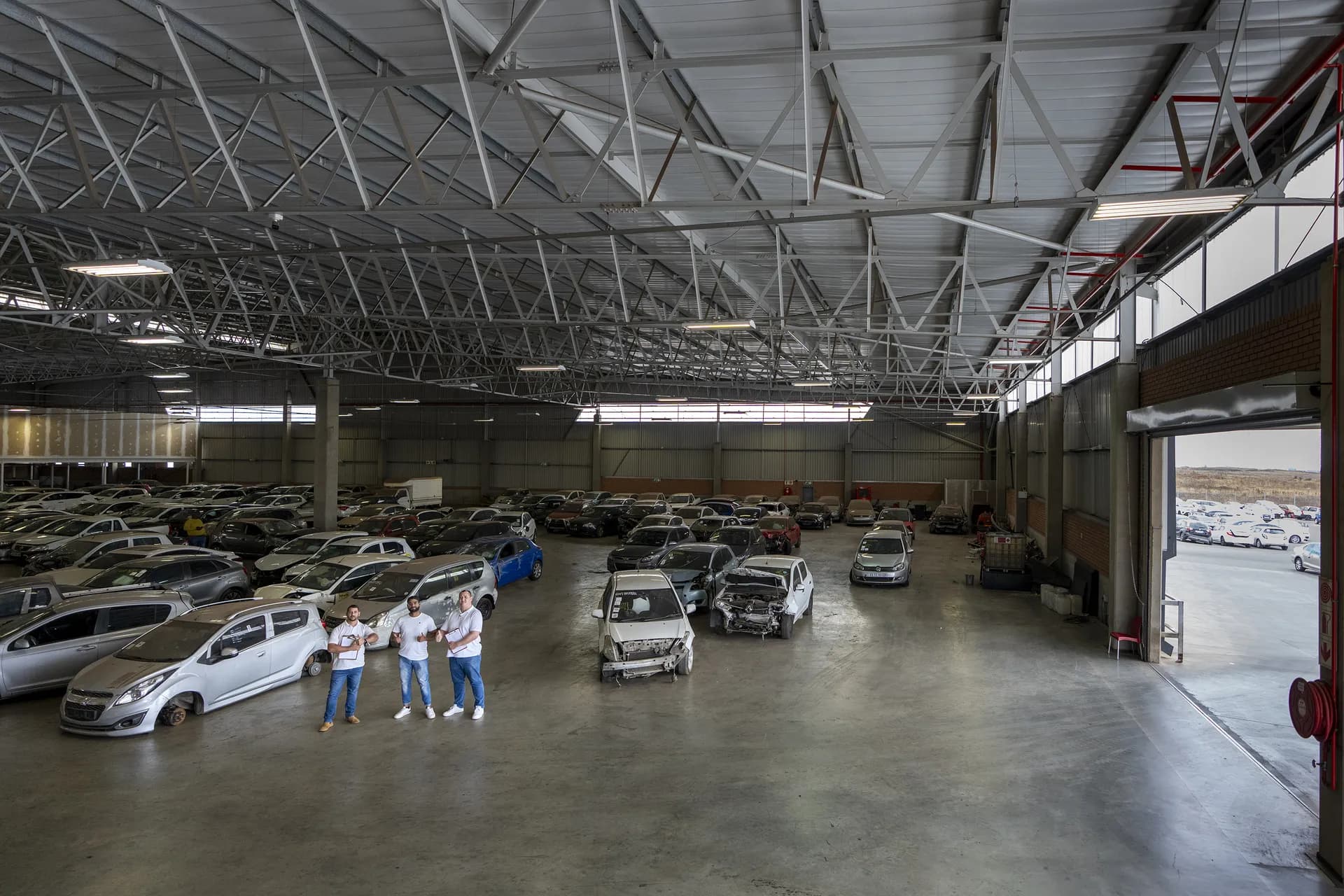
Private Sale Pros & Cons
Potential for higher price but more time, risk and logistics.
Dealer/Specialist Benefits
Free towing, paperwork handled and faster payment.
Key Legal Steps
Ensure transfer, finance settlement and keep signed paperwork.
Overview
If your vehicle has been in an accident, you face a choice: list it on the private market or sell directly to a dealer or specialist buyer. The right option depends on the car's condition, how much time you can invest, your tolerance for risk, and whether you need fast access to cash. This guide looks specifically at South Africa’s market dynamics, paperwork and typical outcomes for accident vehicles, helping owners in Johannesburg, Cape Town, Durban and other regions decide.
Why the choice matters for accident vehicles
Accident-damaged vehicles often carry hidden repair costs, salvage history and logistics challenges. Private buyers may be willing to pay more for cars that can be repaired and resold, but finding a trustworthy buyer, arranging transport and managing legal transfer can be time-consuming. Dealers and specialist buyers handle towing, paperwork and deregistration, and offer faster payment - important if the vehicle is non-running or has been declared a write-off by an insurer.
Quick comparison at a glance
- Private sale: potential for a higher sale price but greater effort, risk and time investment.
- Dealer/specialist: lower transaction friction, free towing and paperwork handling, quick payment.
- For severely damaged or non-running cars, dealer options and specialist buyers are often the most practical route.
When to sell vs repair
Deciding whether to repair before selling is a key step. Repairs may increase appeal to private buyers, but not always enough to cover outlay. Consider repair cost, vehicle market value before and after repair, and how long you’re willing to wait for a sale.
Repair cost vs value retained (estimates, South Africa)
| Repair type | Typical repair range (R, est.) | Estimated value retained after repair |
|---|---|---|
| Minor panel & paint | R3,000 - R12,000 | Small uplift (10-20%) |
| Structural/frame repairs | R15,000 - R60,000+ | Variable; may not recoup full cost |
| Major mechanical works | R10,000 - R50,000+ | Depends on vehicle demand |
Figures above are rough South Africa estimates for guidance only. In many cases, if repair cost exceeds a significant portion of the car’s pre-accident market value, selling as-is to a dealer or specialist buyer is the more economical choice.
Practical examples
A private seller with time, a mechanically repairable vehicle and access to a trusted buyer network may recover more by repairing first. Conversely, owners of written-off, flood-damaged or non-running vehicles often find dealer or specialist offers better when logistics and paperwork are considered.
How the process works: private sale vs dealer
Below are typical steps for each route and where hidden costs or delays commonly appear.
Selling privately
- Prepare the vehicle listing: photos, accident disclosure and repair receipts.
- Advertise on classified sites and social media; manage enquiries and viewings.
- Negotiate price, arrange transport if buyer is remote, complete transfer paperwork at a licensing office.
- Risks: time on market, low-ball offers, buyer due-diligence, and arranging towing for non-running cars.
If you want a simpler route but still want to understand dealer options, read how the online valuation and collection process works on our About / How it works page.
Selling to a dealer or specialist buyer
- Submit vehicle details and photos to the buyer’s online form.
- Receive a quote based on damage, market demand and salvage value.
- Accept the offer, dealer arranges towing and handles transfer/deregistration.
- Benefits: free towing, minimal paperwork for you, and fast payment after collection.
Specialist buyers who focus on damaged vehicles maintain salvage channels and can close sales quickly - particularly helpful for non-running cars. For details on selling non-running vehicles, see our Sell Non-Running Car resource.
Note: Dealers may offer lower headline prices than successful private sales, but factoring in towing costs, time and legal hassles often narrows the gap for accident vehicles.
Legal & paperwork in South Africa
Legal transfer and deregistration are important when selling an accident vehicle. In South Africa the seller must ensure the owner details are correctly transferred at an authorised licensing office or via an agent. If a vehicle is under finance, inform the financier - the debt must usually be settled or transferred as part of the sale. Specialist buyers frequently assist with settlement checks and deregistration to reduce risk for sellers.
Common paperwork items
- Clear copy of ID and proof of address for the registered owner.
- Vehicle registration certificate (disc) and valid licence documentation where applicable.
- FNB/Banking details for payment and proof of settlement of any finance where required.
- Signed transfer forms completed at an RTMC-authorised office or via the buyer’s agent.
Damage types vs typical offer impact (illustrative)
| Damage type | Typical effect on offers | Seller considerations |
|---|---|---|
| Cosmetic (bumper, panel, paint) | Lower impact; easier to sell privately | Repair may increase private-sale appeal |
| Structural/frame | Significant reduction in market options | Dealer/specialist route often more practical |
| Mechanical failure/non-running | Deters private buyers unless priced for repair | Specialist buyers can arrange towing and offer immediate sale |
Tips to maximise your offer
- Be transparent about accident history and provide photos and repair invoices where possible.
- Get multiple valuations: a private estimate, a dealer quote and a specialist buyer quote to compare.
- Consider what you save on towing and paperwork - factor those savings into the net value of dealer offers.
- If you keep the car listed privately, target buyers who specialise in repairs or parts; they value different things than retail buyers.
For an example of a streamlined dealer/specialist process that covers towing, paperwork and fast payment, review our Sell Damaged Cars page to see how offers and collections are arranged nationwide.
What happens after collection
After a dealer or specialist collects the vehicle, they usually complete transfer paperwork and verify payment details. Payment is generally released soon after collection and verification. If the buyer plans to sell to the salvage market or repair and resell, they will handle those downstream steps - relieving the seller of additional logistics and risk.
Post-sale checklist for sellers
- Keep copies of signed transfer documents and proof of payment.
- Confirm deregistration or transfer with the licensing authority if the buyer does not complete it immediately.
- If the vehicle was under finance, confirm settlement with your financier in writing.
Final considerations
For many South African owners of accident vehicles, selling to a dealer or specialist buyer reduces hassle, removes transport headaches and speeds payment - important where vehicles are non-running or written off. Private sales can deliver higher gross prices in selective cases, but sellers must weigh time, risk and extra costs. Use multiple quotes, check references and prioritise buyers who handle towing and paperwork to reduce post-sale issues.
Further reading and resources
- Read more about our nationwide process on the homepage.
- For details on selling non-running vehicles, see Sell Non-Running Car.
- To understand the damaged-vehicle valuation process, visit About / How it works.
Sources
- Road Traffic Management Corporation (RTMC) - vehicle licensing and transfer information
- Automobile Association (AA) South Africa - guidance on selling and buying used vehicles
- Sell Your Damaged Car - About / How it works
Note: cost ranges and impacts quoted in this guide are estimates for the South African market and should be used for planning only. Actual offers depend on vehicle make, model, condition, region and current salvage demand.
Seasoned automotive specialists dedicated to helping you turn your damaged or non-running vehicle into cash fast and hassle-free.
Disclaimer: This content is for educational purposes only. Product availability, pricing, and specifications are subject to change. Always verify current details on the retailer's website before making a purchase. We may earn affiliate commissions from qualifying purchases.
Why sell your damaged car to us?

A Division of Auction Nation, the leading expert in selling damaged cars

Best price for your damaged car

Get a cash offer within 24h

We buy damaged cars in any condition

We buy accident- damaged cars still under finance

Free, no obligation offer on your vehicle
How We Calculate Your Damaged Car’s Value
Wondering how we calculate your car’s value? At Sell Your Damaged Car, we look at: Your car’s real condition, its salvage value, and the current market demand. It’s all about honesty, transparency, and fairness — that’s how we determine your offer.
Frequently Asked Questions
Get answers to common questions about Comparison And Alternatives
Why Choose Sell Your Damaged Car?
Free Towing
Need a tow? We got you
Hassle Free
Get a cash offer within 24h!
Nationwide
Somewhere remote? No problem!
