
Selling an Accident Car in South Africa: Common Questions Answered
Answers to common questions about selling accident-damaged cars in South Africa: repair vs sell, paperwork, finance issues, towing and what to expect.
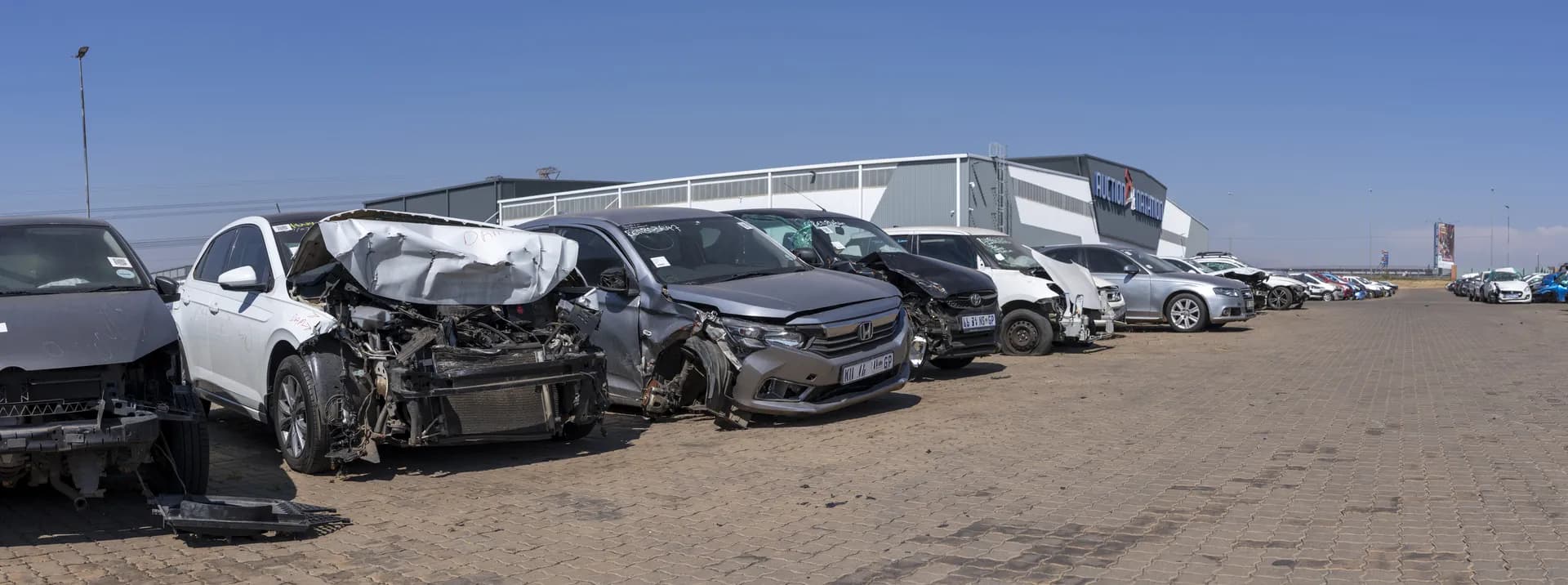
Decide Repair or Sell
Compare repair cost vs vehicle value and downtime before deciding.
Paperwork Matters
Disclose finance, provide ownership documents, and confirm deregistration steps.
Specialist Buyers Help
They often provide free towing, handle admin and simplify the sale nationwide.
Overview: selling an accident car in South Africa - key questions
If your vehicle has been in an accident, you probably have many questions: Is it worth repairing? How does a written-off status affect the sale? What paperwork is needed in South Africa? This guide addresses the most common questions about selling an accident car in South Africa and explains the practical steps, costs to expect and legal considerations specific to SA.
Who this guide is for
Private owners and small-fleet managers in Johannesburg, Cape Town, Durban and surrounding areas who are thinking about selling an accident-damaged, non-running or written-off vehicle and want clear, SA-specific answers.
Quick reality check
Selling an accident car in South Africa often makes sense when repair estimates approach or exceed the vehicle's market value, when downtime is costly, or when the vehicle is non-running. A specialist buyer can simplify collection, paperwork and payout.
When to sell vs repair
Deciding whether to repair or sell depends on the repair cost, remaining market value after repair, insurance outcomes and personal circumstances. Below is a simple comparison to help decide.
| Situation | Likely recommendation | Example |
|---|---|---|
| Minor cosmetic damage, mechanically sound | Repair or sell privately for higher resale | Front bumper repair R2,500 vs value retained R8,000+ |
| Structural/frame or flood damage | Often sell to specialist buyers or insurers | Flood-affected cars have significant market stigma |
| Non-running, major mechanical failure | Sell as-is to salvage buyer; towing helpful | Engine failure: repair R40,000+, resale impact large |
Damage types vs typical offer impact
| Damage type | Typical effect on offers |
|---|---|
| Cosmetic (bumper, lights) | Moderate reduction; repairable |
| Structural/frame | Significant reduction; major safety concern |
| Water/flood | Strongly negative; electrical risks |
| Fire | Severe reduction; salvage only in most cases |
For more detail on selling non-running vehicles see Sell Non-Running Car and for accident-specific options visit Sell Damaged Cars.
How specialist buyers assess accident cars
A specialist buyer evaluates: the extent of visible damage, structural concerns, the car's make/model/year/mileage, salvage market demand for parts, and whether the vehicle is under finance. The online valuation usually starts from photos and details, followed by a final inspection or remote verification.
If your car is still insured and an insurer has declared it a write-off, clarify whether the insurer retains salvage rights. In many cases, selling directly to a salvage buyer is still possible if rights are clear.
How the process works for sellers in South Africa
Typical steps when selling an accident vehicle through a specialist service: upload vehicle details and photos, receive an indicative offer, accept the offer, complete paperwork and arrange collection. Many services provide free towing nationwide and handle deregistration and transfer documentation on your behalf.
Example timeline and responsibilities
- Submit: Photos, VIN/chassis number, description and ownership details.
- Offer: Receive a transparent, obligation-free indicative offer based on condition and market factors.
- Collection: Agreed pickup - many buyers include free towing nationwide, including Johannesburg, Cape Town and Durban.
- Paperwork & payment: Buyer assists with deregistration/transfer and releases payment after collection and verification.
For a clear explanation of our approach and what we handle, review the steps on our about page: About / How it works.
Legal & paperwork considerations in SA
Key legal points when selling an accident car in South Africa:
- Title and ownership: Only the registered owner (or someone authorised by the financier) can transfer the vehicle.
- Vehicles under finance: If there is outstanding finance, the lender must be informed. Sale usually proceeds with their consent or settlement - specialist buyers can assist with this admin.
- Deregistration/transfer: The seller must complete the required forms and a buyer should confirm completion. Specialist buyers often handle deregistration paperwork on your behalf.
Tips to maximise your offer (practical, SA-focused)
- Be honest and detailed: Clear photos (multiple angles), accurate descriptions of damage, and a full service history where available improve offer accuracy.
- Disclose finance: Tell buyers if the vehicle is under finance; hiding it delays or invalidates the sale.
- Compare offers: Get multiple indicative offers and check what each includes (towing, admin, deregistration).
- Check buyer credentials: Confirm the buyer’s process for paperwork, payment timing and who handles deregistration in South Africa.
What happens after collection
After the vehicle is collected, the buyer typically finalises inspection, handles deregistration and transfers any agreed payment. Expect a short verification window; many specialist buyers release payment quickly after collection and verification.
If you want more details about selling damaged vehicles or specific non-running cases, see our pages on Sell Damaged Cars and our homepage for the full process explanation.
Practical South Africa scenarios (examples)
Example 1: Johannesburg - structural damage. A 2012 sedan with front-end frame damage and no roadworthiness can be expensive to repair; selling to a specialist avoids storage and towing hassles and may be preferable to lengthy repair timelines.
Example 2: Coastal flood risk (Durban/Cape Town). Water-damaged engines and electronics diminish resale value significantly; full disclosure is essential for legal and safety reasons.
Sources
- South African Government - Official information on vehicle registration and transfer (GOV.ZA)?utm_source=straider&utm_medium=referral&utm_campaign=prebo-digital
- National Credit Regulator - Guidance on vehicles under finance and consumer rights?utm_source=straider&utm_medium=referral&utm_campaign=prebo-digital
- South African Police Service - Advice on accident reporting and claims?utm_source=straider&utm_medium=referral&utm_campaign=prebo-digital
Seasoned automotive specialists dedicated to helping you turn your damaged or non-running vehicle into cash fast and hassle-free.
Disclaimer: This content is for educational purposes only. Product availability, pricing, and specifications are subject to change. Always verify current details on the retailer's website before making a purchase. We may earn affiliate commissions from qualifying purchases.
Why sell your damaged car to us?

A Division of Auction Nation, the leading expert in selling damaged cars

Best price for your damaged car

Get a cash offer within 24h

We buy damaged cars in any condition

We buy accident- damaged cars still under finance

Free, no obligation offer on your vehicle
How We Calculate Your Damaged Car’s Value
Wondering how we calculate your car’s value? At Sell Your Damaged Car, we look at: Your car’s real condition, its salvage value, and the current market demand. It’s all about honesty, transparency, and fairness — that’s how we determine your offer.
Frequently Asked Questions
Get answers to common questions about Selling Guides
Why Choose Sell Your Damaged Car?
Free Towing
Need a tow? We got you
Hassle Free
Get a cash offer within 24h!
Nationwide
Somewhere remote? No problem!
