
Selling a Salvage Bakkie: Practical Tips for South African Owners
Step-by-step advice for selling a salvage bakkie in South Africa - how to document damage, compare offers, manage paperwork, and speed up collection.
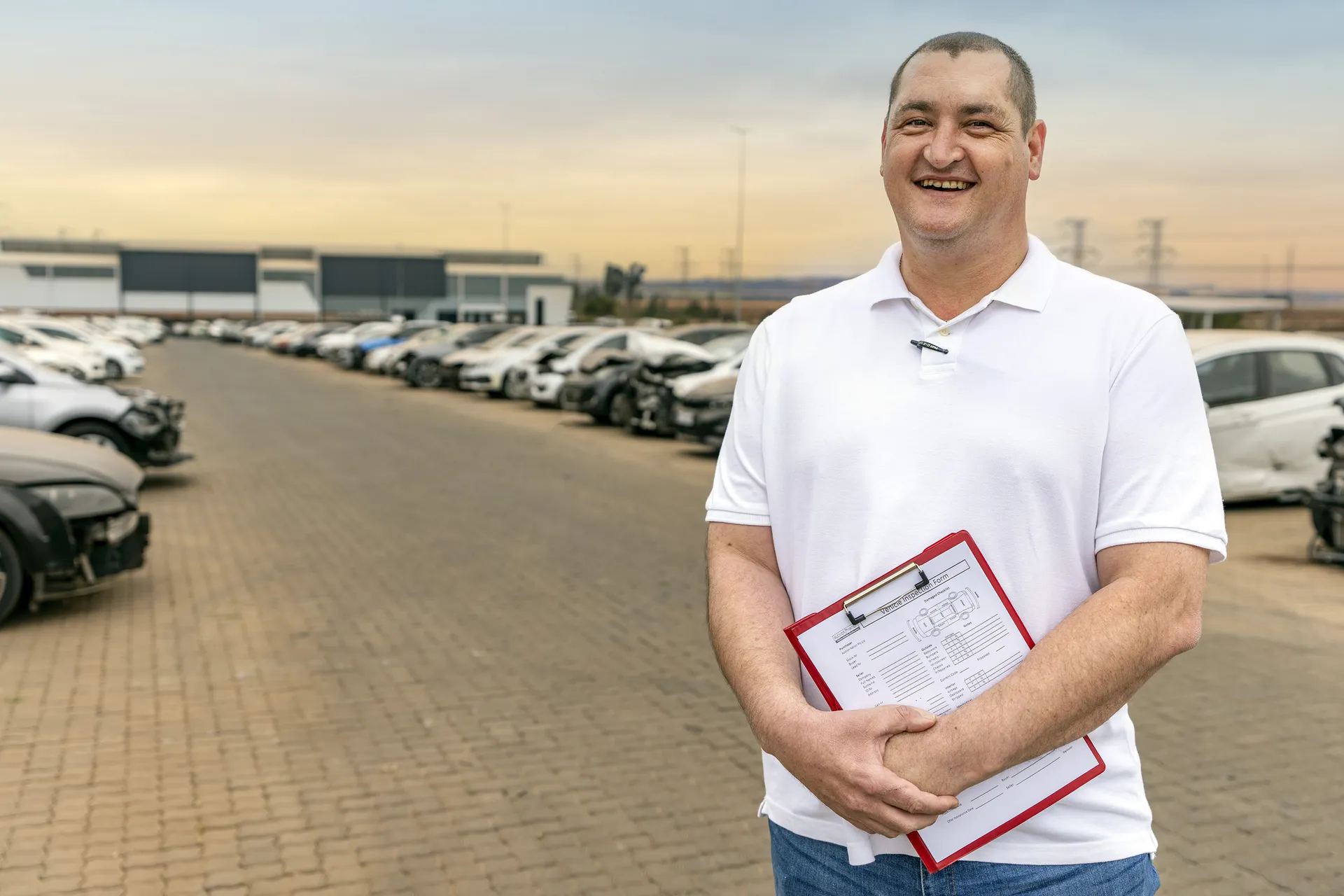
Document Damage Thoroughly
Clear photos, VIN, and service history increase buyer confidence and offers.
Compare Offers Carefully
Look beyond price: check towing, paperwork handling and payment timing.
Know Legal & Finance Status
Confirm finance, registration and deregistration responsibilities before sale.
Overview: selling a salvage bakkie - what to expect
If your bakkie has been written off, flood- or fire-damaged, or is non-running after an accident, selling it as salvage can be the quickest way to recover value and avoid ongoing costs. This guide focuses on selling a salvage bakkie in South Africa and gives practical, experience-based tips on preparing the vehicle, documenting damage and navigating the local market.
When to sell a salvage bakkie vs attempt repairs
Deciding whether to repair or sell depends on repair estimates, the bakkie’s pre-accident market value and how soon you need the vehicle off your property. As a rule of thumb: if repair costs are a large percentage of the pre-accident value, or if the vehicle is under finance and the insurer has written it off, selling salvage is often the lower-risk, lower-cost option.
Practical note: storage and further deterioration reduce resale value. If you decide to sell, begin the process within weeks rather than months.
Repair cost vs value retained (illustrative)
| Scenario | Typical repair estimate (R) | Approx. value retained after repair (%) |
|---|---|---|
| Minor panel damage & replace bumper | R8,000 - R20,000 | 85-95% |
| Moderate structural + airbag work | R40,000 - R120,000 | 50-75% |
| Severe write-off (frame, engine, flood) | R120,000+ | 20-50% |
These ranges are illustrative for South African market conditions and will vary by bakkie model, age and parts availability. When repair estimates approach or exceed the retained value, selling salvage is usually preferable.
Damage types vs typical offer impact
| Damage type | Typical effect on offers |
|---|---|
| Superficial panel / bumper damage | Small reduction; parts readily available |
| Structural/frame damage | Significant reduction; limits resale for repairers |
| Engine or drivetrain damage | Large reduction; potential parts demand |
| Flood or fire damage | Major reduction; depends on salvageable components |
Understanding how each damage type affects offers helps you set realistic expectations before requesting valuations. For more detail on selling non-running vehicles, see our Sell Non-Running Car guidance.
Documenting your salvage bakkie correctly
- Photograph key angles: front, rear, both sides, engine bay, interior and close-ups of damaged areas.
- Record the VIN/chassis number, registration details and odometer reading in photos and text.
- Keep repair estimates, insurer communications and any police or accident reports ready.
- Note any parts that remain in good condition (e.g., canopy, towbar, alloy wheels) - these can improve offers.
For a quick overview of the company process and what to expect when selling a damaged vehicle, our About / How it works page explains common steps used by professional buyers in South Africa.
How the selling process typically works in South Africa
Professional salvage buyers follow clear steps: you submit vehicle details and photos, receive an indicative cash offer based on condition and market demand, accept if suitable, and the buyer completes paperwork, arranges towing and pays you. For salvage bakkies this process reduces logistical headaches - especially when free towing and admin are included.
Legal & paperwork notes for sellers in South Africa
Key items to check before you sell: the vehicle title (registration document), any outstanding finance, a valid ID or representative documents for businesses, and police or insurer records if applicable. If the bakkie is financed, inform the finance provider - settlements or transfer arrangements must be made. Buyers that offer to handle deregistration and paperwork can simplify the process but always verify their procedures and payment timing.
Tips to maximise your salvage offer
- Present clear, timestamped photos and accurate descriptions - honest listings build trust and avoid offer rejections.
- Keep easily removable high-value parts with the vehicle for sale (e.g., stereo, good-condition tyres) and note them in your listing.
- Provide service records and evidence of recent parts replacements - buyers value documented maintenance history.
- Be upfront about finance: many buyers will handle settlements but need clear authorisation from you or the lender.
- Get multiple offers where possible and compare inclusions such as free towing, who pays outstanding fines, and how quickly payment is made.
What happens after collection and expected timelines
After you accept an offer, reputable buyers arrange collection (nationwide in South Africa), complete transfer or deregistration paperwork and release payment. Timelines vary but expect collection within days in metropolitan areas like Johannesburg, Cape Town and Durban, and up to a week in remote locations. Payment times also vary - some buyers pay on collection, others release funds within 1-3 business days after paperwork verification.
Example scenarios (South Africa-focused)
- Johannesburg farm owner with a flood-damaged bakkie: quick sale avoids storage costs and the vehicle is collected by a buyer who specialises in salvage parts.
- Cape Town business fleet manager with a written-off bakkie under finance: buyer facilitates settlement with the lender and handles transfer, reducing admin for the fleet manager.
If you want a fast route tailored to non-running vehicles, our Sell Damaged Cars page explains typical inclusions buyers offer. For merchants or owners who want a detailed walkthrough of valuation and collection steps, the homepage contains further practical information about nationwide collection and paperwork handling.
Final checklist before you list
- Photos (multiple angles) and VIN visible in pictures.
- Clear notes on damage, odometer reading and recent service history.
- Confirm finance status and have ID or company documents ready.
- Ask potential buyers about towing, paperwork handling and payment timing before accepting an offer.
Sources
- Automobile Association (AA) South Africa - practical advice on accident procedures and vehicle safety
- South African Department of Transport - registration and deregistration information
- AutoTrader South Africa - market listings and pricing context for bakkies
Notes: monetary examples are indicative and shown in South African rand (R). Market offers depend on condition, location and salvage demand. Always verify buyer credentials and request written terms about towing, paperwork and payment timing before accepting an offer.
Seasoned automotive specialists dedicated to helping you turn your damaged or non-running vehicle into cash fast and hassle-free.
Disclaimer: This content is for educational purposes only. Product availability, pricing, and specifications are subject to change. Always verify current details on the retailer's website before making a purchase. We may earn affiliate commissions from qualifying purchases.
Why sell your damaged car to us?

A Division of Auction Nation, the leading expert in selling damaged cars

Best price for your damaged car

Get a cash offer within 24h

We buy damaged cars in any condition

We buy accident- damaged cars still under finance

Free, no obligation offer on your vehicle
How We Calculate Your Damaged Car’s Value
Wondering how we calculate your car’s value? At Sell Your Damaged Car, we look at: Your car’s real condition, its salvage value, and the current market demand. It’s all about honesty, transparency, and fairness — that’s how we determine your offer.
Frequently Asked Questions
Get answers to common questions about Tips And Advice
Why Choose Sell Your Damaged Car?
Free Towing
Need a tow? We got you
Hassle Free
Get a cash offer within 24h!
Nationwide
Somewhere remote? No problem!
