
Selling a Non-Runner: Dealer vs Private Sale in South Africa
Compare dealer and private options when selling your non-running car. Understand paperwork, payment, and safety to make the best decision in South Africa.
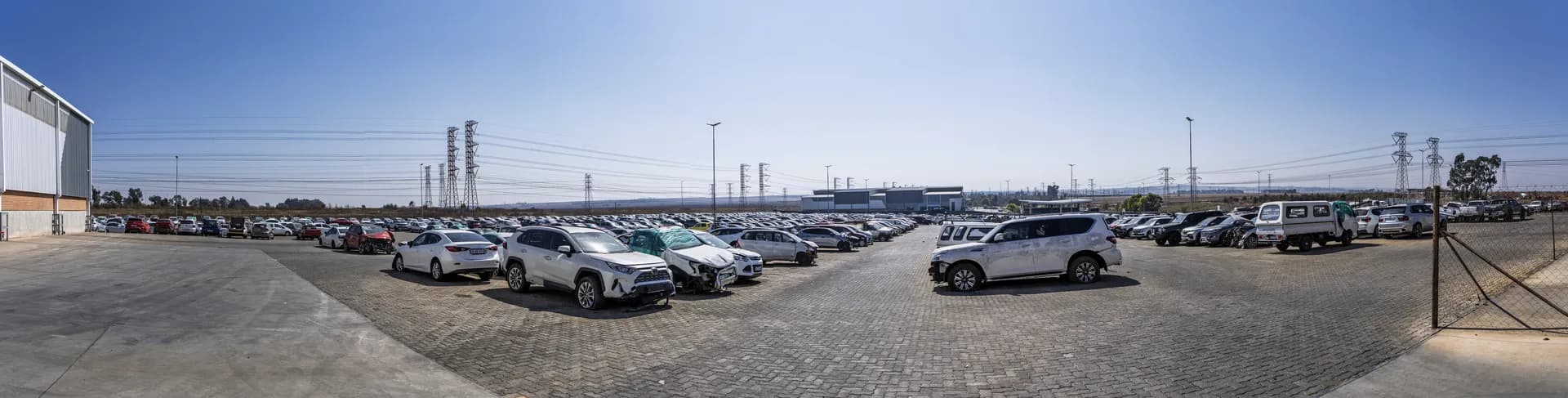
Overview: What Does It Mean to Sell a Non-Runner?
A "non-runner" refers to a vehicle that cannot be driven due to mechanical issues, accident damage or major system failures. South African owners faced with a non-starting car often consider two main routes: selling to a dealer (including specialist car-buying services like Sell Your Damaged Car) or via a private sale. Each has distinct advantages, risks, and implications for time, price, and peace of mind.
Dealer vs Private: The Key Differences
| Aspect | Dealer or Specialist Buyer | Private Sale |
|---|---|---|
| Speed | 1-3 days, often with instant offers | 1-8 weeks (varies by demand) |
| Paperwork | Handled for you | You arrange documents, deregistration, and change of ownership |
| Towing | Usually free | You or buyer must organise (may incur extra cost) |
| Payment | Fast, direct EFT | Private funds, risk of scams |
| Offer Value | Competitive but may be lower than retail | Potentially higher if you find an end-user |
A dealer or trusted specialist removes admin and logistics problems but may provide a slightly lower offer than ideal private sale scenarios-though private sales for non-runners often fall through or take longer than expected.
When Should You Sell a Non-Runner vs Repair?
If repair estimates exceed the market value of your car, or if the cause of the failure is complex (requiring a new engine, gearbox, or electronics), selling tends to be more cost-effective. Compare realistic repair costs against the current non-runner value:
| Scenario | Typical Repair Cost (Estimate, R) | Resale Value After Repair (R) | Non-Runner Value (R) |
|---|---|---|---|
| Engine Replacement | R25,000-R70,000 | R45,000-R80,000 | R18,000-R28,000 |
| Major Accident Damage | R45,000-R120,000 | R65,000-R120,000 | R20,000-R30,000 |
| Gearbox/Electronics Failure | R18,000-R40,000 | R28,000-R50,000 | R11,000-R18,000 |
If repairs cost as much-or more-than the potential resale value, selling to a dealer or specialist is often the lowest-stress, fastest solution. Explore our Sell Non-Running Car guide for detailed steps on evaluating offers.
Types of Buyers: Who Buys Non-Runners Privately?
- Enthusiasts looking for affordable "project cars"
- Independent mechanics or small salvage outfits
- Occasionally, someone needing spares for an identical vehicle
These buyers are limited and may negotiate heavily, request extra time for inspection, or expect the seller to arrange towing.
Navigating South Africa Paperwork and Legalities
Regardless of whether you choose a dealer or a private buyer, South African law requires proof of ownership, a valid ID, and a completed change of ownership (yellow form, NCO) for legal transfer. For non-running vehicles:
- Deregistration may be required if scrapping or selling as salvage - dealers/specialists often handle this entirely.
- If a bank or finance institution still holds title, you'll need settlement paperwork-most dealers can process financed non-runners if arranged upfront.
Private sales require you to complete all documents and sometimes pursue buyers for payment or return of plates. For a complete legal checklist, visit the About Us page.
Tips to Maximise Your Offer (Any Channel)
- Include recent photos of all four corners, interior, odometer, and damage.
- Prepare service history and original keys.
- Be honest about issues-transparency builds trust and prevents offer adjustments on inspection.
- If selling privately, screen all buyers to guard against scams and bounce-back payments.
- Ask about included towing and admin fees upfront.
After Collection: What to Expect Next
With a trusted dealer or car-buying service, paperwork is usually completed at handover, the car is safely towed within days, and payment is verified before collection or immediately after. For private sales, verify the transfer is recorded with the licensing authority (NaTIS) to avoid future liability for traffic fines or licence renewal fees.
Internal Resources for Safe Selling
- Sell Damaged Cars Guide
- How Our Process Works
- Selling Non-Running Cars - Step by Step
- How to Avoid Being Scammed
Sources
Seasoned automotive specialists dedicated to helping you turn your damaged or non-running vehicle into cash fast and hassle-free.
Disclaimer: This content is for educational purposes only. Product availability, pricing, and specifications are subject to change. Always verify current details on the retailer's website before making a purchase. We may earn affiliate commissions from qualifying purchases.
Why sell your damaged car to us?

A Division of Auction Nation, the leading expert in selling damaged cars

Best price for your damaged car

Get a cash offer within 24h

We buy damaged cars in any condition

We buy accident- damaged cars still under finance

Free, no obligation offer on your vehicle
How We Calculate Your Damaged Car’s Value
Wondering how we calculate your car’s value? At Sell Your Damaged Car, we look at: Your car’s real condition, its salvage value, and the current market demand. It’s all about honesty, transparency, and fairness — that’s how we determine your offer.
Frequently Asked Questions
Get answers to common questions about Comparison And Alternatives
Why Choose Sell Your Damaged Car?
Free Towing
Need a tow? We got you
Hassle Free
Get a cash offer within 24h!
Nationwide
Somewhere remote? No problem!
