
Selling a Car with Engine Failure in SA - FAQ and Practical Guide
Answers to common questions on selling a car with engine failure in South Africa: repair vs sell, paperwork, valuation factors, and tips to get a fair, fast sale.
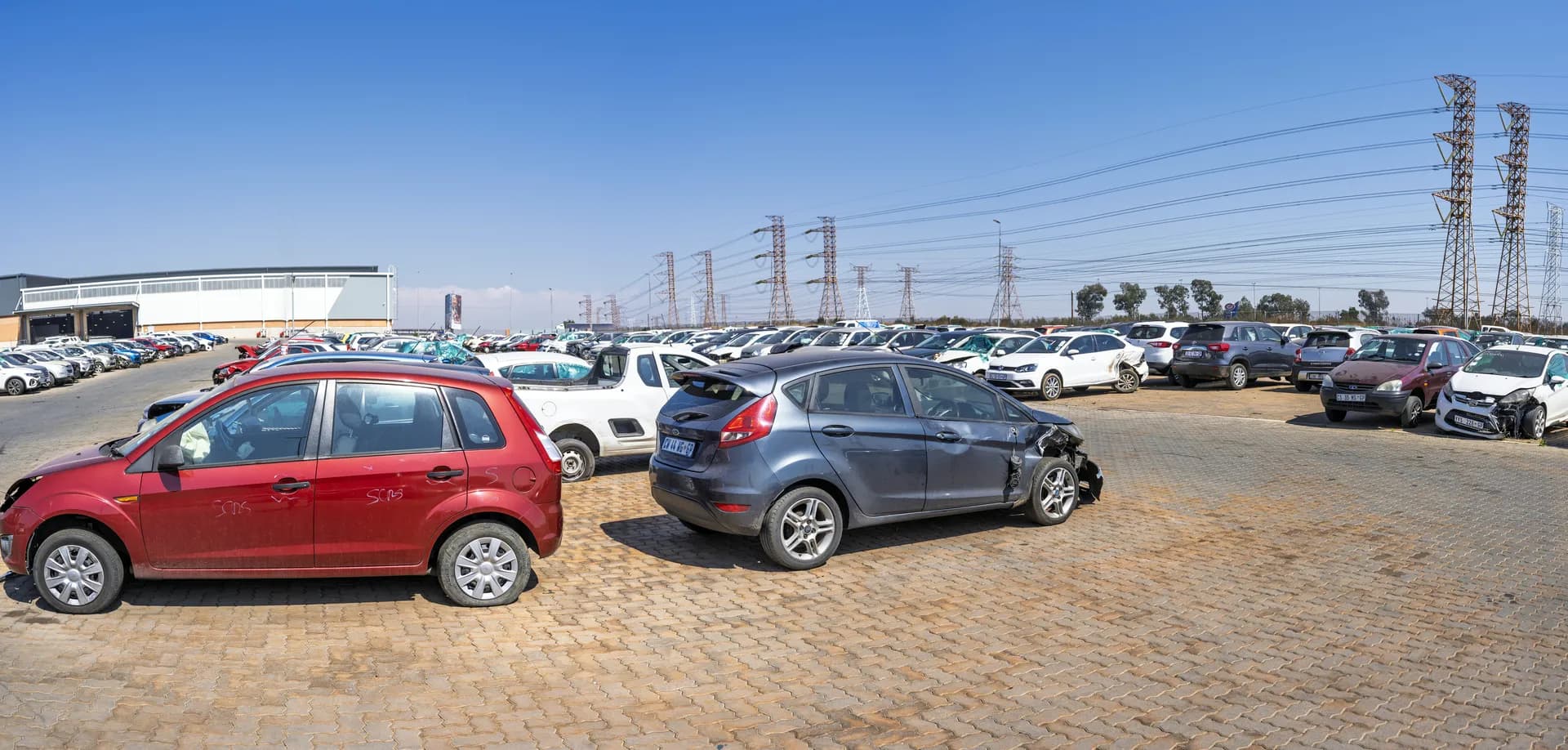
When to Sell vs Repair
If repair costs approach market value, selling as-is is often the smarter option.
Paperwork & Transfer
Ensure correct transfer and finance settlement to remove future liability.
Maximise Your Offer
Provide clear photos, service records and honest condition details.
Overview: Selling a car with engine failure in South Africa
If your vehicle has suffered engine failure and is costly to repair or no longer runs, many owners consider selling as a faster, simpler route. This FAQ-style guide explains the commercial and legal considerations in South Africa, how buyers typically value engine-failed cars, and practical steps to get a competitive cash outcome while avoiding unnecessary delays or admin headaches. The guidance below reflects common market practice in SA and includes links to more detail on our process and services for owners of non-running and damaged cars.
Selling a car with engine failure in SA often means balancing repair estimates, remaining market value, and the cost (time, towing, admin) of pursuing a private sale. For a clear comparison of options, read our explanation of when to sell versus repair in the next section and consult our How We Work overview for a quick picture of the steps involved: About / How it works.
When to sell vs repair
Deciding whether to repair an engine-failed car or sell it as-is depends on three main factors: estimated repair cost, the vehicle's pre-failure market value, and urgency. If repair cost approaches or exceeds a large portion of the car’s market value, selling as-is is usually the pragmatic choice. For a focused service for non-running vehicles, see our Sell Non-Running Car page: Sell Non-Running Car.
Repair cost vs value retained - illustrative table (SA context)
| Scenario | Typical repair cost (estimate) | Likely % value retained after repair |
|---|---|---|
| Minor engine repair (parts & labour) | R5,000-R20,000 (estimate) | 70-90% of pre-failure market value |
| Major overhaul or engine replacement | R20,000-R80,000+ (estimate) | 50-80% (depends on vehicle age & model) |
| Catastrophic failure (seized, internal damage) | Often uneconomical to repair | 30-60% or sold for parts/salvage |
Notes: figures are illustrative estimates in R for South Africa and will vary by make, model, age and labour rates in different metros (Johannesburg, Cape Town, Durban). If repair costs are a large fraction of the car’s market value, selling as-is is usually worth considering.
Key factors buyers consider for engine-failed vehicles
- Extent of engine damage (seized vs repairable)
- Vehicle history, mileage and maintenance records
- Presence of other damage (accident, water/flood exposure)
- Demand for parts or donor vehicles in the local salvage market
Practical tip: Clear, dated photos of the engine bay, service records and any fault codes will improve buyer confidence and help secure a fairer assessment.
How the selling process typically works
A standard route when selling a car with engine failure is: document condition, obtain valuations or offers, agree terms, complete paperwork and arrange collection or delivery. Professional buyers who specialise in non-running or salvage vehicles can often handle towing and admin - see our Sell Damaged Cars page for similar scenarios: Sell Damaged Cars.
Typical steps
- Gather photos and records (engine bay, fault lights, service history).
- Get an appraisal or multiple offers from reputable buyers.
- Agree sale terms including who pays for towing and transfer of ownership.
- Complete required paperwork and arrange collection or handover.
For a streamlined experience, owners often choose buyers who provide free towing and handle deregistration/transfer; this reduces the admin burden and mitigates risks associated with privately listing a non-running vehicle.
Legal & paperwork considerations in South Africa
When selling, ensure the transfer of ownership is recorded correctly to avoid future liability. Common paperwork items include the vehicle registration document (RC or permit), a completed notice of disposal or transfer form, proof of ID for seller and buyer, and a signed sale agreement. If the vehicle is still under finance, inform the financier - settlement or written permission will usually be required before transfer. For more on what buyers typically do and how we manage admin, review our process on the homepage: Sell Your Damaged Car homepage.
Specific SA notes
- Deregistration and transfer: buyers often assist with deregistration and transfer to the purchaser to ensure your name is removed from the vehicle register.
- Vehicles under finance: a clearance or settlement amount from the lender is usually required to finalise transfer.
- Written-off status: if an insurer has declared a vehicle a write-off, full disclosure is required and this affects marketability.
Damage types vs typical offer impact
| Damage Type | How it affects valuation |
|---|---|
| Engine failure only | Often sellable to repairers or for parts; valuation reflects cost to repair or strip. |
| Engine failure + structural damage | Lower offers due to added repair complexity and reduced salvage demand. |
| Flood/water exposure + engine issues | Significantly impacts value; buyers factor in electrical and corrosion risks. |
Tips to maximise your offer
- Document everything: clear photos, dated service records and a short description of the failure improve transparency.
- Be honest about condition: accurate disclosure avoids later disputes and speeds sale completion.
- Compare buyers: ask whether towing, transfer fees and deregistration are included.
- Consider specialised buyers: salvage yards or businesses that buy non-running vehicles often offer faster transactions with fewer logistics for you.
What happens after collection
After you agree sale terms and the buyer collects the vehicle, a proper handover includes a signed receipt and completion of transfer documents. Reputable buyers will confirm deregistration/transfer steps and, if agreed, settle any outstanding finance with the lender. Keep copies of all documents and bank confirmation of payment for your records.
Common FAQ - short answers
- Will I need to pay for towing? - Many professional buyers in SA offer free towing; confirm this before accepting an offer.
- Do I need to repair before selling? - Not usually. Selling as-is is often quicker and avoids further expense, especially if repair costs are high relative to value.
- What about cars under finance? - The finance house must be notified; buyers often settle the finance directly as part of the transfer process.
Sources
- South African Government - Official site for vehicle and transport services
- Road Traffic Management Corporation (RTMC) - Road and vehicle regulations context
- Automobile Association of South Africa - Advice on buying, selling and vehicle condition
If you need a practical next step, prepare clear photos and records and compare offers that include towing and admin. For specialised help with non-running vehicles, refer to our Sell Non-Running Car and Sell Damaged Cars pages linked above for service details and what to expect in South African metros like Johannesburg, Cape Town and Durban.
Seasoned automotive specialists dedicated to helping you turn your damaged or non-running vehicle into cash fast and hassle-free.
Disclaimer: This content is for educational purposes only. Product availability, pricing, and specifications are subject to change. Always verify current details on the retailer's website before making a purchase. We may earn affiliate commissions from qualifying purchases.
Why sell your damaged car to us?

A Division of Auction Nation, the leading expert in selling damaged cars

Best price for your damaged car

Get a cash offer within 24h

We buy damaged cars in any condition

We buy accident- damaged cars still under finance

Free, no obligation offer on your vehicle
How We Calculate Your Damaged Car’s Value
Wondering how we calculate your car’s value? At Sell Your Damaged Car, we look at: Your car’s real condition, its salvage value, and the current market demand. It’s all about honesty, transparency, and fairness — that’s how we determine your offer.
Frequently Asked Questions
Get answers to common questions about Selling Guides
Why Choose Sell Your Damaged Car?
Free Towing
Need a tow? We got you
Hassle Free
Get a cash offer within 24h!
Nationwide
Somewhere remote? No problem!
