
Sell Salvage Car Online in South Africa - Complete Step-by-Step Guide
Learn how to sell a salvage car online in South Africa: when to sell vs repair, paperwork (including finance), valuation tips, free towing and what to expect after collection.
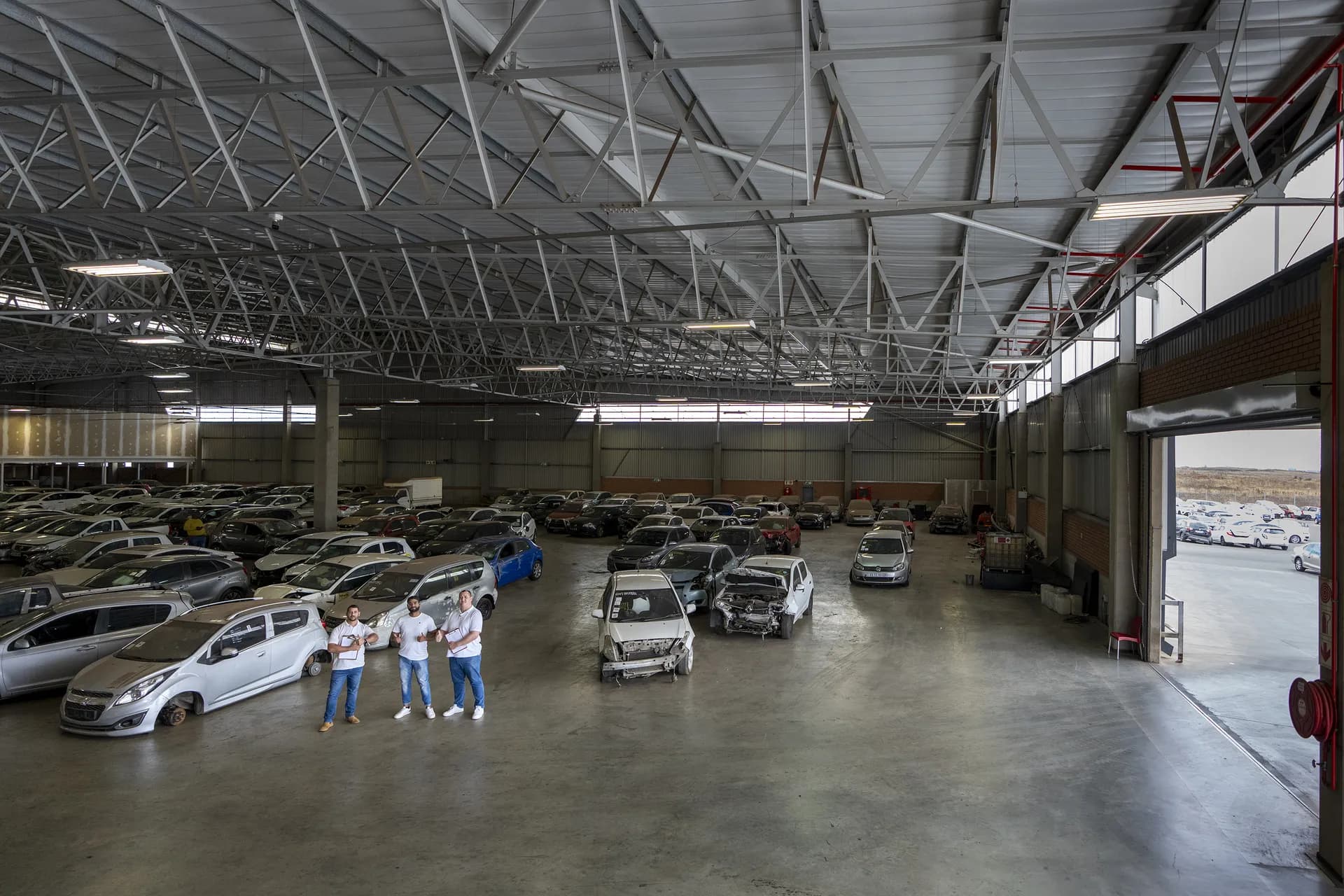
Understand Salvage Value
Offers depend on parts, damage type and regional salvage demand.
Prepare Good Photos
Clear images of damage, VIN and odometer improve offers and speed up sale.
Paperwork & Towing Included
Buyers often handle deregistration, collection and fast payment nationwide.
What this guide covers
If you have a salvage, written-off or heavily damaged vehicle and want to sell it online in South Africa, this guide explains when selling makes sense, how online valuations work, what paperwork is required, and practical tips to get a competitive cash offer.
Overview: selling a salvage car online in South Africa
A salvage car is a vehicle with damage severe enough that repair costs and insurance decisions mean it may not return to the road without significant work. Selling salvage online connects you with buyers who specialise in damaged vehicles, wrecking, parts and salvage markets. The online route is often faster and simpler than private resale or arranging repairs, especially when you factor in towing, storage and admin.
Sell Your Damaged Car buys salvage and written-off vehicles across South Africa, offering free nationwide towing, admin help including deregistration and fast payment. For a quick overview of the company and process, see the About / How it works page.
What is a salvage car and why buyers pay for them
Salvage vehicles are purchased for parts, scrap metal, salvageable components or rebuild projects where legal and safety standards permit. Buyers price offers based on the vehicle's make, model, year, remaining usable parts, and the regional demand in South Africa’s salvage market.
When to sell vs repair
Deciding whether to repair or sell depends on repair cost, the vehicle's pre-damage market value, time and risk. Below is a simple cost vs retained value comparison to help decide.
| Scenario | Estimated repair cost (R, typical) | Value retained after repair (approx.) | Suggested action |
|---|---|---|---|
| Minor structural damage | R5,000 - R20,000 | >75% of pre-accident value | Repair often viable |
| Major structural or engine damage | R30,000 - R150,000+ | <50% of pre-accident value | Consider selling salvage |
| Non-running / flood-damaged | R10,000 - R100,000 | Varies widely | Often better to sell as salvage |
How the online selling process typically works
Online salvage marketplaces and specialist buyers use a short form plus photos to offer an immediate indicative price. The usual steps are:
- Submit vehicle details and clear photos (damage, interior, VIN/license plate).
- Receive an obligation-free cash offer based on supplied information and market data.
- If you accept, the buyer arranges towing (often free nationwide) and completes paperwork.
- Collection and payment follow, with the buyer handling deregistration where applicable.
For a page that explains selling non-running vehicles specifically, consult the Sell Non-Running Car resource when preparing photos and details.
Legal & paperwork when selling salvage in South Africa
Selling a salvage vehicle in South Africa requires attention to legal transfer and deregistration steps. The buyer usually assists with the following:
- Proof of ownership (registration papers or logbook) and a signed sale agreement.
- Deregistration or transfer with the relevant licensing authority (eNaTIS/municipal licensing), where applicable.
- Disclosure of damage and, if the vehicle is financed, a settlement or lender release must be arranged before transfer.
South Africa notes: finance and deregistration
If the vehicle is under finance, inform your lender early. Buyers often request a settlement letter from the lender before collection. Accredited buyers will help with deregistration and transfer paperwork to reduce your administrative burden.
Damage types vs typical offer impact
| Damage type | How it affects offers |
|---|---|
| Cosmetic damage (bumpers, panels) | Lower impact; parts resale retains value. |
| Structural/chassis damage | Significant negative impact; often sold for parts or scrap. |
| Engine/transmission failure | Depends on component condition; cores may have value. |
| Flood or fire damage | Offers reduced; many buyers focus on salvageable parts only. |
Tips to maximise your online salvage offer
- Provide clear photos: wide shots and close-ups of damage, VIN, odometer and any service stickers.
- Be honest about mechanical and structural issues; transparency reduces delays and revised offers.
- Include any recent receipts or service history - even partial maintenance records can improve confidence.
- Note location details: buyers may adjust offers based on towing distance from major metros like Johannesburg, Cape Town and Durban.
If you want a straightforward selling experience that handles collection and paperwork, see the Sell Damaged Cars page for what to prepare before requesting a quote. For salvage or written-off cars that no longer run, the Sell Your Damaged Car homepage explains nationwide collection and documentation support.
What happens after collection
Once you accept an offer and collection is scheduled, the buyer typically arranges free towing, completes the sale agreement on collection, and processes payment. Payment timing varies by buyer but many specialist buyers offer fast payment after collection and verification of documents. Always confirm the payment method and timing in writing.
Example South African scenario: a 2010 sedan with major front-end damage and a non-running engine may attract higher interest from parts buyers in Gauteng due to demand for replacement mechanicals. Offers reflect that regional demand and transport costs; buyers will often waive towing fees for central locations like Johannesburg while remote collections can affect timelines.
Sources
- Road Traffic Management Corporation - vehicle registration and licensing guidance
- South African Government official portal - consumer and vehicle regulation information (search relevant licensing and transfer pages)?utm_source=straider&utm_medium=referral&utm_campaign=prebo-digital
- Sell Your Damaged Car - About / How it works
Seasoned automotive specialists dedicated to helping you turn your damaged or non-running vehicle into cash fast and hassle-free.
Disclaimer: This content is for educational purposes only. Product availability, pricing, and specifications are subject to change. Always verify current details on the retailer's website before making a purchase. We may earn affiliate commissions from qualifying purchases.
Why sell your damaged car to us?

A Division of Auction Nation, the leading expert in selling damaged cars

Best price for your damaged car

Get a cash offer within 24h

We buy damaged cars in any condition

We buy accident- damaged cars still under finance

Free, no obligation offer on your vehicle
How We Calculate Your Damaged Car’s Value
Wondering how we calculate your car’s value? At Sell Your Damaged Car, we look at: Your car’s real condition, its salvage value, and the current market demand. It’s all about honesty, transparency, and fairness — that’s how we determine your offer.
Frequently Asked Questions
Get answers to common questions about Selling Guides
Why Choose Sell Your Damaged Car?
Free Towing
Need a tow? We got you
Hassle Free
Get a cash offer within 24h!
Nationwide
Somewhere remote? No problem!
