
How to Sell a Non-Running Car Without a Roadworthy in South Africa
Learn how to sell a non-running car in South Africa without a roadworthy certificate: legal points, paperwork, market options and tips to maximise offers.
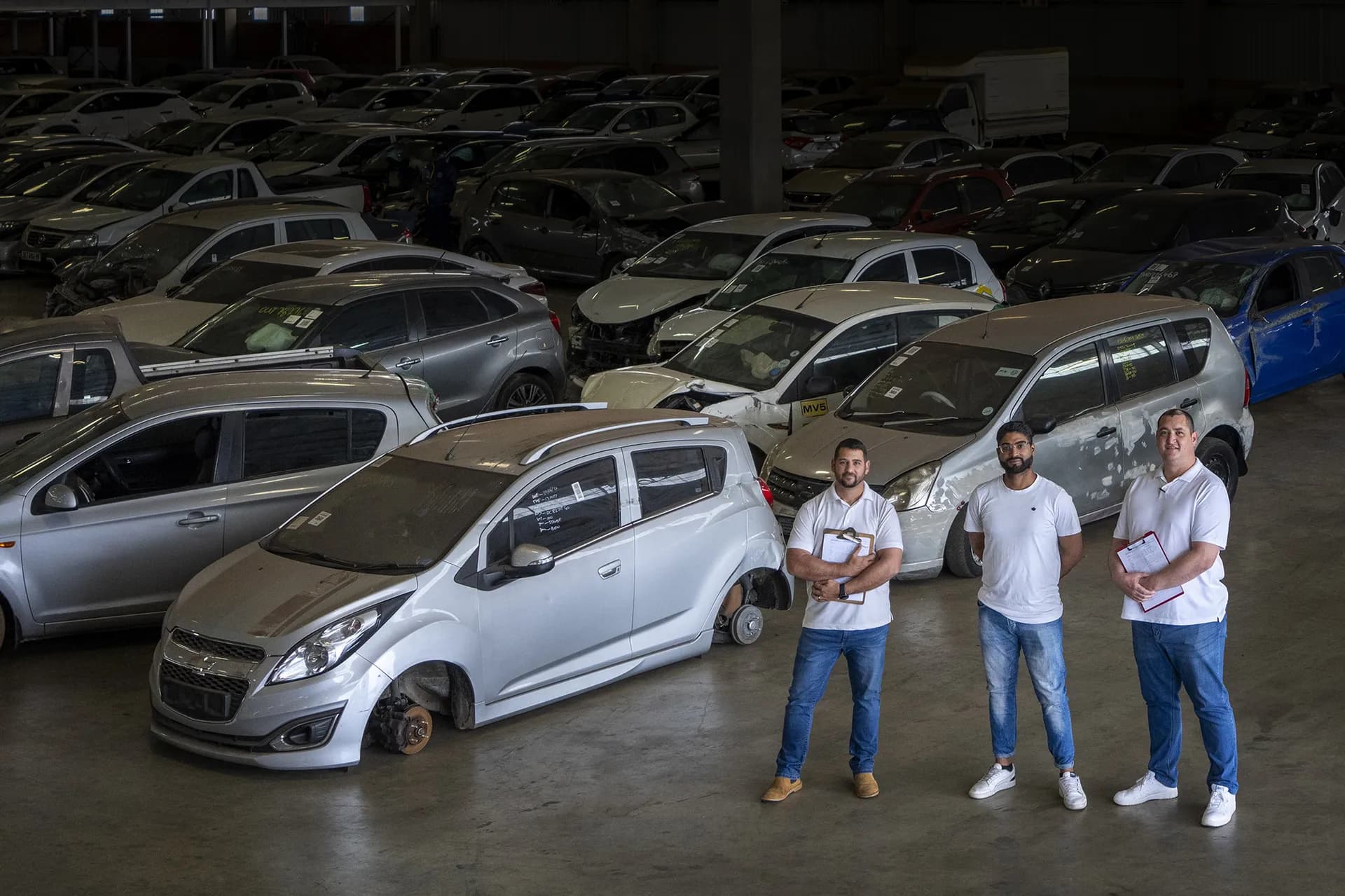
Sell As-Is Legally
South African owners can sell non-running cars without roadworthy if paperwork and disclosures are correct.
Specialist Buyers Help
Many buyers accept non-roadworthy cars, provide free towing and manage deregistration.
Prepare Documents
Clear photos, registration papers and finance details speed sale and payment.
Why owners sell non-running cars without a roadworthy
If your car is a non-starter, badly damaged after an accident, flood-affected or written-off by an insurer, obtaining a roadworthy certificate can be costly or impractical. Many sellers in Johannesburg, Cape Town, Durban and smaller centres opt to sell the vehicle "as-is" to specialist buyers, scrap dealers or part-out yards. Selling without roadworthy is legal in South Africa as long as the paperwork and disclosures are handled correctly; the buyer assumes responsibility for making the vehicle roadworthy or for dismantling it.
Overview: your realistic options
Common routes when you don’t have a roadworthy certificate include private sale "as-is", selling to a specialist buyer who accepts non-running cars, scrapping for parts, or handing the vehicle to an insurer if it’s declared a total loss. Each option has trade-offs in price, effort and legal steps.
Where specialised buyers help
Companies that purchase non-running or damaged vehicles will often accept cars without a roadworthy certificate, handle deregistration, arrange free towing and settle outstanding paperwork. For an overview of how specialist services operate, see the site’s explanation of the process on the About / How it works page.
Legal basics in South Africa
South African law allows the sale of vehicles "as-is". The seller must be honest about condition and must provide the vehicle registration papers (or inform the buyer if the vehicle is under finance). If you choose a buyer who will re-register or scrap the vehicle, they will typically manage deregistration and transfers. For official guidance on vehicle registration and licensing, consult the relevant government information on vehicle registration.
When to sell without roadworthy vs arrange a roadworthy
- Sell without roadworthy when repair or towing costs to obtain certification exceed practical value, or when the car is non-running and intended for salvage or parts.
- Consider obtaining a roadworthy if the car only needs minor repairs and a certificate would unlock a substantially higher private-sale price.
- If the vehicle is under finance, inform the lender immediately; selling without settling the bond can create legal complications.
Repair cost vs value retained (example estimates)
| Scenario | Typical repair cost (estimate) | Estimated value retained after repair |
|---|---|---|
| Minor mechanical fix (starter/motor) | R2,000 - R8,000 | +15% to +30% of saleability (varies by age/model) |
| Moderate repairs (engine/transmission) | R10,000 - R40,000 | +20% to +50% (only if vehicle has resale demand) |
| Major accident repair (structural) | R30,000 - R100,000+ | Often low return; many owners prefer to sell to salvage buyers |
Notes: figures are South Africa-specific estimates for common repair ranges and depend on make, model and age. Repair costs may not be recoverable through sale; specialist buyers may offer a competitive cash offer that reflects salvage demand.
If you want a quick way to compare options for a non-running car, see the service for selling non-running vehicles on the site: Sell Non-Running Car.
How the selling process typically works (step-by-step)
Specialist buyers and many scrap yards follow a simple workflow that removes the need for a roadworthy certificate:
- Submit vehicle details and photos online or by phone (make, model, year, damage, whether it runs).
- Receive a cash offer based on condition, market salvage value and parts demand.
- If you accept, the buyer handles paperwork, arranges free towing in many cases, and arranges deregistration or transfer.
- Payment is released after collection and the necessary documents are processed.
Paperwork and legal steps in South Africa
Essential documents and actions to complete a lawful sale:
- Vehicle registration certificate (original) or a Statement of Loss if stolen/missing.
- A written sale agreement that records the vehicle condition and that the sale is "as-is" if no roadworthy is provided.
- Clearance when the vehicle is under finance: a settlement figure or written consent from the lender.
- Deregistration or transfer processing; specialist buyers often manage this on your behalf and can explain any tax or insurance implications.
Damage types vs typical offer impact
| Damage type | Typical impact on offers |
|---|---|
| Mechanical non-runner (electrical/engine) | Buyer values parts and scrap; moderate reduction vs running car |
| Structural or chassis damage | Significant impact; many buyers classify as salvage or parts-only |
| Flood or fire-damaged | Often large reduction; specialised dismantlers may still have demand for parts |
South Africa-specific practical notes
Free towing is commonly offered by specialist buyers nationwide - useful if the car won’t move. Expect the buyer to assist with deregistration and bank payment after collection. If your vehicle is under finance, clarify settlement with the lender before accepting an offer. For more details about selling damaged vehicles, see the Sell Damaged Cars page.
Tips to maximise your offer when you don’t have a roadworthy
- Provide clear photos (engine bay, dash, VIN, damage close-ups) and accurate descriptions - transparency builds trust and avoids delayed offers.
- Gather documents: registration papers, service records and proof of ID. Even without a roadworthy, documentation speeds transfer and payment.
- Get multiple offers from reputable buyers to compare salvage demand; be clear about inclusions like free towing or paperwork handling.
- If the car is financed, ask the buyer about handling bond settlement and request written confirmation before collection.
What happens after collection
After collection the buyer typically completes deregistration or transfer, processes payment and provides a receipt or sale agreement. Timeframes vary; paperwork and bank clearance can take a few days. If you need a simple walkthrough of the process offered by specialist buyers, consult the general process overview on the homepage for a typical example of steps and inclusions.
Final checks and red flags
- Insist on a written sale agreement and proof of payment before handing over keys and documents.
- Be wary of buyers who request unwitnessed signatures or request to leave vehicle with them without proper receipts.
- Confirm who will handle deregistration and obtain a receipt that shows the transfer or scrapping action.
Sources
Seasoned automotive specialists dedicated to helping you turn your damaged or non-running vehicle into cash fast and hassle-free.
Disclaimer: This content is for educational purposes only. Product availability, pricing, and specifications are subject to change. Always verify current details on the retailer's website before making a purchase. We may earn affiliate commissions from qualifying purchases.
Why sell your damaged car to us?

A Division of Auction Nation, the leading expert in selling damaged cars

Best price for your damaged car

Get a cash offer within 24h

We buy damaged cars in any condition

We buy accident- damaged cars still under finance

Free, no obligation offer on your vehicle
How We Calculate Your Damaged Car’s Value
Wondering how we calculate your car’s value? At Sell Your Damaged Car, we look at: Your car’s real condition, its salvage value, and the current market demand. It’s all about honesty, transparency, and fairness — that’s how we determine your offer.
Frequently Asked Questions
Get answers to common questions about Legal And Paperwork
Why Choose Sell Your Damaged Car?
Free Towing
Need a tow? We got you
Hassle Free
Get a cash offer within 24h!
Nationwide
Somewhere remote? No problem!
