
Should I Sell My Hatchback for Spares or Repair It in South Africa?
Decide whether to sell your hatchback for spares or repair it. South Africa-specific costs, paperwork, salvage context, and tips to get the best outcome.
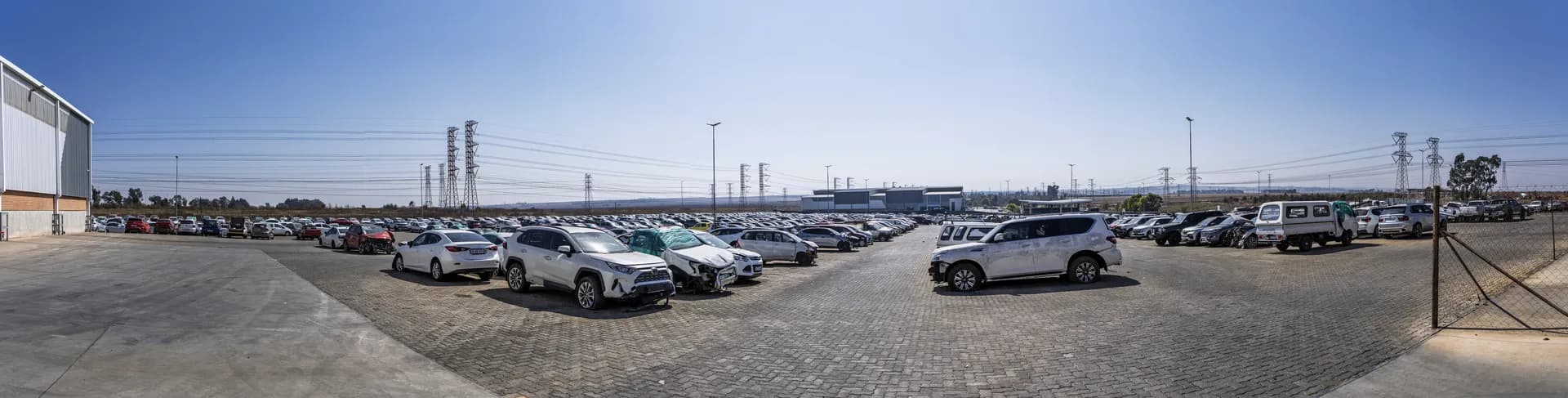
Sell for Spares When Repairs Exceed Value
Choose spares if repair costs are close to or above the hatchback’s market value.
Provide Clear Photos & Records
Detail condition and service history to improve offers from buyers.
Use Nationwide Services
Free towing and paperwork handling streamline selling across South Africa.
Overview: selling a hatchback for spares vs repairing it
If you own a hatchback with accident, mechanical or flood damage, one of the first decisions is whether to sell the vehicle for spares or repair it and keep selling privately. The right choice depends on repair cost, vehicle market value, time, and logistics. This guide focuses on South Africa and explains practical steps, paperwork considerations and how the salvage market affects offers.
Quick rule of thumb
If estimated repair costs are close to or exceed the car’s market value, selling for spares is often the simpler, lower-risk option. If repairs are modest and increase resale value significantly, repairing may be the better route.
How this affects sellers in major metros
Owners in Johannesburg, Cape Town and Durban face similar trade-offs but different local demand for parts, tow costs and salvage interest. Nationwide services that include free towing and paperwork handling can reduce the friction of selling a non-running or damaged hatchback.
Key factors to consider
- Estimated repair cost vs current market value of the hatchback in South Africa (R currency).
- Vehicle condition beyond visible damage (engine, transmission, frame).
- Time and effort required to manage repairs or dismantle for parts.
- Paperwork, deregistration and whether the car is under finance.
- Local spare-parts demand for your model (higher for common hatchbacks).
Repair cost vs value retained (example table)
| Scenario | Estimated repair cost (R) | Typical value retained after repair (R) | Decision guide |
|---|---|---|---|
| Minor bumper & panel damage | R3,000 - R10,000 | +R8,000 - R20,000 vs damaged listing | Repair often worthwhile |
| Major structural/frame or engine failure | R20,000 - R80,000+ | Limited uplift; market prefers unmodified vehicles | Consider selling for spares |
| Non-running due to starter/alternator | R1,500 - R8,000 | Moderate uplift if fixed | Often repair and sell |
These ranges are illustrative for South Africa and depend on make, model and age; always get local repair estimates. To compare the practical sale route for non-running or badly damaged hatchbacks, see the Sell Damaged Cars page for examples of what buyers consider when offering for salvage.
Damage types vs typical offer impact
| Damage type | Typical impact on offers |
|---|---|
| Cosmetic (panels, lights) | Minor reduction; easier to repair and resell |
| Mechanical (engine, gearbox) | Significant reduction; often sold for spares or scrap |
| Structural/frame damage | Major reduction; safety concerns limit resale value |
| Flood/fire damage | Severely reduced; many buyers prefer parts only |
If you’re weighing options for a non-running hatchback, review the free valuation and collection options on the homepage to see how an all-in service can simplify selling for spares.
When to sell for spares rather than repair
Selling a hatchback for spares is usually the better route when repair estimates exceed a large portion of the vehicle’s book value, when structural damage raises safety concerns, or when the car is underwritten as a write-off by an insurer. Sellers who want a fast, low-effort exit and who value immediate cash often choose spares sales, particularly for older or common hatchback models with strong parts demand.
How the sale process works for spares
A specialist buyer will assess the vehicle’s condition from your photos and details, provide a transparent offer based on salvage demand, and - where available - arrange free towing and handle paperwork including deregistration. Using a full-service buyer removes the need to dismantle the car yourself or manage multiple private buyers. For an outline of how a streamlined sale works, review the company process on the About / How it works page.
Legal & paperwork in South Africa
Legal steps when selling a damaged hatchback include transferring ownership or deregistering the vehicle and confirming there is no outstanding finance. If the vehicle is under finance, you must notify the finance provider; many buyers will coordinate settlement of finance as part of the sale. Buyers who handle paperwork reduce the risk of post-sale liability for the seller.
Tips to maximise your offer
- Provide clear photos (multiple angles, interior, engine bay, odometer) and honest descriptions.
- Supply service records or recent invoices to show maintenance history.
- Note any salvage title or insurer write-off status up-front; transparency builds trust.
- If parts like wheels, stereo or catalytic converters are easily removable, mention them-the buyer may pay more.
What happens after collection
After you accept an offer, a reputable buyer will arrange collection (often free nationwide towing), complete transfer or deregistration documents and release payment. Confirm how payment is made and obtain written confirmation of ownership transfer or deregistration. If you want details about selling a non-running vehicle specifically, see the Sell Non-Running Car page for practical examples.
Practical South Africa scenarios
Example 1: A 10-year-old hatchback with a seized engine-repair cost estimate R40,000, market value R45,000. After labour and parts delays, many owners choose to sell for spares to recoup immediate cash and avoid storage costs.
Example 2: A recent-model hatchback with front-end panel damage estimated at R8,000 to repair-owners often repair and sell privately because repaired value outweighs costs and the car remains attractive to buyers in major cities.
Final considerations
Deciding whether to sell a hatchback for spares or repair it is specific to the vehicle, the local market and your priorities for speed versus resale value. Use multiple repair and salvage quotes, disclose finance status and accept the route that aligns with your timeline and risk tolerance. If you value convenience, look for services that provide free towing, transparent offers and full paperwork support.
Sources
Seasoned automotive specialists dedicated to helping you turn your damaged or non-running vehicle into cash fast and hassle-free.
Disclaimer: This content is for educational purposes only. Product availability, pricing, and specifications are subject to change. Always verify current details on the retailer's website before making a purchase. We may earn affiliate commissions from qualifying purchases.
Why sell your damaged car to us?

A Division of Auction Nation, the leading expert in selling damaged cars

Best price for your damaged car

Get a cash offer within 24h

We buy damaged cars in any condition

We buy accident- damaged cars still under finance

Free, no obligation offer on your vehicle
How We Calculate Your Damaged Car’s Value
Wondering how we calculate your car’s value? At Sell Your Damaged Car, we look at: Your car’s real condition, its salvage value, and the current market demand. It’s all about honesty, transparency, and fairness — that’s how we determine your offer.
Frequently Asked Questions
Get answers to common questions about Comparison And Alternatives
Why Choose Sell Your Damaged Car?
Free Towing
Need a tow? We got you
Hassle Free
Get a cash offer within 24h!
Nationwide
Somewhere remote? No problem!
