
Sell Fire-Damaged Bakkie FAQ - What South African Owners Need to Know
Find answers on selling a fire-damaged bakkie in South Africa: when to sell vs repair, required paperwork, steps to get an offer and how collection/payment work.
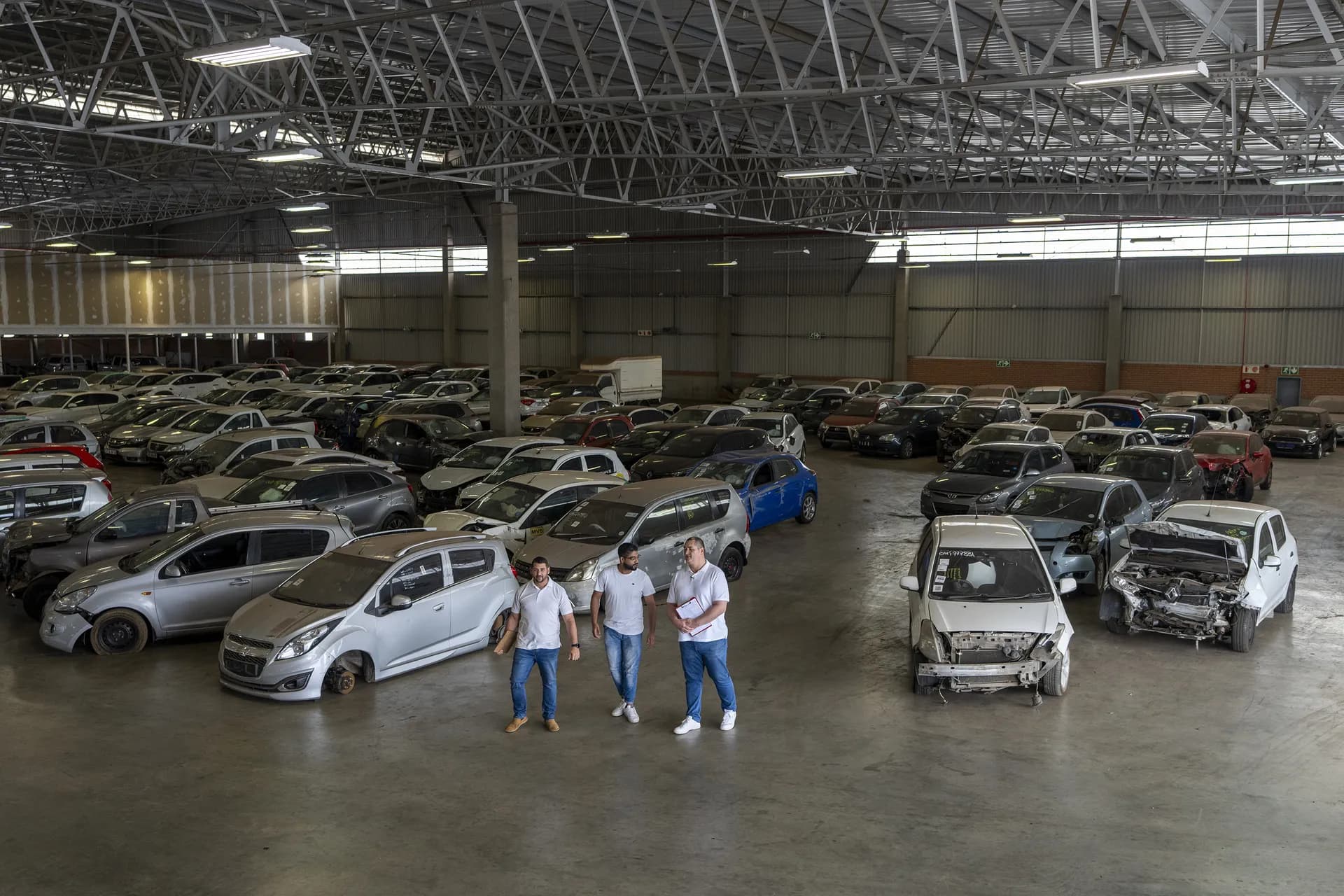
Clear Valuation Steps
Submit photos and details for a transparent, condition-based offer.
Nationwide Collection
Free towing across South Africa - we handle logistics and paperwork.
Paperwork & Payment
We assist with transfer, deregistration and fast payment after collection.
Overview: Selling a fire-damaged bakkie in South Africa
This FAQ explains the key points owners ask when they want to sell a fire-damaged bakkie. Whether your vehicle is partially burned, engine-affected, or a total write-off, understanding how offers are calculated, what paperwork is required and how collection works helps you make an informed decision. Use this guide if you want to sell fire-damaged bakkie stock quickly and with minimal hassle.
Common scenarios covered
- Exterior fire damage (cab, tray or bodywork)
- Engine bay or wiring harness fire
- Interior fire, smoke or heat damage
- Vehicles declared written-off by insurers
Note: This FAQ is for general guidance. Individual offers depend on make, model, year, mileage and the extent of fire damage. All monetary examples use South African Rand (R) and are illustrative estimates only.
When to sell vs repair a fire-damaged bakkie
Deciding whether to repair or sell depends on repair cost, remaining market value, availability of parts and safety. For many bakkies, extensive engine bay or structural fire damage makes repair uneconomical. Smaller cosmetic or interior fires may be worth repairing if the vehicle has high market value and a clean structural report.
Quick decision checklist
- If estimated repair cost > 50% of pre-damage market value, consider selling.
- If structural members, chassis or major wiring loom were damaged, repair often becomes complex.
- Check for insurance write-off status - insurers may have specific salvage rules.
Repair cost vs value retained
| Typical repair category | Estimated repair cost (example) | Likely value retained after repair |
|---|---|---|
| Minor interior/fire-smoke cleanup | R5,000 - R25,000 (estimate) | 80-95% of pre-damage value |
| Engine bay wiring, sensors replacement | R20,000 - R80,000 (estimate) | 50-75% of pre-damage value |
| Structural/chassis/major mechanical rebuild | R80,000+ (estimate) | Often less than 50% - may be considered a write-off |
Estimates vary by make, age and parts availability. For an immediate appraisal tailored to your vehicle, consider our quick online form which lets you get an indicative offer for a fire-damaged bakkie and learn the next steps. See how our process works on the About / How it works page for more detail.
Typical buyer expectations for fire-damaged bakkies
Buyers in the salvage and parts market look for usable components (engine block, differential, axles, wheels) and assess the ease of extracting value. Clearly documenting what survived the fire (photos, detail notes) improves the accuracy of offers from professional buyers.
If your bakkie won’t start or has extensive fire impact, see our dedicated guidance on selling damaged vehicles at the Sell Damaged Cars page.
How the process works when you want to sell a fire-damaged bakkie
A typical professional buying process in South Africa follows clear steps: submit vehicle details and photos, receive an offer, accept the offer, paperwork completion, free collection and payment. Sell Your Damaged Car supports owners nationwide and handles towing and admin so you don’t need to coordinate multiple parties.
Step-by-step
- Upload make, model, year, mileage and clear photos of the fire damage.
- Receive an obligation-free assessment and indicative cash offer.
- If you accept, we schedule free towing and complete transfer paperwork.
- After collection, payment is released and verified to your nominated account.
Legal & paperwork for fire-damaged vehicles in South Africa
Legal steps depend on whether the vehicle is financed, registered in your name, or declared a write-off by an insurer. Key administrative items include deregistration (if required), signing the transfer of ownership, and providing a clear copy of the ID and vehicle document. If the vehicle is under finance, you must notify the lender - some buyers can liaise directly with finance houses to settle outstanding balances as part of the sale.
Documents typically required
- Vehicle registration papers (clear copy)
- Owner ID document
- Proof of address (where applicable)
- Signed transfer forms (we can assist with deregistration)
- Authority letter if you’re selling on behalf of a company or estate
Damage types vs typical offer impact
| Damage type | How it affects offers |
|---|---|
| Surface paint/trim fire | Minor impact - higher offers if mechanicals intact |
| Engine bay/wiring/ECU fire | Significant reduction - buyers price for parts and repair complexity |
| Structural/chassis fire | Major reduction - often treated as salvage/write-off |
Tips to maximise your offer when selling a fire-damaged bakkie
- Provide clear photos from multiple angles (close-ups of damage and shots of intact components).
- List parts that are known to still work (alternator, gearbox, axles, wheels).
- Be honest and detailed about the incident - transparency reduces delays and re-negotiation.
- If the vehicle is under finance, have lender contact details ready to speed up settlement.
For owners of non-running bakkies, our Sell Non-Running Car guidance explains how offers differ when a vehicle won’t start.
What happens after collection
After we collect your fire-damaged bakkie, paperwork is finalised (including transfer/deregistration where applicable) and payment is released. Vehicles then go to inspection yards, parts reclaim centres or salvage channels depending on the best value outcome. Sellers receive confirmation and a settlement receipt for their records.
Practical example (illustrative)
Example: a 2012 bakkie with engine bay fire but intact gearbox and axles may receive a competitive cash offer reflecting salvageable mechanicals. Exact figures vary by model and region (Cape Town, Johannesburg, Durban markets can differ). All examples are indicative and not guaranteed.
Frequently asked questions - quick answers
- Do you collect nationwide? Yes - free towing across South Africa, including major metros and surrounding regions. See our homepage for service areas.
- Can you buy a financed vehicle? Yes - but you must disclose finance details. We can coordinate with your lender to settle outstanding amounts as part of the sale in many cases.
- How long until I’m paid? Payment is processed promptly after paperwork and collection are completed - described as fast payment, and timing depends on banking verification.
Sources
Seasoned automotive specialists dedicated to helping you turn your damaged or non-running vehicle into cash fast and hassle-free.
Disclaimer: This content is for educational purposes only. Product availability, pricing, and specifications are subject to change. Always verify current details on the retailer's website before making a purchase. We may earn affiliate commissions from qualifying purchases.
Why sell your damaged car to us?

A Division of Auction Nation, the leading expert in selling damaged cars

Best price for your damaged car

Get a cash offer within 24h

We buy damaged cars in any condition

We buy accident- damaged cars still under finance

Free, no obligation offer on your vehicle
How We Calculate Your Damaged Car’s Value
Wondering how we calculate your car’s value? At Sell Your Damaged Car, we look at: Your car’s real condition, its salvage value, and the current market demand. It’s all about honesty, transparency, and fairness — that’s how we determine your offer.
Frequently Asked Questions
Get answers to common questions about Selling Guides
Why Choose Sell Your Damaged Car?
Free Towing
Need a tow? We got you
Hassle Free
Get a cash offer within 24h!
Nationwide
Somewhere remote? No problem!
