
Sell damaged car process in KwaZulu-Natal - Step-by-step guide
Learn the sell damaged car process in KwaZulu-Natal: when to sell, step-by-step online to collection, KZN paperwork tips and how to prepare photos and documents.
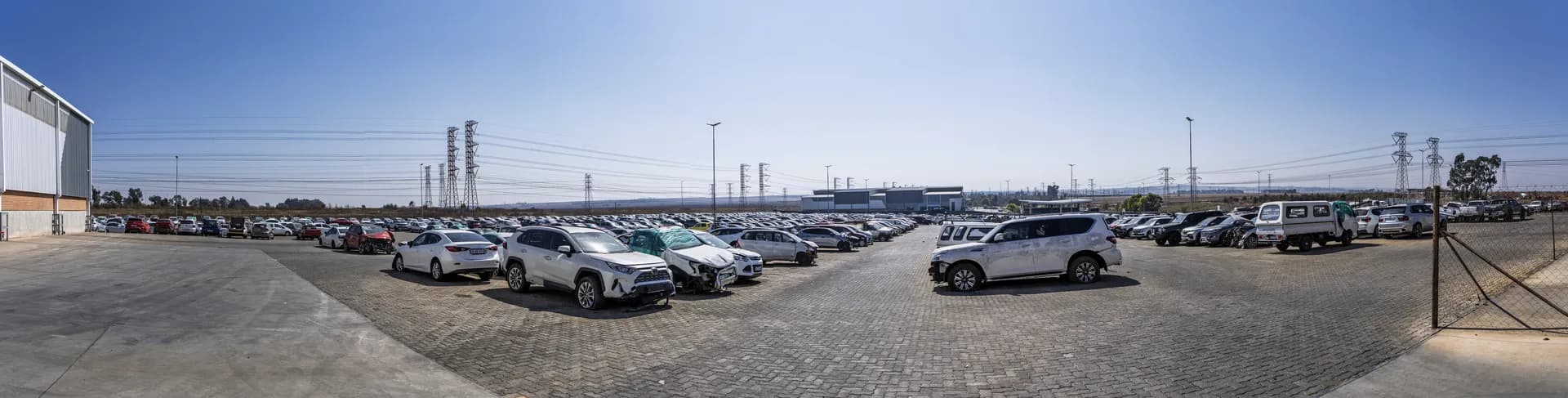
Regional, practical process
Step-by-step guidance tailored to KwaZulu-Natal logistics and traffic procedures.
Paperwork & towing handled
Free towing and assistance with transfer and deregistration reduce delays.
Prepare for a transparent offer
Good photos, honest descriptions and records speed verification and payment.
Overview: selling a damaged car in KwaZulu-Natal
If you need to sell a damaged car in KwaZulu-Natal, understanding the sell damaged car process in KwaZulu-Natal helps you move quickly, protect your rights and get a competitive cash offer. This guide explains when selling is preferable to repairing, the typical steps from online valuation to collection, and the legal and paperwork points specific to South Africa. We focus on practical examples and regional logistics for Durban, Pietermaritzburg, Umhlanga and surrounding areas.
Why the process matters locally
Regional factors - tow availability, local salvage demand, and provincial traffic office procedures - affect timelines and offers. Selling through a specialist buyer who provides free towing and handles deregistration and paperwork reduces delays common in KwaZulu-Natal, especially outside the major metros.
When to consider selling vs repairing
- Repair estimate exceeds a significant portion of the vehicle’s market value (see table below).
- Vehicle is non-running, written-off by an insurer, or has structural damage that makes repairs costly and time-consuming.
- You need fast cash or want to avoid storage, towing or ongoing maintenance costs.
| Scenario | Typical decision | Rationale (SA context) |
|---|---|---|
| Repair cost > 50% market value | Sell rather than repair | High repair-to-value ratios often yield lower return after repair costs and resale. |
| Non-running, unknown mechanical faults | Sell to specialist buyers | Labour and diagnostic costs can make repair uneconomical in SA workshops. |
| Minor cosmetic damage | Consider repair then sell privately | If repair is affordable, value retained may exceed immediate cash offer loss. |
Damage types and typical offer impact
| Damage type | Typical impact on offers |
|---|---|
| Structural/collision damage | Significant reduction - affects salvage and repair prospects |
| Mechanical failure (engine/gearbox) | Moderate to high impact depending on repairability |
| Flood or fire damage | High impact - often classified as write-offs by insurers |
| Cosmetic damage only | Lower impact - may be worthwhile to repair first |
Note: offers vary by make, model, year, mileage and local salvage demand. The sell damaged car process in KwaZulu-Natal typically begins with photos and a condition summary - an accurate description helps ensure a transparent initial offer.
For a quick overview of what we buy and our general process, see our About / How it works page. If your vehicle doesn’t start, our guidance on selling non-running cars can be useful: Sell Non-Running Car.
How the sell damaged car process in KwaZulu-Natal works - step by step
Below is a typical, practical sequence for selling a damaged vehicle in KwaZulu-Natal. Times are approximate and depend on paperwork, towing availability and the vehicle’s condition.
1. Submit vehicle details and photos
Provide make, model, year, mileage, brief damage description and clear photos (multiple angles, close-ups of damage and odometer). Accurate information reduces re-inspection delays. For examples of acceptable listings and damage descriptions, review our Sell Damaged Cars guidance.
2. Receive an initial offer
Offers are based on vehicle data, damage type and local salvage demand. This first offer is obligation-free and intended to be transparent; follow-up inspections may adjust the final price if undisclosed issues are discovered.
3. Accept, schedule collection and confirm paperwork
Once you accept, the buyer arranges free towing within KwaZulu-Natal. A specialist buyer will help with paperwork including transfer of ownership and deregistration steps required by South African traffic authorities. If your vehicle is still under finance, inform the buyer early so they can coordinate settlement with the finance provider.
4. Collection and payment
On collection day the buyer verifies vehicle identity and condition, completes the paperwork and releases payment. Payment timing can vary; many specialist buyers provide near-instant payment once documents are verified and the vehicle is in their possession.
Legal & paperwork considerations in South Africa
- Transfer of ownership: ensure ID, vehicle licence disc (if available) and a clear written sale agreement are provided.
- Deregistration: buyers who handle deregistration will liaise with provincial traffic offices and eNaTIS processes.
- Vehicles under finance: settlements must be coordinated with the finance house; disclose outstanding finance to avoid legal issues.
- Written-off vehicles: insurers and salvage classifications differ - disclose all insurer communications and assessments.
Tips to maximise your offer in KwaZulu-Natal
- Provide clear, well-lit photos and an honest damage summary.
- Gather maintenance records and proof of ownership to speed verification.
- Be transparent about finance or insurer write-off status.
- Remove personal items and make the vehicle accessible for towing.
What happens after collection
After collection the buyer will complete the sale paperwork, initiate deregistration with the relevant KZN traffic office where needed, and finalise payment. Keep copies of all signed documents and confirm the sale agreement lists the sale price and transfer date. If you want a refresher on practical warnings and how to avoid common pitfalls when selling a damaged vehicle, see our resource on avoiding scams and unsafe deals on the About / How it works page.
| After collection task | Typical timeframe |
|---|---|
| Final paperwork & transfer lodged | 1-10 working days (provincial variation) |
| Deregistration (if applicable) | Varies by traffic office - buyer handles liaison |
| Payment release | Typically at collection or shortly after verification |
Practical South Africa examples
Example: a non-running bakkie in outer Durban with a seized engine may attract salvage interest from local breakers; quick sale reduces storage fees and prevents further deterioration. Example: a written-off hatchback in Pietermaritzburg requires clear insurer communication and transfer coordination - disclosing this at the outset avoids delays during the collection stage.
Final checklist before selling
- Photos from multiple angles and odometer shot
- ID and proof of ownership
- Service history and insurer correspondence (if any)
- Bank details for payment and clarity on any outstanding finance
Sources
Seasoned automotive specialists dedicated to helping you turn your damaged or non-running vehicle into cash fast and hassle-free.
Disclaimer: This content is for educational purposes only. Product availability, pricing, and specifications are subject to change. Always verify current details on the retailer's website before making a purchase. We may earn affiliate commissions from qualifying purchases.
Why sell your damaged car to us?

A Division of Auction Nation, the leading expert in selling damaged cars

Best price for your damaged car
Get a cash offer within 24h

We buy damaged cars in any condition

We buy accident- damaged cars still under finance

Free, no obligation offer on your vehicle
How We Calculate Your Damaged Car’s Value
Wondering how we calculate your car’s value? At Sell Your Damaged Car, we look at: Your car’s real condition, its salvage value, and the current market demand. It’s all about honesty, transparency, and fairness — that’s how we determine your offer.
Frequently Asked Questions
Get answers to common questions about LOCATIONS
Why Choose Sell Your Damaged Car?
Free Towing
Need a tow? We got you
Hassle Free
Get a cash offer within 24h!
Nationwide
Somewhere remote? No problem!
