
Sell Damaged Bakkie Online vs Locally in SA - Which Option Suits You?
Compare selling a damaged bakkie online or locally in South Africa. Learn pros, cons, paperwork, towing, and practical tips to choose the right route.
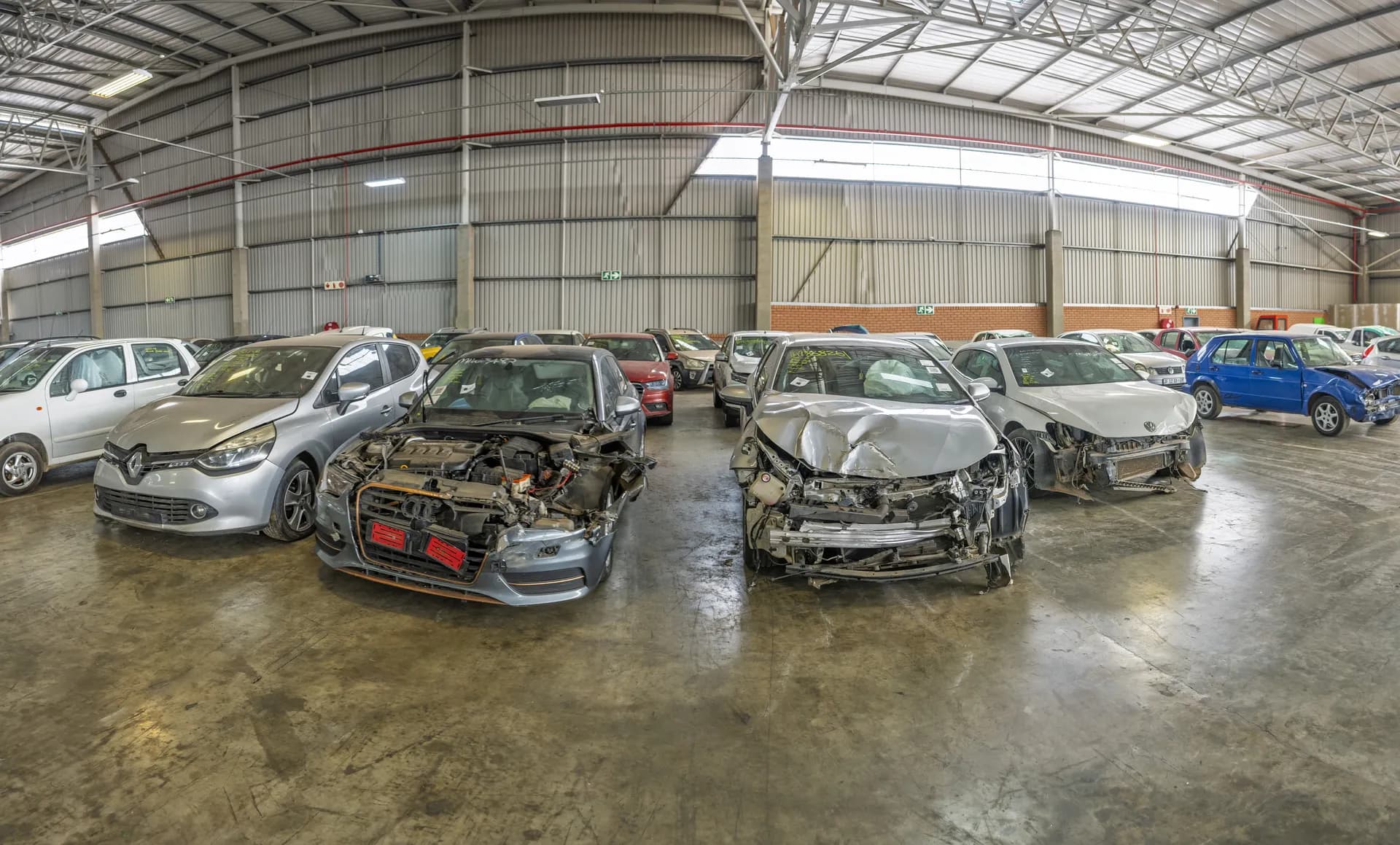
Online: Fast & Convenient
Free nationwide towing, paperwork help and a quick sale for non-running or written-off bakkies.
Local: Potentially More Control
You can negotiate directly and target buyers for parts, but handle towing and admin yourself.
Check Finance & Paperwork
Confirm any outstanding finance and ensure correct deregistration or transfer steps.
Quick summary
Choosing whether to sell a damaged bakkie online or locally in SA affects time, convenience and the final cash offer. This guide compares both routes, explains the paperwork and shows practical steps to get a fair, transparent outcome.
Overview: selling a damaged bakkie online vs locally in SA
When you decide to sell a damaged bakkie, the core choices are to market it locally (private buyers, scrap yards, auctions) or use online services that handle valuation, collection and admin. Each approach suits different priorities: maximum convenience, quickest sale, or trying to reach a buyer who values specific parts. Throughout this article we use South Africa-specific context - nationwide towing, deregistration rules, and considerations for vehicles under finance.
Pros and cons - at a glance
- Sell damaged bakkie online: Fast offers, free nationwide towing, handled paperwork and quick payment; limited negotiation on price but minimal admin.
- Sell locally: Potential for direct buyer negotiation and local scrap or DIY buyers, but requires arranging transport, handling paperwork and more time.
When to choose online vs local for a damaged bakkie
Use the online route when you prioritise speed, convenience and low logistical effort - for example if the bakkie is non-running, written-off, flood damaged or has major structural issues. Choose local when the vehicle has valuable aftermarket parts, or you want to test buyer interest in your immediate area and can manage towing and paperwork yourself.
Practical factors to weigh
- Condition and safety to move the vehicle (non-running or dangerous to drive favors online collection).
- Time available: local sales often require viewings and negotiations.
- Paperwork comfort: online services typically handle deregistration and settlement details.
- Finance or liens on the bakkie: if under finance, confirm settlement requirements before transfer.
Repair cost vs value retained
| Typical repair cost (estimate, R) | Likely impact on private sale value | When to sell instead of repair |
|---|---|---|
| R5,000 - R25,000 | Moderate; private buyers may negotiate but repairs can recover value if cosmetic/simple. | When downtime or repair uncertainty is high, or the bakkie is non-running. |
| R25,000 - R75,000 | Significant; buyers expect repaired or a large discount. Salvage demand may be stronger. | Consider online sale to avoid repair outlay and towing costs. |
| R75,000+ | Only worth if you have reliable quotes and plan to keep the bakkie long-term. | Repair only if the expected resale uplift justifies time and cost. |
Note: repair cost figures are South African estimates for common damage ranges and are provided as guidance only. Actual quotes vary by workshop, parts availability and regional labour rates.
How an online sale typically simplifies the process
Selling online through a specialist removes many logistical steps: you submit photos and details, receive a transparent cash offer based on condition, accept or decline, and the buyer arranges free collection and handles deregistration and payment. For more detail about services that manage collection and admin, see our overview on How it works.
Typical online benefits for South African sellers
- Free nationwide towing - useful in metros like Johannesburg, Cape Town and Durban and remote areas alike.
- Minimal paperwork required from the seller; many buyers assist with deregistration.
- Faster turnaround compared with arranging viewings and local transport.
If your bakkie is non-running, read practical guidance on selling non-running vehicles on the Sell Non-Running Car page.
Damage types vs typical offer impact
| Damage type | Typical effect on offers | Seller considerations |
|---|---|---|
| Structural / frame damage | Often large negative impact; resale options limited to salvage or specialised repairers. | Prefer online specialist buyers with salvage networks. |
| Engine / drivetrain failure | High impact if non-running; buyers factor repair risk and towing. | Online buyers often offer collection and paperwork handling. |
| Cosmetic damage (panels, glass) | Lower impact if mechanically sound; local private buyers may prefer to negotiate. | Selling locally can yield better returns for minor cosmetic issues. |
| Flood or fire damage | Substantial impact; often limited to salvage market and specialist buyers. | Online specialist channels simplify logistics and disclosure requirements. |
Legal, paperwork and finance considerations in South Africa
Regardless of route, follow legal steps: report accidents to the police if required, ensure accurate disclosure of damage, and follow deregistration or transfer procedures. If the bakkie is under finance, contact the lender to confirm settlement or transfer rules before accepting any offer; unresolved finance will affect any sale.
Nationwide towing and deregistration
Many reputable online buyers include free towing across South Africa and assist with deregistration. That reduces logistical risk, especially if the bakkie is non-running or in a different province. For more on selling damaged vehicles and what’s accepted, see the Sell Damaged Cars page.
Tips to maximise outcome when selling your damaged bakkie
- Document damage clearly with multiple photos and honest descriptions - this speeds up accurate online offers.
- Gather service records, logbooks and finance statements to show ownership and any encumbrances.
- If marketing locally, get a towing quote and allow for viewing time; weigh that effort against online convenience.
- Ask any buyer how they handle deregistration and payment timing; verified payment and formal transfer reduce risk.
Which option is best for common South African scenarios?
If your bakkie is non-running in Johannesburg, Cape Town or Durban and you want a quick, low-effort result, selling through an online specialist that arranges free towing and handles the paperwork usually makes sense. If you have time, a strong local buyer market for parts, or a well-maintained drivetrain with only cosmetic damage, selling locally could be worth the extra effort.
For a starting point on nationwide, streamlined online services and how they operate, check the company homepage for full process detail: Sell Your Damaged Car homepage.
Final checklist before you sell
- Confirm the vehicle’s finance status and get lender instructions if applicable.
- Have photos, keys, service history and ID ready for a smooth transfer.
- Compare a local market attempt against an online offer that includes free towing and paperwork handling to judge net benefit.
Sources
- Road Accident Fund (South Africa) - guidance on claims and accident reporting.
- Department of Transport (Republic of South Africa) - vehicle registration and road transport policy.
- National Credit Regulator (NCR) - information on settling vehicle finance and consumer obligations.
- South African Police Service (SAPS) - reporting requirements after vehicle accidents.
Seasoned automotive specialists dedicated to helping you turn your damaged or non-running vehicle into cash fast and hassle-free.
Disclaimer: This content is for educational purposes only. Product availability, pricing, and specifications are subject to change. Always verify current details on the retailer's website before making a purchase. We may earn affiliate commissions from qualifying purchases.
Why sell your damaged car to us?

A Division of Auction Nation, the leading expert in selling damaged cars

Best price for your damaged car

Get a cash offer within 24h

We buy damaged cars in any condition

We buy accident- damaged cars still under finance

Free, no obligation offer on your vehicle
How We Calculate Your Damaged Car’s Value
Wondering how we calculate your car’s value? At Sell Your Damaged Car, we look at: Your car’s real condition, its salvage value, and the current market demand. It’s all about honesty, transparency, and fairness — that’s how we determine your offer.
Frequently Asked Questions
Get answers to common questions about Comparison And Alternatives
Why Choose Sell Your Damaged Car?
Free Towing
Need a tow? We got you
Hassle Free
Get a cash offer within 24h!
Nationwide
Somewhere remote? No problem!
