
How to Sell a Car with Chassis Damage After a Collision in South Africa
Learn how to sell a car with chassis damage after collision in South Africa: when to repair vs sell, paperwork, valuation factors and tips to maximise your offer.
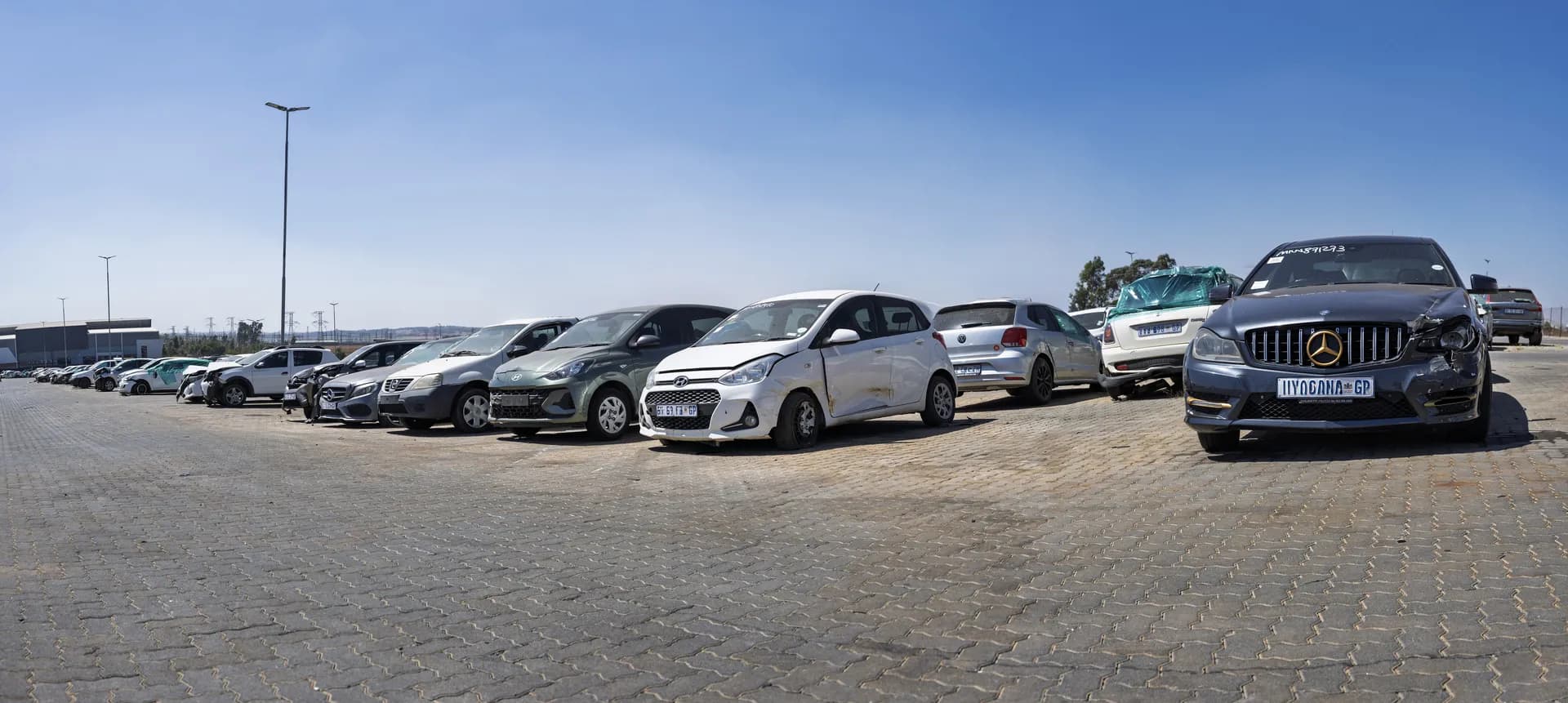
Understand Chassis Damage
Extent of structural harm is the main factor in valuation and sale options.
Paperwork & Finance
Clear title and lender consent matter; buyers often help with deregistration.
Maximise Your Offer
Provide clear photos, service history and be transparent about damage.
Overview: selling a car with chassis damage
Chassis damage after a collision ranges from minor frame bends to structural failures that make repair costly or impractical. If you’re considering to sell a car with chassis damage after collision, understanding safety, market value and the sales route will help you decide whether to repair, part out or sell as-is. South African buyers - insurers, salvage yards and specialist car buyers - evaluate structural damage carefully, and offers reflect repair complexity, legal compliance and scrap or salvage demand.
Key factors that affect offers
- Extent and location of chassis damage (passenger cell vs subframe).
- Vehicle make, model and year - higher demand models retain more value.
- Service history, mileage and supporting documents.
- Whether the car is registered as written-off with insurance or remains on the road register.
- Accessibility for towing and collection from metros or remote areas.
Safety & legal note
Major chassis damage can affect structural integrity and roadworthiness. In South Africa, altered structural components must comply with national vehicle standards before return to the road. Selling as salvage or for spares is often the safest path if extensive structural repairs are needed.
When to sell vs repair
Deciding to sell a car with chassis damage after collision depends on repair cost compared with post-repair market value and the time and stress of organising repairs. For many owners, selling saves ongoing storage, inspection and towing costs and eliminates the risk of incomplete repairs or registration complications.
| Scenario | Estimated repair cost (R) | Typical value retained after repair |
|---|---|---|
| Minor subframe bend, no cabin intrusion | R8,000 - R25,000 (estimate) | 60%-80% of pre-accident value |
| Moderate chassis repair with panel replacement | R25,000 - R70,000 (estimate) | 40%-65% of pre-accident value |
| Severe structural/frame failure | R70,000+ (often unrealistic) | Usually classified as salvage; low retained market value |
Figures above are illustrative estimates for South Africa and will vary by region, workshop rates and parts availability. When repair cost approaches or exceeds the post-repair market value, selling as-is is often the more practical option.
If you want to explore options for non-running or badly damaged vehicles, our site pages explain how we buy cars in any condition. See the Sell Damaged Cars and Sell Non-Running Car pages for how specialist buyers evaluate damaged vehicles.
How the selling process typically works
When you decide to sell a car with chassis damage after collision, specialist buyers follow a straightforward process: you provide vehicle details and images, they assess condition and provide an offer based on structural impact and salvageability, and - if accepted - collection and paperwork are arranged. In South Africa, many reputable buyers include free towing and can assist with deregistration or transfer paperwork.
Step-by-step example
- Submit make, model, year, mileage and clear photos showing damage.
- Receive a competitive cash offer based on condition and salvage demand.
- Accept the offer and agree on a collection time; tow arranged.
- Complete paperwork: ownership documents, ID, and any finance settlement details.
- Vehicle is collected and payment is released as agreed.
For a detailed overview of buyer services and how offers are calculated, our About / How it works page outlines what to expect during valuation and collection.
Legal & paperwork considerations in South Africa
Selling a vehicle with chassis damage requires attention to registration status and finance. If the vehicle is under finance, the account must be settled or the lender informed and involved in transfer. If insurers already declared the car a total loss, confirm whether it is recorded as a written-off vehicle. Buyers often assist with deregistration and the necessary transfer forms to ensure legal ownership changes hands properly.
| Issue | What to expect |
|---|---|
| Vehicle under finance | Lender consent required; sale proceeds commonly used to settle outstanding debt. |
| Written-off with insurer | Check documentation; some buyers buy salvage directly from owners if transfer is allowed. |
| Deregistration & transfer | Specialist buyers can assist with paperwork and eNaTIS processes to clear the vehicle from your name. |
Damage types vs typical offer impact
| Damage type | Typical effect on offers |
|---|---|
| Cosmetic panel damage | Minor reduction; repairable by bodyshop; higher offers possible. |
| Suspension/subframe/bolt-on faults | Moderate reduction; buyers factor cost of alignment and parts. |
| Chassis/frame intrusion to cabin | Significant reduction; often sold as salvage or for parts. |
Tips to maximise your offer
- Provide clear photos from multiple angles showing chassis areas and VIN plates.
- Include service history and MOT or roadworthy certificates if available.
- Be transparent about repairs already done and any remaining mechanical issues.
- Confirm and disclose finance status - buyers prefer clean title transfers.
- Compare offers from specialist buyers and salvage yards; consider convenience (free towing and paperwork assistance) as part of the value.
If convenience and fast completion matter, specialist buyers who operate nationwide can simplify the process: quick online valuation, free collection from Johannesburg, Cape Town, Durban and surrounding areas, and assistance with deregistration. See our main site for full service details at the homepage.
What happens after collection
After collection, buyers will complete transfer forms, settle any finance where applicable, and arrange salvage processing or repair coordination. Payment timelines vary by buyer but are often prompt once ownership transfer documentation is confirmed. Always obtain a written receipt and record of payment and transfer to protect yourself legally.
Sources
- eNaTIS (Electronic National Traffic Information System) - official vehicle registration and transfer procedures in South Africa.
- Road Traffic Management Corporation (RTMC) - national road traffic guidance and safety information relevant to vehicle repairs and roadworthiness.
- AA South Africa - practical advice on selling written-off or heavily damaged vehicles and understanding salvage considerations.
Seasoned automotive specialists dedicated to helping you turn your damaged or non-running vehicle into cash fast and hassle-free.
Disclaimer: This content is for educational purposes only. Product availability, pricing, and specifications are subject to change. Always verify current details on the retailer's website before making a purchase. We may earn affiliate commissions from qualifying purchases.
Why sell your damaged car to us?

A Division of Auction Nation, the leading expert in selling damaged cars

Best price for your damaged car

Get a cash offer within 24h

We buy damaged cars in any condition

We buy accident- damaged cars still under finance

Free, no obligation offer on your vehicle
How We Calculate Your Damaged Car’s Value
Wondering how we calculate your car’s value? At Sell Your Damaged Car, we look at: Your car’s real condition, its salvage value, and the current market demand. It’s all about honesty, transparency, and fairness — that’s how we determine your offer.
Frequently Asked Questions
Get answers to common questions about Selling Guides
Why Choose Sell Your Damaged Car?
Free Towing
Need a tow? We got you
Hassle Free
Get a cash offer within 24h!
Nationwide
Somewhere remote? No problem!
