
How to Sell Your Car After an Accident in South Africa - Fast, Clear Options
Learn when to sell your car after an accident, how offers are calculated, SA paperwork steps and how specialist buyers handle towing and payment.
Decide Repair or Sell
Compare repair costs to market value and choose the fastest, lowest-risk option.
What Buyers Consider
Offers depend on damage type, parts demand and whether the car runs.
Paperwork & Collection
Specialist buyers can handle deregistration, free towing and quick payment.
Overview: Selling a car after an accident
If you need to sell a car after an accident, you have clear choices: repair and keep, repair and sell, or sell as-is to a specialist buyer. Selling can be the fastest way to recover value when repair costs are high, the vehicle is non-running or it's been written off by an insurer. This guide explains the practical steps in South Africa, what affects offers and how to choose the right route for your circumstances.
When to sell vs repair
Deciding whether to repair or sell depends on repair cost, the car's pre-accident market value, your willingness to manage repairs and how soon you need cash. As a rule, consider selling when repair estimates approach a significant share of the vehicle's market value, when the vehicle is non-running, or when an insurer has written it off.
Repair cost vs value retained (example estimates)
| Scenario | Typical repair cost (R, estimate) | Estimated value retained after repair |
|---|---|---|
| Minor bumper and panel damage | R3 000 - R12 000 | 80%-95% of pre-accident value |
| Moderate structural/airbag repairs | R20 000 - R80 000 | 40%-70% of pre-accident value |
| Severe flood, fire or total loss | Often exceeds vehicle value | 0%-30% depending on condition |
These figures are illustrative estimates for a South African context and will vary by make, model, age and regional salvage demand. When repair costs are a large fraction of pre-accident value, selling as-is can be less time-consuming and lower risk.
Damage types vs typical offer impact
| Damage type | How offers are typically affected |
|---|---|
| Cosmetic (panels, paint) | Lower impact; higher retained value if structure and drivetrain fine |
| Structural/chassis or airbag deployment | Significant reduction in cash offers due to repair complexity and resale limits |
| Engine/transmission failure | Material offer reduction; non-running status adds towing/repair considerations |
| Flood or fire damage | Often major impact - vehicles may be treated as salvage or written off |
A specialist buyer will price offers based on salvage demand for parts, the feasibility of repair and local market appetite. If you want a quick estimate and to avoid negotiating with private buyers, use an online valuation service designed for damaged vehicles.
South Africa note: Free towing and simplified paperwork are widely available from specialist buyers. For an overview of how a dedicated service works, see our About / How it works page.
How the typical selling process works
Selling a post-accident vehicle to a specialist buyer is usually straightforward: you provide vehicle details and photos, receive a transparent cash offer, accept or decline, and if you accept the buyer arranges collection and handles paperwork. Many services cover nationwide collection and offer fast payment after collection.
For examples of options for non-running vehicles, review our dedicated guidance on Sell Non-Running Car.
Legal & paperwork in South Africa
When you sell a damaged car, transfer of ownership, deregistration (if required) and settlement of any outstanding finance are key legal steps. If the vehicle is still under finance, most buyers will require the loan to be settled or the finance house's consent to sell. Specialist buyers often assist with deregistration and provide documentation to confirm transfer to a buyer or wrecking agent.
Practical checklist
- Vehicle registration certificate (or clear ID documents if lost)
- Copy of your ID and proof of bank details for payment
- Any finance settlement figures or proof of clearance
- Photos showing damage and vehicle identification number (VIN)
If you want more detail on selling damaged vehicles specifically, see our Sell Damaged Cars page which explains common paperwork scenarios.
Tips to maximise your offer
- Be honest and detailed in descriptions: clear photos of the VIN, mileage and damage speed up accurate offers.
- Secure documentation: having your registration and any service history on hand reduces delays.
- Clarify finance status: know whether the vehicle has outstanding finance and get payoff quotes if possible.
- Compare offers from specialist buyers rather than relying solely on private-sale estimates; specialists value salvage and parts differently.
What happens after collection
Once you accept an offer, the buyer typically handles collection (often free nationwide), completes transfer paperwork and releases payment. Expect the buyer to verify vehicle details at collection; payment is commonly made into your bank account within a short window after transfer is complete. For an outline of the exact steps used by a trusted specialist service, review the homepage process summary on our homepage.
Example scenarios (South Africa)
Scenario: A privately owned hatchback with front-end structural damage is non-running. Repair quotes show work exceeding 60% of pre-accident value. Selling to a specialist who handles towing, paperwork and payment may be faster and less costly than coordinating repairs locally in Johannesburg or Cape Town. Another example is a fleet vehicle with mechanical failure: a fleet manager may prefer quick sale and replacement to reduce downtime.
Final considerations and next steps
When you decide to sell a car after an accident, prepare clear photos, gather documents and check finance. Use specialist buyers that offer clear, transparent offers, free towing and paperwork help to reduce hassle. If you want to understand the specific process for non-running vehicles or the types of damaged cars we buy, see the Sell Non-Running Car and Sell Damaged Cars pages for specific guidance.
Trust tip: Ask any buyer for a written offer that clearly lists inclusions (towing, paperwork, payment timing) so you can compare options across providers in Durban, Cape Town, Johannesburg and other regions.
Sources
Seasoned automotive specialists dedicated to helping you turn your damaged or non-running vehicle into cash fast and hassle-free.
Disclaimer: This content is for educational purposes only. Product availability, pricing, and specifications are subject to change. Always verify current details on the retailer's website before making a purchase. We may earn affiliate commissions from qualifying purchases.
Why sell your damaged car to us?

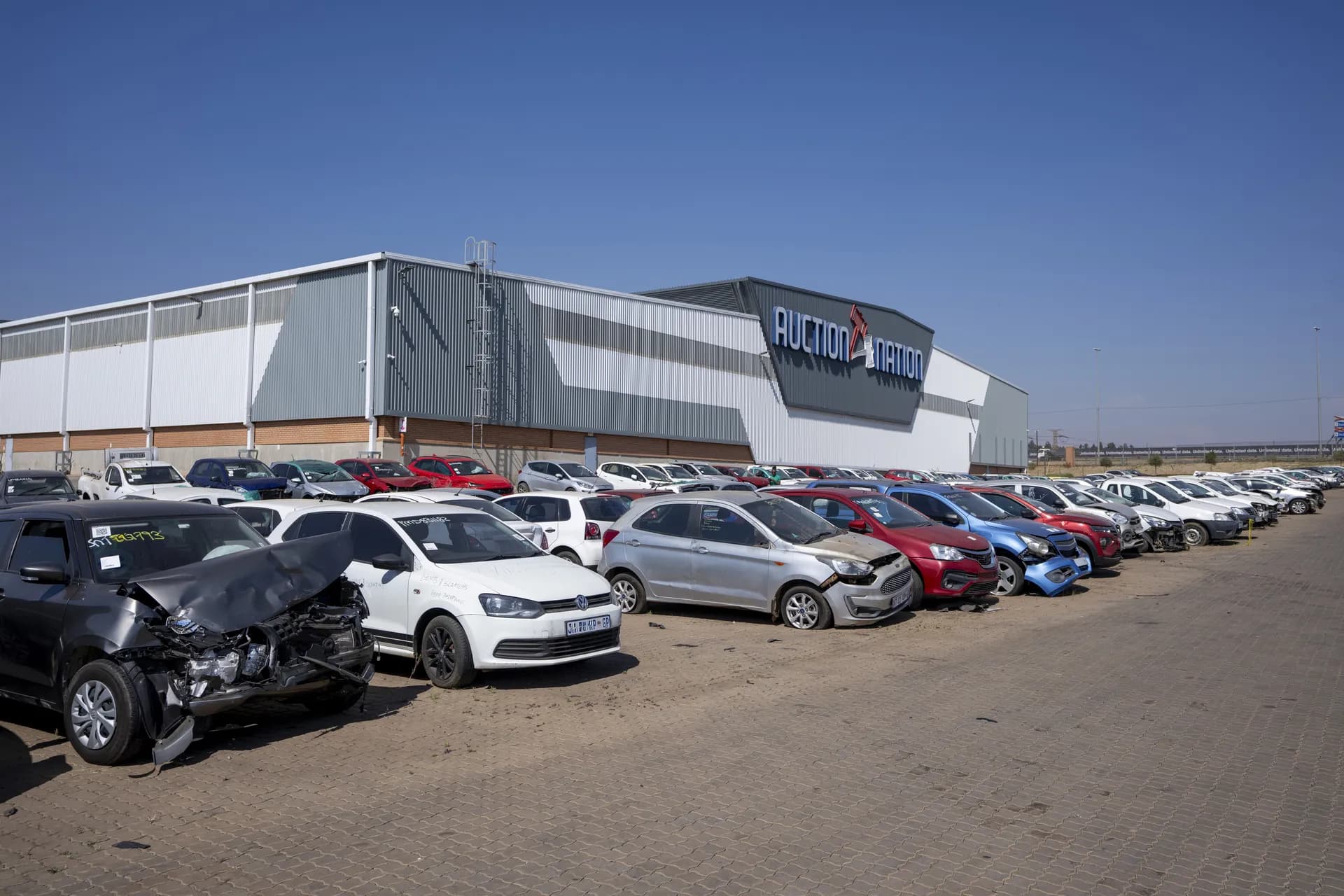
A Division of Auction Nation, the leading expert in selling damaged cars

Best price for your damaged car

Get a cash offer within 24h

We buy damaged cars in any condition

We buy accident- damaged cars still under finance

Free, no obligation offer on your vehicle
How We Calculate Your Damaged Car’s Value
Wondering how we calculate your car’s value? At Sell Your Damaged Car, we look at: Your car’s real condition, its salvage value, and the current market demand. It’s all about honesty, transparency, and fairness — that’s how we determine your offer.
Frequently Asked Questions
Get answers to common questions about Selling Guides
Why Choose Sell Your Damaged Car?
Free Towing
Need a tow? We got you
Hassle Free
Get a cash offer within 24h!
Nationwide
Somewhere remote? No problem!
