
How to sell-burnt-car-with-outstanding-finance-settlement in South Africa - practical guide
Learn how to sell a burnt car with outstanding finance in South Africa: lender steps, insurer roles, paperwork, deregistration and practical tips to manage settlements.
Finance First
Contact your lender for a written settlement figure before selling.
Document Everything
Provide insurer estimates, photos and loan paperwork to speed settlement.
Use Specialist Buyers
Salvage buyers who handle towing and paperwork reduce delays.
Overview: sell-burnt-car-with-outstanding-finance-settlement
Selling a burnt car while there is an outstanding finance settlement presents extra steps compared with a freehold vehicle. In South Africa you must consider the lender’s rights, possible insurance proceeds, deregistration requirements, and how settlement affects transfer of ownership. This guide explains practical options, how the process usually works, and what documentation lenders and buyers commonly require.
Key facts to know up front
- Most vehicles with outstanding finance are registered in the lender’s name as a secured asset; you typically cannot transfer ownership until the finance is settled or the lender provides written consent.
- If the car is insured, an insurer payout may be used to settle the loan, but a shortfall can remain if the insurance does not cover the full settlement amount.
- Sell Your Damaged Car buys vehicles in any condition, handles paperwork including deregistration, and can assist with lender liaison - learn how we work on our About / How it works page.
Practical note: The phrase sell-burnt-car-with-outstanding-finance-settlement describes a common scenario: a burnt vehicle that still has a loan balance. Early communication with the lender and clear paperwork reduces delays and helps you understand any shortfall you must cover.
When to sell vs repair a burnt vehicle
For burnt vehicles, repair is rarely economical. Decisions depend on estimated repair cost, pre-incident market value, outstanding finance and insurer valuation. If repair cost plus remaining finance exceeds the likely resale or running value, selling for salvage or for parts is usually the faster, lower-risk option.
| Scenario | Typical repair cost (estimate, R) | Value retained after repair |
|---|---|---|
| Minor exterior fire, engine unaffected | R15,000-R50,000 | Moderate - vehicle may still be flagged as repaired |
| Major cabin/engine fire | R50,000-R200,000+ | Low - often written off |
These figures are indicative and will vary by make, model and age. For many burnt vehicles, the most practical route is to work with a buyer who accepts salvage condition and can help with lender settlement logistics; see our Sell Damaged Cars guidance for similar cases: Sell Damaged Cars.
Damage types and typical offer impact
| Damage type | Typical impact on offers |
|---|---|
| Surface fire to upholstery/panels | Moderate reduction - reusable mechanicals possible |
| Engine bay fire / structural damage | Significant reduction - often written off |
If you need to sell a non-running or heavily damaged vehicle while it has finance, our Sell Non-Running Car page explains details relevant to non-starters and written-off vehicles: Sell Non-Running Car.
How the process works when finance is outstanding
When you want to sell a burnt car with outstanding finance settlement, follow these common steps: confirm the loan balance, involve your insurer (if applicable), get a written settlement figure from the lender, and agree how proceeds will be applied. Buyers who regularly handle salvage purchases will often coordinate directly with the lender to shorten timelines.
Step-by-step checklist
- Contact your finance provider and request a written settlement figure and any instructions for third-party settlement.
- If you have motor insurance, obtain the insurer’s estimate or claim status; insurers often pay to the lender first.
- Get multiple salvage or specialist offers to understand likely proceeds.
- Agree with your buyer and lender on payment order: lender settlement first, then any residual payment to you if funds cover the balance.
Legal & paperwork in South Africa
Key legal steps include clearing or acknowledging the finance lien, completing any transfer documentation only after lender release, and deregistering a written-off vehicle with the relevant traffic authority (eNatis processes are handled by provincial traffic departments). If arson or criminal activity is suspected, a South African Police Service case number may be required for insurance and transfer records.
Tips to maximise your outcome
- Provide full documentation: finance statements, policy claim references, photos of damage and service history to help buyers and lenders assess value quickly.
- Be transparent about the outstanding settlement to avoid delays or disputes.
- Ask potential buyers whether they can liaise with the lender directly - this often accelerates release and collection.
- Compare offers from salvage specialists and services that provide free towing and paperwork handling; for a full explanation of the buying process and administration we handle, see our homepage: Sell Your Damaged Car.
What happens after collection
After a buyer collects the burnt vehicle, parties typically confirm receipt, the lender receives settlement funds (if agreed), and deregistration steps commence. A receipt and clear settlement record should be provided to you. If a shortfall exists (for example, insurer payout plus buyer funds do not fully cover the loan), you remain liable to the lender for the balance unless the lender agrees otherwise in writing.
Practical examples (South Africa)
Example: A vehicle with R80,000 outstanding finance suffers severe fire damage. The insurer values the write-off at R50,000 and pays the insurer’s beneficiary (usually the lender). A salvage buyer offers R20,000 net, leaving a R10,000 shortfall the owner must arrange with the lender. Exact numbers depend on loan terms, insurer valuation and buyer offer; figures here are illustrative only.
Final considerations and next steps
Selling a burnt car with outstanding finance settlement is manageable when you cooperate with your lender, document every step, and choose a buyer who understands salvage and finance processes. If you prefer a partner that arranges free towing, assists with deregistration and can liaise with lenders, review how we handle damaged vehicles and settlements on our About page: About / How it works, and detailed options for damaged cars here: Sell Damaged Cars.
Sources
Seasoned automotive specialists dedicated to helping you turn your damaged or non-running vehicle into cash fast and hassle-free.
Disclaimer: This content is for educational purposes only. Product availability, pricing, and specifications are subject to change. Always verify current details on the retailer's website before making a purchase. We may earn affiliate commissions from qualifying purchases.
Why sell your damaged car to us?

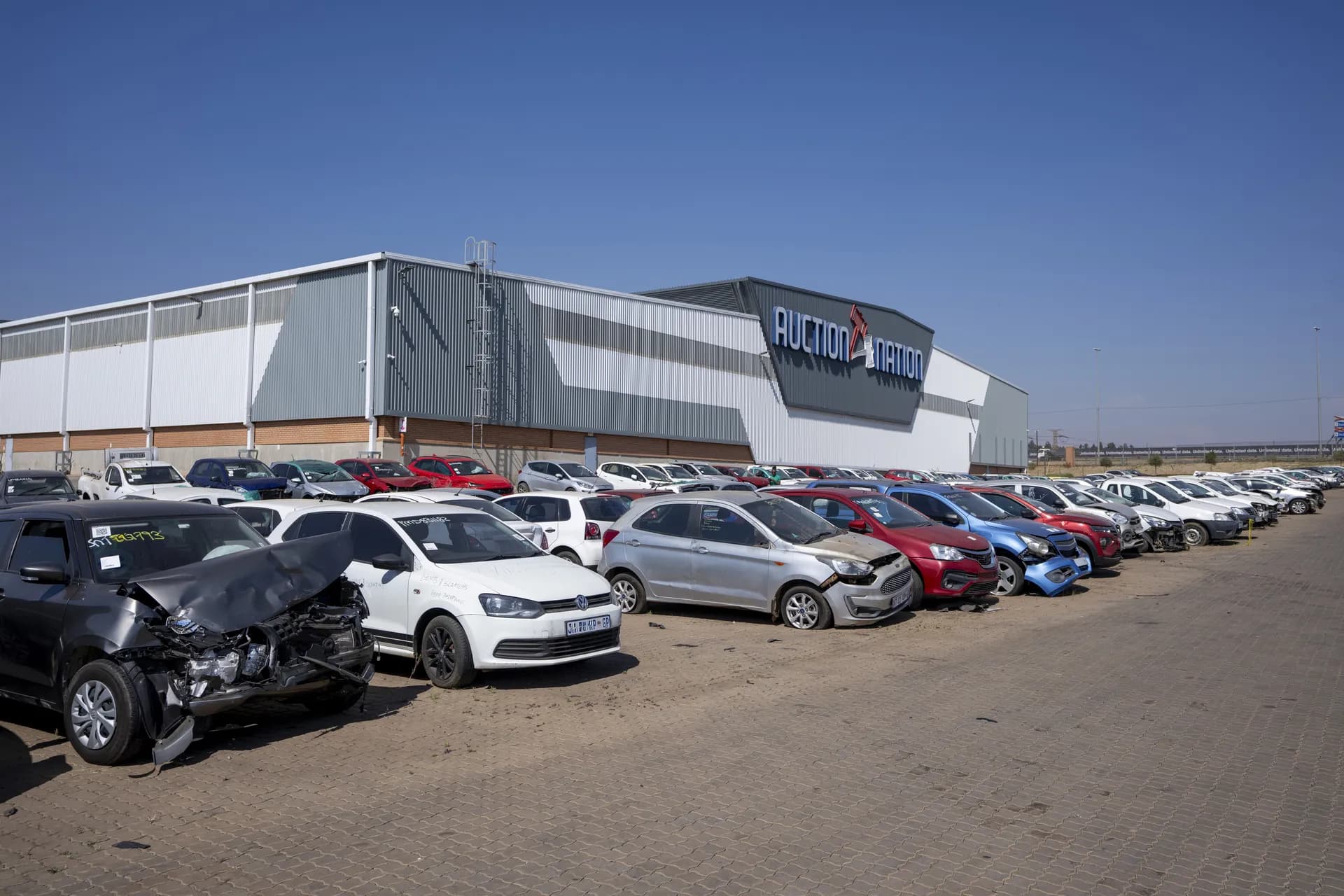
A Division of Auction Nation, the leading expert in selling damaged cars

Best price for your damaged car

Get a cash offer within 24h

We buy damaged cars in any condition

We buy accident- damaged cars still under finance

Free, no obligation offer on your vehicle
How We Calculate Your Damaged Car’s Value
Wondering how we calculate your car’s value? At Sell Your Damaged Car, we look at: Your car’s real condition, its salvage value, and the current market demand. It’s all about honesty, transparency, and fairness — that’s how we determine your offer.
Frequently Asked Questions
Get answers to common questions about Legal And Paperwork
Why Choose Sell Your Damaged Car?
Free Towing
Need a tow? We got you
Hassle Free
Get a cash offer within 24h!
Nationwide
Somewhere remote? No problem!
