
How to Sell an Accident-Damaged Car with Insurance Help in South Africa
Learn how to sell an accident-damaged car with insurance involvement in South Africa: claims, salvage options, paperwork and tips to streamline sale and collection.
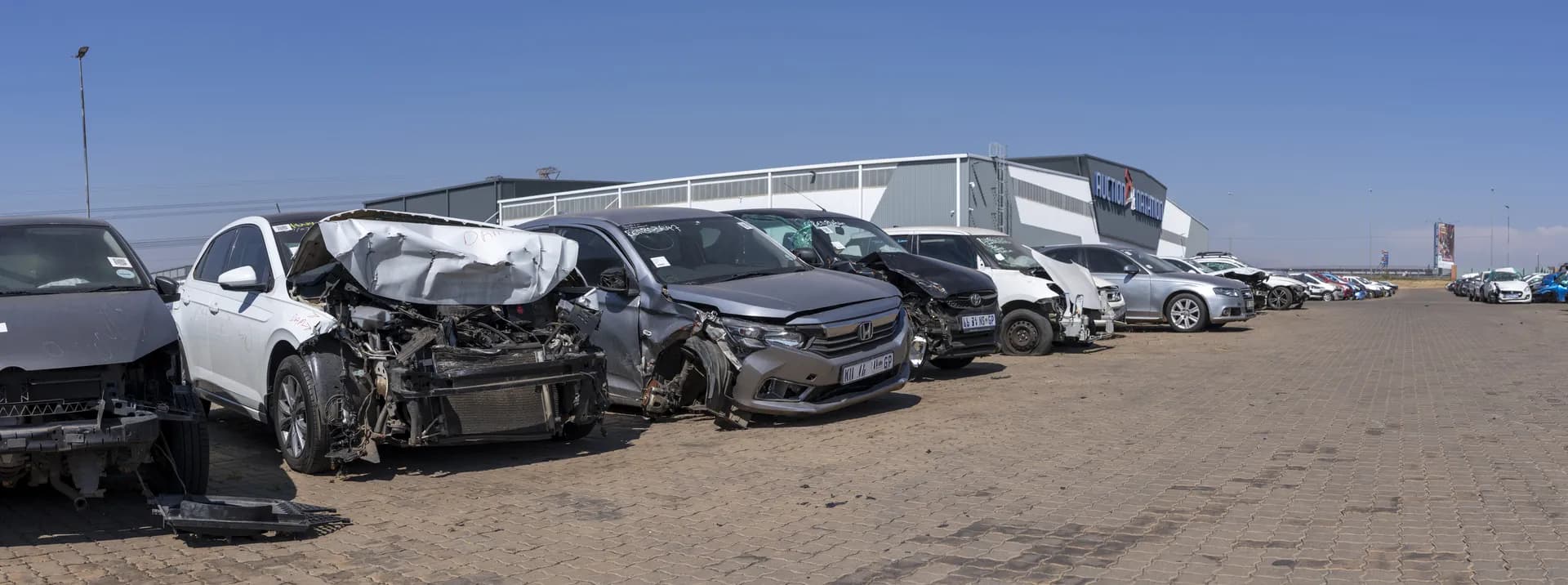
Understand Insurance Outcomes
Know whether insurer repairs, pays a settlement or allows you to retain salvage.
Document & Confirm
Photograph damage, get insurer confirmation in writing and disclose finance status.
Use a Specialist Buyer
Choose a buyer that offers free towing, handles deregistration and nationwide collection.
Overview
If you need to sell an accident-damaged car with insurance help, the process typically involves coordinating a claim or settlement with your insurer, deciding whether to keep salvage rights, and choosing a buyer who handles towing and paperwork. This guide explains the options available to South African vehicle owners, including practical examples in R, and highlights how Sell Your Damaged Car’s nationwide service can simplify collection and admin.
When to sell vs repair after an accident
Deciding whether to repair or sell an accident-damaged car requires comparing repair costs, the car’s pre-accident market value and likely future reliability. If repair costs, including parts and labour, approach or exceed a large share of the vehicle’s market value, selling as-is is often the lower-cost, lower-risk option.
Repair cost vs value retained
| Typical repair scenario (estimate) | Estimated repair cost (R) | Value retained after repair (approx.) |
|---|---|---|
| Minor bumper/door repairs | R5,000 - R25,000 | 70% - 95% of pre-accident value |
| Moderate structural + panel work | R25,000 - R75,000 | 50% - 80% of pre-accident value |
| Major structural / engine damage | R75,000 - R200,000+ | Often less than 50% of pre-accident value |
Estimates above are illustrative for South Africa and will vary by make, model and region. If repair estimates are a large portion of the car’s market value, selling with an insurer’s settlement or as salvage can be more practical.
How insurance settlements affect selling your vehicle
When you report an accident to your short-term insurer, they will inspect and classify the loss. Common outcomes are: insurer authorises repair, insurer declares the car a constructive total loss and offers a cash settlement, or insurer pays repair costs and retains salvage. Understanding these outcomes helps you decide how to sell your accident-damaged car with insurance help.
Key scenarios to know
- Insurer pays for repairs: you keep the vehicle and decide whether repaired condition justifies further use or resale.
- Insurer pays a cash settlement and takes the vehicle: insurer typically retains salvage and handles disposal.
- Insurer offers a cash settlement but allows you to retain salvage rights: you can sell the damaged vehicle privately or to a specialist buyer.
If you plan to sell an accident-damaged car with insurance help, confirm with your insurer whether the settlement is paid directly to you or to a finance provider (if the vehicle is under finance). If the insurer allows you to keep salvage, a specialist buyer that handles towing and paperwork can collect the car from Johannesburg, Cape Town, Durban or surrounding areas.
Where to learn more about our process
For an example of how a buyer handles collection and admin, see our About / How it works page. To view the types of vehicles we buy, consult our Sell Damaged Cars page.
How the process works when you sell an accident-damaged car with insurance help
A typical workflow balances insurer requirements with a clean sale to a specialist buyer. Steps usually include claim lodgement, inspection, settlement decision, and either transfer of ownership or retention of salvage for sale.
Step-by-step example
- Report the accident to your insurer and submit photos and a damage description. Keep records of all communications.
- Insurer inspects and issues a repair estimate or total-loss decision. Ask if you can retain salvage and how the settlement will be paid.
- If you keep salvage, obtain a written confirmation from the insurer about the settlement amount and salvage status.
- Select a buyer that understands insurance salvage - many specialist buyers offer online valuation, free nationwide towing and handle paperwork including deregistration.
- Complete transfer paperwork at collection; if the vehicle is under finance, ensure the finance provider’s settlement process is followed so all parties are paid correctly.
Legal & paperwork considerations in South Africa
Selling an accident-damaged car requires correct documentation. Important items include the vehicle registration certificate (disk), ID of the seller, proof of insurer settlement (if applicable), and a signed transfer form. If the vehicle remains registered, deregistration or transfer must be completed to avoid future liabilities.
Vehicles under finance
If the car is financed, the insurer may pay the lender directly. You must inform the finance provider early and confirm outstanding settlement procedures. A buyer that handles finance settlements and transfer paperwork reduces administrative burden.
Damage types vs typical offer impact
| Damage type | Typical impact on offers |
|---|---|
| Cosmetic (panels, lights) | Lower impact; easier to repair, higher retained value |
| Structural / chassis | Significant impact; specialist buyers price for repair and salvage resale |
| Engine / drivetrain | High impact; non-running status reduces offers unless parts/resale value justify it |
Tips to maximise your outcome when selling with insurer involvement
- Document damage clearly with dated photos and a written account to speed insurer inspection and buyer valuation.
- Ask your insurer in writing whether you can retain salvage and how settlement funds will be paid.
- Compare specialist buyers who offer free towing and handle deregistration - this saves time and avoids unexpected costs in Johannesburg, Cape Town and Durban.
- Be transparent about accident history; offers depend on accurate condition data and documentation.
What happens after collection
After you sell an accident-damaged car with insurance help and a buyer collects the vehicle, the buyer should complete transfer/deregistration paperwork and confirm payment release. If you retained salvage, ensure you receive the insurer’s settlement first or have a clear agreement showing settlement and salvage transfer responsibilities.
For practical next steps specific to non-running or severely damaged vehicles, see our Sell Non-Running Car page and the homepage for service coverage across South Africa.
Sources
Seasoned automotive specialists dedicated to helping you turn your damaged or non-running vehicle into cash fast and hassle-free.
Disclaimer: This content is for educational purposes only. Product availability, pricing, and specifications are subject to change. Always verify current details on the retailer's website before making a purchase. We may earn affiliate commissions from qualifying purchases.
Why sell your damaged car to us?

A Division of Auction Nation, the leading expert in selling damaged cars

Best price for your damaged car

Get a cash offer within 24h

We buy damaged cars in any condition

We buy accident- damaged cars still under finance

Free, no obligation offer on your vehicle
How We Calculate Your Damaged Car’s Value
Wondering how we calculate your car’s value? At Sell Your Damaged Car, we look at: Your car’s real condition, its salvage value, and the current market demand. It’s all about honesty, transparency, and fairness — that’s how we determine your offer.
Frequently Asked Questions
Get answers to common questions about Legal And Paperwork
Why Choose Sell Your Damaged Car?
Free Towing
Need a tow? We got you
Hassle Free
Get a cash offer within 24h!
Nationwide
Somewhere remote? No problem!
