
Scrap Yard Prices for Diesel Cars in South Africa: What to Expect and How Values Are Determined
Learn how scrap-yard prices for diesel cars in South Africa are determined, what affects offers, and practical steps to get a fair, transparent valuation and sale.
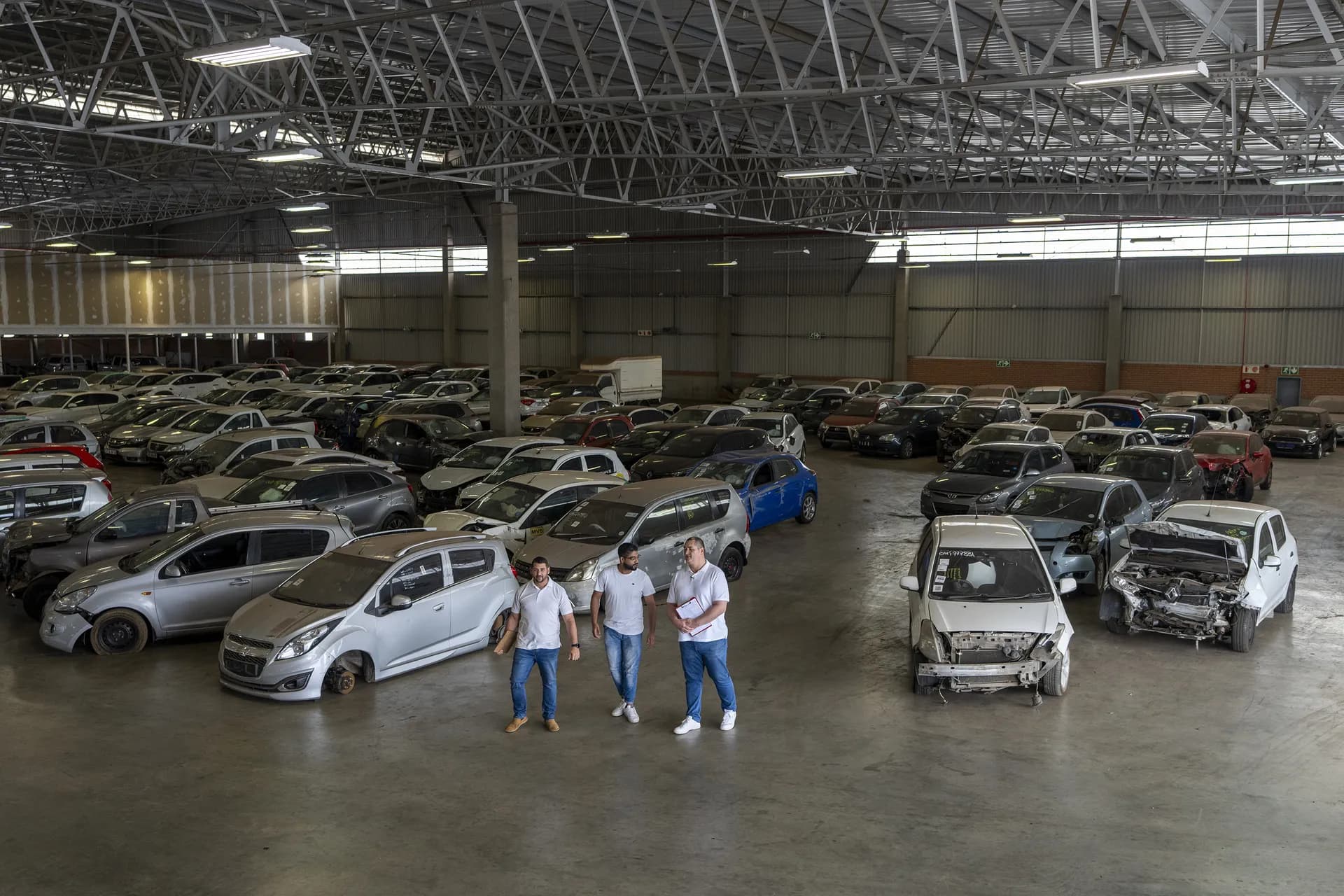
Why diesel scrap values vary
Values depend on usable diesel components, metal weight and regional demand.
Practical prep for better offers
Provide clear photos, list usable parts and disclose flood or finance status.
SA-specific paperwork notes
Confirm deregistration steps and whether free nationwide towing is included.
Overview: scrap-yard prices for diesel cars in South Africa
If you own a diesel car that is non-running, accident-damaged, flood-affected or written off, you may be considering selling to a scrap yard or salvage buyer. Scrap-yard prices for diesel cars in South Africa depend on several variables: the vehicle's make, model and year; usable components (turbo, injectors, gearbox); the weight and condition of the metal; current demand in the parts and salvage markets; and local logistics costs. Typical scrap-yard offers are estimates in R (South African rand) and can vary widely by region and buyer.
Why diesel cars can fetch different scrap values
Diesel vehicles are often valued differently from petrol cars because certain diesel-specific components remain valuable even when the car is otherwise unusable. Turbochargers, diesel injection systems, intercoolers and heavy-duty transmissions have resale demand. However, heavy corrosion, flood damage, or missing parts reduce the scrap-yard price. The scrap-yard value is therefore a mix of parts resale value and scrap metal value.
How the salvage market and local demand affect pricing
South Africa’s salvage market is regional: larger metros (Johannesburg, Cape Town, Durban) tend to have more active parts demand and thus higher offers than remote areas due to lower transport and higher turnover. For an overview of how a buyer like Sell Your Damaged Car handles valuations and collection, see our About page: About / How it works.
Quick note: figures shown in this guide are indicative ranges for South Africa (R currency) and should be treated as starting points. Exact offers require photos, vehicle details and an inspection or virtual valuation.
When to sell to a scrap yard versus repairing or selling whole
Deciding between repair, private sale, trade-in or selling to a scrap yard depends on the repair estimate versus the vehicle’s remaining market value. For many older diesel cars with substantial mechanical or structural damage, repair costs exceed what a private buyer will pay. In those cases, selling to a scrap yard or specialist salvage buyer can be faster and reduce ongoing holding costs.
Repair cost vs value retained
| Scenario | Typical repair cost (estimate) | Value retained after repair (estimate) |
|---|---|---|
| Minor body + mechanical (older diesel hatch) | R8,000-R20,000 | Low to moderate resale uplift; may not justify repair |
| Major engine or structural damage (older sedan) | R25,000 and up | Often below cost of repair; scrap/salvage sale likely better |
| Total loss / written-off (bakkies & commercial diesels) | Varies widely | High demand for usable components can boost scrap offers |
If repair estimates approach or exceed the likely resale value, a scrap-yard sale or sale to a specialist buyer that handles deregistration and collection is usually the most pragmatic choice. For selling non-running vehicles specifically, our Sell Non-Running Car page explains the streamlined process: Sell Non-Running Car.
Damage types vs typical offer impact
| Damage type | Typical effect on scrap offer |
|---|---|
| Minor exterior/bumper damage | Small impact; parts and metal still valuable |
| Engine seized or heavy internal damage | Significant reduction unless key components usable |
| Flood or corrosion | Large negative impact; electrical and interiors often unsellable |
| Missing parts / stripped | Reduces offer to metal-only value |
For a focused look at selling vehicles with visible damage, the Sell Damaged Cars resource explains common valuation factors: Sell Damaged Cars.
How the process works for selling to a scrap yard or salvage buyer
A typical process begins with you providing vehicle details, photos and the registration information. Buyers use that information to estimate parts value and scrap metal weight. A reputable buyer will explain the basis for the offer, arrange collection (often nationwide) and manage the simple administrative steps required to transfer ownership and deregister the vehicle.
South Africa-specific considerations: paperwork, deregistration and finance
In South Africa, transferring a damaged vehicle requires correct documentation. If your vehicle is still under finance, you must inform the lender because the lender typically remains the legal owner until the debt is settled. A reliable buyer will help with deregistration and paperwork, and some services include free nationwide towing. For an explanation of the full workflow we follow for collections and paperwork, see the company home page: Sell Your Damaged Car - homepage.
Practical tips to maximise your scrap-yard offer
- Provide clear, recent photos of the engine bay, underside, odometer and all damage. Good images can increase the accuracy of offers.
- Include a full parts list if known (e.g., working turbo, alternator, intact gearbox) - functioning components add value beyond metal weight.
- Disclose flood or corrosion history openly; undisclosed issues found later can reduce final payment or void agreements.
- Compare multiple offers and ask for the basis of valuation (parts value vs scrap weight). A fair buyer will itemise key value drivers.
What happens after collection
After collection, the buyer processes the paperwork and either dismantles the vehicle for usable components or recycles the metal. Payment timelines vary; some buyers release payment immediately after collection and ID verification, while others pay after processing. If you require help with deregistration, ensure the buyer explicitly confirms the steps and timelines in writing.
Example scenarios and rough price signals (estimates)
Below are illustrative scenarios to show how offers might vary. These are rough ranges for South Africa only and depend on local demand and condition.
| Diesel vehicle type | Indicative scrap offer range (R) - estimate | Primary value drivers |
|---|---|---|
| Older small diesel hatch | R1,500-R8,000 | Metal weight, usable alternator, starter |
| Mid-size diesel sedan/estate | R4,000-R15,000 | Turbo, injectors, gearbox, panels |
| Diesel bakkie / commercial vehicle | R8,000-R30,000+ | High demand parts, heavier metal mass |
Note: these ranges are illustrative and reflect typical conditions in South Africa; they are not guarantees. Always request a detailed breakdown when comparing offers.
How to verify a trustworthy buyer
- Ask for a written offer showing how the price was derived (parts vs scrap metal). Transparency builds trust.
- Confirm whether collection is included and who pays for towing - in South Africa some buyers offer free nationwide towing, which reduces your outlays.
- Check references or reviews and verify the buyer’s process for handling vehicles under finance and deregistration.
Sources
- NAAMSA - South Africa vehicle market and industry data
- AutoTrader South Africa - current used-vehicle listings and price context
- Retail Motor Industry Organisation (RMI) - consumer guidance and vehicle industry resources
If you want a more direct comparison between repair costs, parts value and salvage options, consult local salvage buyers and request itemised offers. When in doubt, compare multiple valuations and confirm collection, payment and paperwork details in writing.
Seasoned automotive specialists dedicated to helping you turn your damaged or non-running vehicle into cash fast and hassle-free.
Disclaimer: This content is for educational purposes only. Product availability, pricing, and specifications are subject to change. Always verify current details on the retailer's website before making a purchase. We may earn affiliate commissions from qualifying purchases.
Why sell your damaged car to us?

A Division of Auction Nation, the leading expert in selling damaged cars

Best price for your damaged car

Get a cash offer within 24h

We buy damaged cars in any condition

We buy accident- damaged cars still under finance

Free, no obligation offer on your vehicle
How We Calculate Your Damaged Car’s Value
Wondering how we calculate your car’s value? At Sell Your Damaged Car, we look at: Your car’s real condition, its salvage value, and the current market demand. It’s all about honesty, transparency, and fairness — that’s how we determine your offer.
Frequently Asked Questions
Get answers to common questions about Comparison And Alternatives
Why Choose Sell Your Damaged Car?
Free Towing
Need a tow? We got you
Hassle Free
Get a cash offer within 24h!
Nationwide
Somewhere remote? No problem!
