
Scrap yard price per kg for damaged cars in South Africa - what affects value
Understand scrap yard price per kg for damaged cars in South Africa, what affects offers, legal steps, and practical tips to maximise returns when selling salvage or scrap.
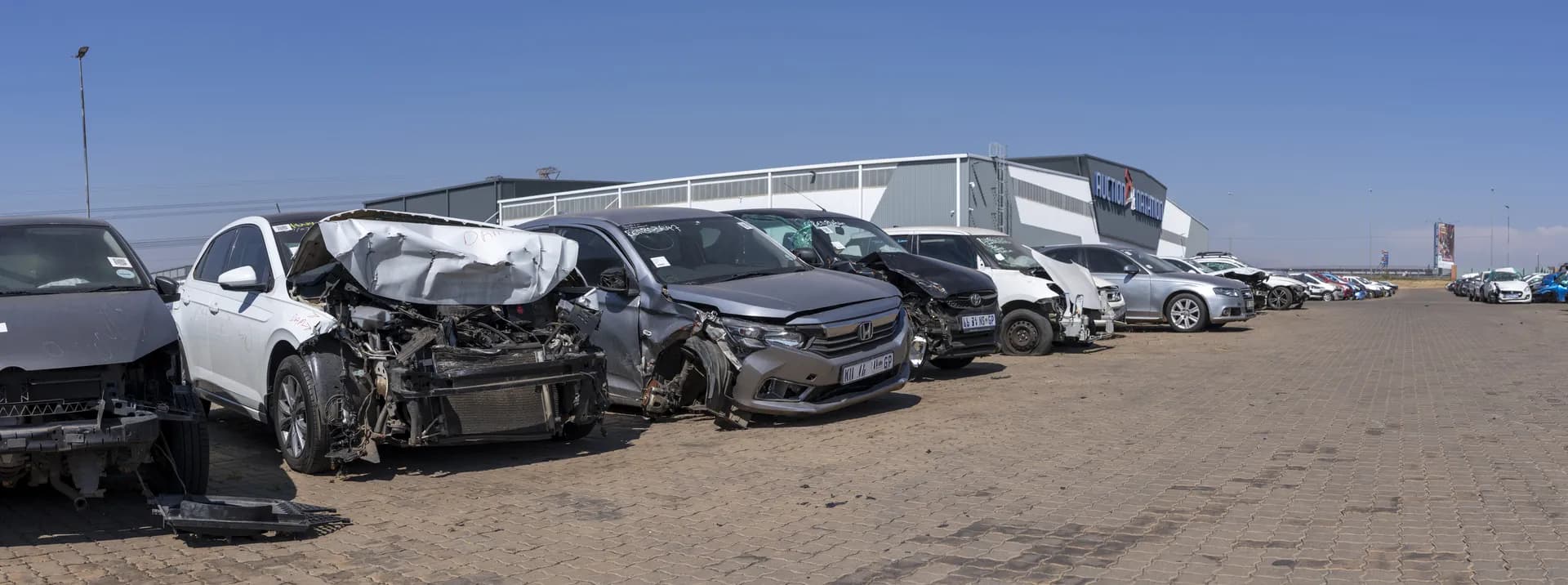
Price depends on metal & parts
Scrap-kg rates vary; reusable components can add significant value.
Compare options before selling
Get multiple scrap quotes and compare to whole-vehicle offers.
Mind paperwork & finance
Deregistering and finance settlement can affect the sale process.
Overview: scrap yard price per kg for damaged cars in South Africa
When people ask about the scrap yard price per kg for damaged cars in South Africa they are usually trying to compare options: sell to a wrecking yard by weight, sell parts, or use a specialist buyer that pays for whole damaged vehicles. Scrap yards typically pay for the recoverable metal weight (steel, aluminium), plus any value for reusable components, but rates vary with market metal prices, location and the vehicle’s condition. Prices quoted per kg are estimates and should be treated as indicative rather than fixed.
Key factors that determine scrap yard price per kg
- Metal composition: older cars often have higher steel content; aluminium parts (wheels, radiators) can lift per-vehicle value.
- Gross scrap weight: larger vehicles yield more kilograms of metal; small cars return less weight.
- Local scrap metal market: export demand and local smelter rates drive per-kg prices.
- Salvageable parts: usable engines, gearboxes, catalytic converters and electronics can be worth more than raw metal alone.
- Condition and contamination: vehicles with heavy corrosion, fuel or fluids contamination, or mixed materials may attract lower per-kg payments due to processing costs.
| Damage type | Typical impact on scrap-kg value |
|---|---|
| Totalled in accident (frame crushed) | High metal weight, parts limited - price mainly from raw metal kilograms. |
| Flood-damaged | Electronics and interiors often unusable; lower offer due to contamination costs. |
| Fire-damaged | Metal remains, but scorched components reduce reuse value; per-kg payment usually lower. |
| Non-running / mechanical failure | Engines or gearboxes may be reusable - increases total payout beyond pure scrap-kg value. |
Note: if you prefer to avoid dismantling the vehicle yourself, specialist buyers and online services can offer competitive cash for damaged cars and manage tow and paperwork-see our Sell Damaged Cars page for how whole-vehicle offers work.
Because scrap-yard price per kg fluctuates with commodities markets, yard-to-yard differences are common. In South Africa the practical choice is often between selling by the kilo to a scrap yard, parting out the vehicle privately, or selling the whole damaged car to a specialist buyer who handles towing and paperwork. Each route has different time, effort and payment profiles.
How scrap yards measure and pay
Most yards weigh the vehicle either whole (gross weight minus tare) or after initial stripping. They quote a rate based on the predominant metal (e.g., steel scrap or mixed ferrous scrap) and multiply by the weight. Some yards deduct for contamination (fluids, insulation) or charge a processing fee. If valuable parts remain (engines, catalysts), yards may offer separately. Always ask for a written breakdown of kg rate, estimated weight and any deductions.
For context on the specialist-buyer alternative and nationwide collection options, see our site’s explanation of the process on the How it works page.
When to sell to a scrap yard vs repair or sell whole
Deciding whether to sell by weight, part out the car, or sell the whole damaged vehicle depends on estimated repair costs, time, and local metal prices. If repair costs approach or exceed the car’s market value, or if the vehicle is written off, selling for scrap may be a practical option. If reusable parts are in good condition, parting out privately often yields higher total proceeds but requires time and logistics.
Repair cost vs value retained
| Scenario | Estimated repair cost (R) | Likely retained market value |
|---|---|---|
| Minor bodywork and paint | R5,000-R20,000 (estimate) | High - usually worthwhile to repair |
| Structural/frame damage | R20,000-R80,000+ (estimate) | Low - consider scrap or whole-vehicle sale |
| Flood or fire damage | Variable; often costly to restore | Often better to sell as salvage or scrap |
How the process typically works for whole-vehicle buyers and scrap yards
- Provide vehicle details: make, model, year, damage description and photos.
- Receive an indicative price: scrap yards may quote per kg; specialist buyers quote a whole-vehicle cash figure.
- Arrange inspection/collection: scrap yards may require drop-off; specialist services often offer free nationwide towing.
- Complete paperwork and payment: ensure transfer of ownership or deregistration is handled as required under South African law.
If you want to compare selling whole versus scrap-by-weight, our page on Sell Non-Running Car outlines the advantages of a single, managed sale that includes towing and admin support.
Legal & paperwork considerations in South Africa
Selling any vehicle in South Africa requires correct transfer of ownership. If the vehicle is written off and insurance is involved, you may need insurer consent. Vehicles under finance require settlement with the financier before clear ownership can be transferred; many specialist buyers will liaise with financiers but confirm responsibilities in writing. Deregistration and naTIS transfers are formalities that should be completed to avoid liability for future fines or offences.
Tips to maximise your scrap or salvage return
- Keep valuable, detachable parts that you can sell separately (wheels, battery, infotainment) unless a whole-vehicle buyer includes them in the offer.
- Clean fluids and remove personal items before collection; some yards deduct for hazardous contamination.
- Obtain multiple quotes: compare scrap-kg rates plus any parts value vs whole-vehicle offers.
- Ask for a written breakdown of how a scrap yard calculated the per-kg rate, estimated weight and any deductions.
What happens after collection
After collection, a scrap yard will process the vehicle: remove hazardous fluids, salvage reusable parts and send metal for recycling. If you sold to a specialist buyer, they may handle deregistration and confirm payment. Keep records of the transaction, the transfer document and any clearance from a financier. For an explanation of how specialist buyers handle payment and collection nationwide, see our homepage.
Practical examples
Example estimations: if a compact car yields 700-900 kg of metal, and local ferrous scrap is R2.50-R4.00 per kg (estimates only), gross metal value could range from R1,750-R3,600 before deductions and excluding parts value. These figures are illustrative: local market rates, yard deductions and the presence of valuable parts change outcomes.
Sources
- Trading Economics - Steel scrap prices (South Africa) ? market references and trends (utm_source=straider&utm_medium=referral&utm_campaign=prebo-digital)
- South African Revenue Service - tax and documentation guidance for vehicle sales (utm_source=straider&utm_medium=referral&utm_campaign=prebo-digital)
- Department of Transport South Africa - vehicle registration and transfer information (utm_source=straider&utm_medium=referral&utm_campaign=prebo-digital)
Seasoned automotive specialists dedicated to helping you turn your damaged or non-running vehicle into cash fast and hassle-free.
Disclaimer: This content is for educational purposes only. Product availability, pricing, and specifications are subject to change. Always verify current details on the retailer's website before making a purchase. We may earn affiliate commissions from qualifying purchases.
Why sell your damaged car to us?

A Division of Auction Nation, the leading expert in selling damaged cars

Best price for your damaged car

Get a cash offer within 24h

We buy damaged cars in any condition

We buy accident- damaged cars still under finance

Free, no obligation offer on your vehicle
How We Calculate Your Damaged Car’s Value
Wondering how we calculate your car’s value? At Sell Your Damaged Car, we look at: Your car’s real condition, its salvage value, and the current market demand. It’s all about honesty, transparency, and fairness — that’s how we determine your offer.
Frequently Asked Questions
Get answers to common questions about Comparison And Alternatives
Why Choose Sell Your Damaged Car?
Free Towing
Need a tow? We got you
Hassle Free
Get a cash offer within 24h!
Nationwide
Somewhere remote? No problem!
