
Scrap Vehicle Selling Tips South Africa - Maximise Value, Minimise Hassle
Practical South Africa-specific tips for selling scrap, written-off or non-running cars. Learn what to prepare, paperwork to expect and how to improve your cash offer.
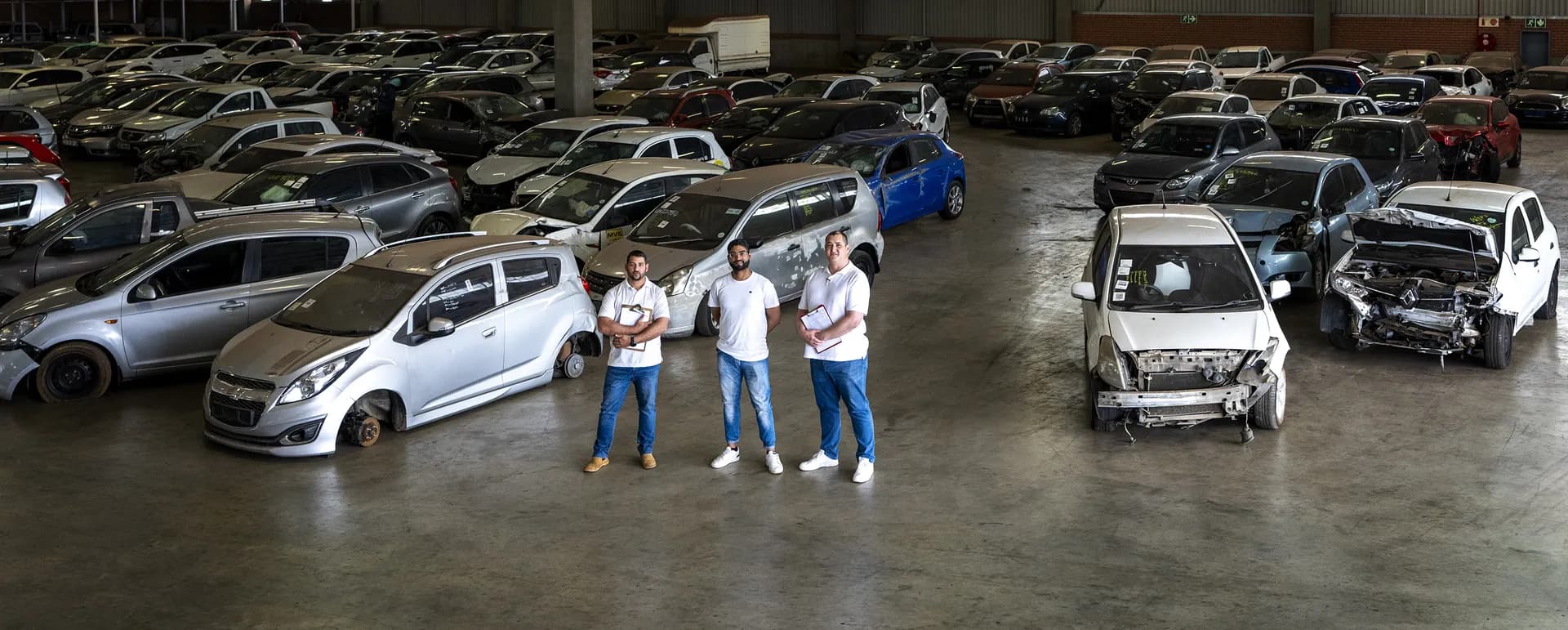
Prepare Accurate Photos
Clear multiple-angle shots speed up valuation and improve offers.
Disclose Finance & Damage
Honesty about outstanding finance and flood/fire history avoids delays.
Use a Full-Service Buyer
Free towing, paperwork handling and fast payment reduce costs and risk.
Overview: scrap vehicle selling tips in South Africa
If your car is non-running, accident-damaged, flood-affected or otherwise classified as scrap, knowing the right steps can save time and increase the cash you receive. This guide focuses on practical, local advice: paperwork requirements, realistic valuation expectations, and simple actions that often improve offers in the South African market.
Quick practical summary
Gather clear photos, confirm ownership and finance status, be honest about structural damage, and provide accurate vehicle details to get a faster, more transparent cash offer.
When to sell vs repair
Deciding whether to repair or sell a scrap vehicle depends on repair cost, retained value after repair, your need for a working car, and time. Repairing may suit newer vehicles with minor damage; selling is usually better for written-off, high-repair-cost or non-running cars.
Repair cost vs value retained (estimates for SA)
| Scenario | Typical repair estimate (R) | Value retained after repair (estimate) |
|---|---|---|
| Minor bumper, lights, paint | R3,000-R12,000 (estimate) | 80%-95% of pre-damage value |
| Moderate structural/engine repair | R15,000-R60,000 (estimate) | 50%-80% of pre-damage value |
| Severe write-off / salvage | Often exceeds market value | 25%-50% of pre-damage value (parts/salvage) |
These ranges are illustrative and depend on make, model, year and regional labour costs. For many older vehicles where repair exceeds 40%-60% of value, selling as scrap is often the more economical choice.
How the selling process typically works
A straightforward, professional scrap sale usually follows these steps: provide vehicle details and photos, receive a transparent cash offer, accept if suitable, then arrange collection and paperwork. Using a specialist service reduces delays and towing costs.
What to prepare before you request a quote
- Photos from multiple angles (overall vehicle, close-ups of damage and interior).
- Vehicle details: make, model, year, VIN/chassis, mileage and keys (if available).
- Documentation: registration papers and proof of ID. Note outstanding finance-disclose it upfront.
- Be honest about flood, fire or structural damage - accurate descriptions speed up the offer process.
If your vehicle won’t start, look at specialist pages like Sell Non-Running Car for tailored advice and quick valuation options. For accident-damaged vehicles, consult the Sell Damaged Cars guidance to understand typical offer drivers.
Legal & paperwork in South Africa
Completing the legal transfer correctly protects you. Key points for South Africa: the registered owner must sign transfer documents; if the car is under finance, you must inform your lender and settle or assign the debt; and deregistration for scrap/salvage should be handled promptly to avoid liability.
Common paperwork checklist
- South African ID and a copy of the registration document (vehicle licence).
- Signed transfer of ownership forms or a letter of authority if a third party handles sale.
- Clear disclosure of finance or outstanding agreements.
- Deregistration paperwork if vehicle is written off - professionals often include this in their service.
Tips to maximise your scrap vehicle offer
Small, low-cost actions often increase offers significantly. Below are actionable tips tailored to South African sellers.
Practical tips
- Provide clear, honest photos - include VIN/chassis and odometer shots where possible.
- Remove personal items and lockable accessories; present the vehicle as you would for a trade valuation.
- Keep receipts for recent parts or maintenance - documented recent work can be a small uplift.
- Be transparent about outstanding finance. A reputable buyer will explain settlement options rather than reject the sale.
- Compare 2-3 offers where possible; a specialist that arranges free towing and handles paperwork often delivers the best net outcome after costs.
Damage types vs typical offer impact
| Damage type | Typical impact on offers |
|---|---|
| Surface cosmetic (bumper, paint) | Minor impact if repaired cheaply; honest photos reduce valuation variance |
| Engine or gearbox failure | Significant reduction - buyers price for parts or rebuild risk |
| Structural/frame damage | Large reduction; often treated as salvage or write-off |
| Flood or fire damage | Major impact due to hidden faults - full disclosure is essential |
What happens after collection
After you accept an offer and collection is scheduled, expect the buyer to verify condition, complete transfer paperwork and arrange free towing if included. Payment timing varies; many reputable services provide near-instant payment verification on collection.
For a clearer view of the full service flow and national coverage, review the company process for steps such as offer generation, paperwork handling and towing logistics on the About / How it works page and the homepage.
Example scenarios (South Africa)
Example 1: Johannesburg - a 2008 hatchback with a written-off front end where repair exceeds R40,000. Selling as scrap avoids arranging expensive repairs, storage fees and uncertain private-sale outcomes. Example 2: Cape Town - a flood-affected sedan with working engine but electrical faults; disclosing flood damage upfront helps a buyer assess salvageable parts value quickly. Figures are illustrative and shown in R to reflect local costs; actual offers depend on condition and market demand.
Sources
Seasoned automotive specialists dedicated to helping you turn your damaged or non-running vehicle into cash fast and hassle-free.
Disclaimer: This content is for educational purposes only. Product availability, pricing, and specifications are subject to change. Always verify current details on the retailer's website before making a purchase. We may earn affiliate commissions from qualifying purchases.
Why sell your damaged car to us?

A Division of Auction Nation, the leading expert in selling damaged cars

Best price for your damaged car

Get a cash offer within 24h

We buy damaged cars in any condition

We buy accident- damaged cars still under finance

Free, no obligation offer on your vehicle
How We Calculate Your Damaged Car’s Value
Wondering how we calculate your car’s value? At Sell Your Damaged Car, we look at: Your car’s real condition, its salvage value, and the current market demand. It’s all about honesty, transparency, and fairness — that’s how we determine your offer.
Frequently Asked Questions
Get answers to common questions about Tips And Advice
Why Choose Sell Your Damaged Car?
Free Towing
Need a tow? We got you
Hassle Free
Get a cash offer within 24h!
Nationwide
Somewhere remote? No problem!
