
Scrap Value for Bakkies vs Small Cars: What South African Sellers Should Know
Compare scrap-value-for-bakkies-vs-small-cars in South Africa. Learn the factors that drive offers, legal steps, and practical tips to maximise cash from damaged or non-running vehicles.
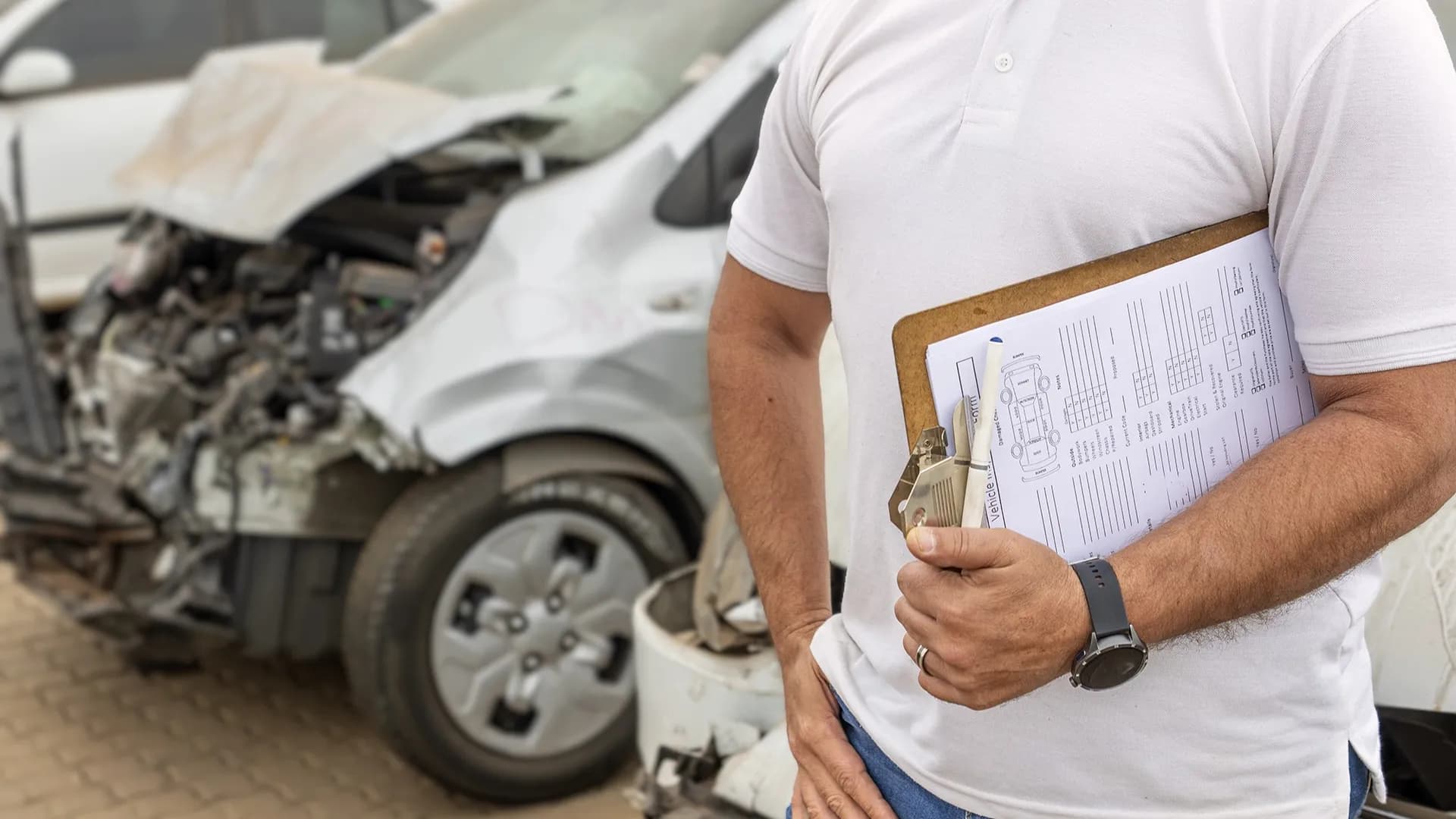
Bakkies Typically Weigh More
Higher metal mass and certain parts often increase salvage interest.
Small Cars Depend on Parts
Catalytic converters and intact engines can lift offers for small cars.
Handle Paperwork & Towing
Using a buyer that manages towing and deregistration improves net proceeds.
Overview: scrap-value-for-bakkies-vs-small-cars in South Africa
When a vehicle is beyond economical repair, owners often consider selling it for scrap. Scrap value depends on metal weight, usable components, demand in the salvage market and logistics. In South Africa, bakkies (pickups) and small cars typically attract different scrap valuations because bakkies are heavier and often contain higher-demand parts (e.g., tray components, suspension, and turbo diesel engines) while small cars can be cheaper to tow and may have more recyclable interior plastics.
Key factors that affect scrap value
- Vehicle weight and metal content (bakkies usually weigh more)
- Market demand for parts (engine, gearbox, door assemblies)
- Condition and extent of damage (frame damage reduces value)
- Salvageable non-metal components (catalytic converters, batteries)
- Costs of collection/towing and local scrap metal prices
Typical differences: bakkies vs small cars
Bakkies tend to retain higher scrap base value because of greater metal mass and demand from parts buyers and small trade workshops. Small cars may fetch reasonable offers when key components (engine, gearbox, catalytic converter) are intact, but overall scrap weight is lower. Remember that all figures are illustrative: actual cash offers vary by model, year and condition; examples below use R as the currency and are approximations.
Repair cost vs value retained
| Scenario | Typical repair cost (estimate) | Value retained after repair (estimate) |
|---|---|---|
| Write-off bakkie (structural/frame damage) | R40,000-R120,000 | Often less than pre-accident market value; repair rarely justified |
| Non-running small car (engine seized) | R12,000-R50,000 | May retain 30-60% of market value if repaired (highly variable) |
| Flood-damaged vehicle (any type) | R20,000-R80,000+ | Often heavily discounted; many sell to salvage buyers |
Note: Repair cost ranges are broad and depend on parts availability and labour in regions such as Johannesburg, Cape Town and Durban. Always compare repair estimates against potential scrap or salvage offers.
If you want a clear view of what we buy and how offers are calculated, read about our criteria on the Sell Damaged Cars page. For background on our approach and nationwide service, see our About / How it works page.
When to sell for scrap vs repair
Deciding whether to repair or sell for scrap is a comparison of expected repair costs, the post-repair market value, and non-financial factors (time, safety, reliability). Consider selling when:
- Repair estimates approach or exceed the vehicle’s post-repair market value
- Structural/frame damage compromises safety or insurance classification
- The vehicle is non-running and spare parts are expensive or scarce
- You prefer a fast, low-hassle outcome (collection and paperwork handled)
South Africa-specific considerations
In SA, deregistration and salvage paperwork can influence the net amount you receive. Vehicles under finance must be discussed with the financier; many sellers clear the outstanding balance from the proceeds. For non-running or written-off cars, selling to a specialist who handles towing and paperwork avoids additional costs and delays that private sales often incur.
How the process works when you sell for scrap
A typical streamlined process for turning a bakkie or small car into cash involves: submitting vehicle details and photos, receiving an offer based on condition and salvage demand, accepting the offer, and scheduling collection. The buyer arranges free towing, handles paperwork (including deregistration where applicable) and releases payment once collection is complete. For details on submitting non-running vehicles, see our Sell Non-Running Car page.
Damage types vs typical offer impact
| Damage type | Impact on offer |
|---|---|
| Frame/structural damage | Significantly reduces repair viability; often sold for parts or scrap |
| Engine/gearbox intact | Boosts offers - valuable to dismantlers for re-use |
| Flood-damaged | Offers can be steeply discounted due to electrical and corrosion risks |
| Catalytic converter missing | Reduces value; converters are high-demand components |
Legal & paperwork in South Africa
When selling a damaged vehicle, ensure the following steps are addressed: verify ownership and ID, disclose finance or encumbrances, complete a written sale agreement, and process deregistration where required. If the car is financed, contact the financier before finalising. Specialist buyers often manage deregistration and transfer paperwork for you, reducing administrative burden. Our national service covers collection from Johannesburg, Cape Town, Durban and surrounding regions and includes paperwork assistance to help with deregistration and transfer compliance.
Tips to maximise your scrap offer
- Provide clear photos of the whole vehicle and close-ups of damage and VIN/chassis plate.
- List working components (e.g., aircon, stereo, engine start) - intact parts raise offers.
- Disclose service history and recent repairs; honest descriptions build trust and avoid delays.
- Remove personal items and keep keys/documentation available to speed collection.
- Compare offers from specialists who handle towing and paperwork to avoid hidden transport costs.
What happens after collection
After collection, the buyer will dismantle reusable parts, recycle metal, and complete any necessary deregistration. Payment is typically released and verified once collection is confirmed. If the vehicle was under finance, proceeds may be used to settle the account first; ensure you have clear documentation. For a full overview of our national collection and payment steps, visit our homepage.
Practical examples (estimates)
Example 1: A late-model single-cab bakkie with salvageable engine and drivetrain may attract stronger interest from dismantlers than a comparable small car because of heavier metal and demand for specific parts - exact figures vary by model, region and condition (estimates can range widely; consult local offers).
Example 2: A compact small car with an intact catalytic converter and working gearbox may receive a competitive cash offer from recyclers even if the body is damaged, because the converter and mechanicals retain value.
Sources
- NAAMSA - National motor industry statistics and market context
- AutoTrader South Africa - vehicle listings and valuation context
- Department of Transport South Africa - regulations and vehicle registration guidance
Final note: scrap-value-for-bakkies-vs-small-cars is influenced by many moving parts - vehicle specifics, salvage demand and regional logistics. Comparing offers and using a buyer who provides free towing and paperwork handling reduces hassle and helps you receive a fair, transparent cash outcome.
Seasoned automotive specialists dedicated to helping you turn your damaged or non-running vehicle into cash fast and hassle-free.
Disclaimer: This content is for educational purposes only. Product availability, pricing, and specifications are subject to change. Always verify current details on the retailer's website before making a purchase. We may earn affiliate commissions from qualifying purchases.
Why sell your damaged car to us?

A Division of Auction Nation, the leading expert in selling damaged cars

Best price for your damaged car

Get a cash offer within 24h

We buy damaged cars in any condition

We buy accident- damaged cars still under finance

Free, no obligation offer on your vehicle
How We Calculate Your Damaged Car’s Value
Wondering how we calculate your car’s value? At Sell Your Damaged Car, we look at: Your car’s real condition, its salvage value, and the current market demand. It’s all about honesty, transparency, and fairness — that’s how we determine your offer.
Frequently Asked Questions
Get answers to common questions about Comparison And Alternatives
Why Choose Sell Your Damaged Car?
Free Towing
Need a tow? We got you
Hassle Free
Get a cash offer within 24h!
Nationwide
Somewhere remote? No problem!
