
Scrap Value for Flood-Damaged Car in KwaZulu-Natal - What Owners Should Know
Learn how flood damage affects scrap value in KwaZulu-Natal, repair vs sell decisions, paperwork in South Africa, and practical steps to get a fair salvage outcome.
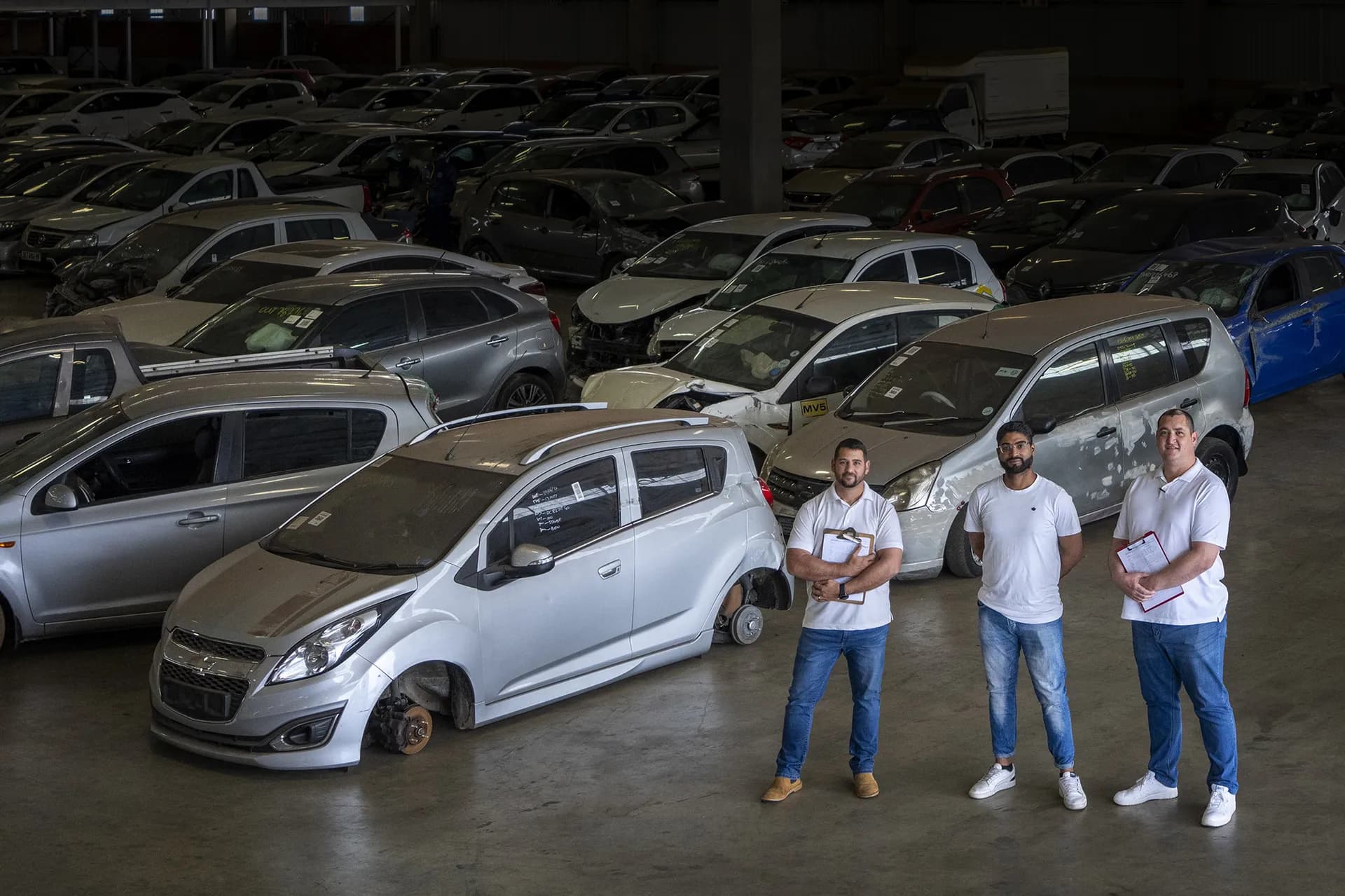
Damage affects value
Water intrusion severity and affected systems drive scrap offers and repair viability.
Check paperwork
Finance, ownership and deregistration affect how a flood-damaged car can be sold.
Compare local offers
KwaZulu-Natal salvage demand, towing and parts markets shape realistic values.
Overview: scrap value for flood-damaged car in KwaZulu-Natal
If your vehicle was affected by the KwaZulu-Natal floods, you may be weighing repair versus selling for scrap. The scrap value for a flood-damaged car depends on the severity of water intrusion, electrical and mechanical damage, vehicle age, make and model, and local salvage demand. In South Africa, flood-impacted vehicles often enter the salvage supply chain where parts, metal and core components determine the market value.
Values vary by region and demand; KwaZulu-Natal (including Durban and surrounding towns) has active scrap and panel-beating markets, but high repair risk reduces offers compared with undamaged vehicles. Estimates shown below are illustrative ranges and should be treated as examples, not offers.
When to consider selling rather than repairing
- If repair costs exceed a significant portion of the vehicle’s pre-flood market value (for example, repairs estimated at over 50% of the car’s market value), selling for scrap is often the practical choice.
- If electrical systems, engine internals or the gearbox were submerged, long-term reliability is uncertain even after repairs.
- If the car is already written off by an insurer, the vehicle’s salvage or scrap route typically offers a quicker resolution than private repair efforts.
Note: Vehicles under finance may need lender approval before sale or transfer; this affects how scrap value is handled and whether the lender holds title until the debt is settled.
Repair cost vs value retained (example ranges, South Africa)
| Typical repair estimate | Likely value retained after repair |
|---|---|
| Minor interior water (carpets, sensors): R5,000 - R20,000 | 60%-80% of pre-flood market value (age-dependent) |
| Moderate damage (electrical, ECU, brakes): R20,000 - R60,000 | 40%-65% of pre-flood market value |
| Severe engine/gearbox or full submersion: R60,000+ | Repair often uneconomic; scrap/salvage route common |
These ranges reflect typical South African repair rates and used-car values; exact figures depend on the vehicle and labour/parts availability in KwaZulu-Natal. If repairs approach or exceed the second column ranges, many owners choose scrap or salvage sale.
How different flood damage types affect scrap offers
| Damage type | Typical impact on scrap/salvage offer |
|---|---|
| Interior-only (floor, carpets) | Low reduction; usable parts and panels retain value |
| Electrical & ECU damage | Significant reduction; buyers factor replacement cost and reliability |
| Engine/gearbox submersion | Major reduction; often sold for parts or scrap metal only |
For region-specific guidance on selling damaged vehicles and how offers are calculated, our informational pages explain the process and typical inclusions. See the Sell Damaged Cars overview and How it works for service details specific to South Africa.
How the selling process typically works in KwaZulu-Natal
A straightforward salvage or scrap sale usually follows these steps: document the vehicle condition with photos, obtain a valuation or offer from a buyer, agree collection logistics, complete ownership paperwork, and receive payment. Many buyers serving KwaZulu-Natal offer free towing from Durban and surrounding areas and assist with paperwork such as deregistration.
Legal & paperwork considerations in South Africa
When selling a flood-damaged vehicle in South Africa, check the following:
- Proof of ownership and ID are required for transfer; vehicles under finance may require a settlement letter from the lender.
- Deregistration or transfer of ownership must follow official procedures - many professional buyers assist with this to reduce errors and delays.
- Honest disclosure of flood damage is important: undisclosed serious damage can create legal or warranty disputes later.
Tips to maximise your scrap or salvage offer
- Provide clear photos showing the waterline, interior and engine bay; accurate descriptions speed up valuation.
- Quote any recent maintenance history or receipts-some salvage buyers value serviceable components higher.
- If the car is non-running, note accessibility and parking location; free towing from central Durban, Pietermaritzburg and wider KZN can improve buyer interest.
- Compare offers from specialist salvage buyers and scrapyards; choose a buyer that provides clear paperwork help and verified payment methods.
What happens after collection
After collection, vehicles typically follow one of three routes: parting-out (usable components are resold), repair and resale in the wholesale salvage market, or recycling for metal. The chosen route depends on damage severity and demand for parts for the specific make/model. Professional buyers handling South African paperwork often process deregistration and confirm payment transfer to the seller's bank account.
Local considerations for KwaZulu-Natal owners
In KZN, proximity to Durban’s ports and scrap yards can influence offers-metal recycling demand and parts salvageability are regional factors. If you want more detail on selling non-running vehicles or cars with heavy water damage, see the Sell Non-Running Car page and our main homepage for service coverage across South Africa.
Practical examples and estimated ranges
Example scenario: a mid-2010s family sedan with cabin-only water damage may face R5,000-R25,000 in repair costs; depending on condition, owners might retain 60%-80% of pre-flood market value after repair. By contrast, a fully submerged SUV with engine water ingress often has repair estimates above R60,000 and is commonly directed to salvage or scrap. These are indicative examples for South Africa and should be validated with a professional inspection.
Sources
- Department of Transport - official guidance on vehicle registration and transfer
- AA South Africa - advice on flood-damaged vehicles and buying salvaged cars
- News24 - regional reporting on KwaZulu-Natal floods and impacts
If your vehicle was affected by the KwaZulu-Natal floods, collecting clear documentation (photos, insurer correspondence, finance statements if relevant) and seeking multiple valuations will help you choose the most appropriate route-repair, salvage sale or scrap. Professional buyers who offer free towing and paperwork support can simplify the process and reduce the administrative burden.
Seasoned automotive specialists dedicated to helping you turn your damaged or non-running vehicle into cash fast and hassle-free.
Disclaimer: This content is for educational purposes only. Product availability, pricing, and specifications are subject to change. Always verify current details on the retailer's website before making a purchase. We may earn affiliate commissions from qualifying purchases.
Why sell your damaged car to us?

A Division of Auction Nation, the leading expert in selling damaged cars

Best price for your damaged car

Get a cash offer within 24h

We buy damaged cars in any condition

We buy accident- damaged cars still under finance

Free, no obligation offer on your vehicle
How We Calculate Your Damaged Car’s Value
Wondering how we calculate your car’s value? At Sell Your Damaged Car, we look at: Your car’s real condition, its salvage value, and the current market demand. It’s all about honesty, transparency, and fairness — that’s how we determine your offer.
Frequently Asked Questions
Get answers to common questions about Damage Types
Why Choose Sell Your Damaged Car?
Free Towing
Need a tow? We got you
Hassle Free
Get a cash offer within 24h!
Nationwide
Somewhere remote? No problem!
