
Scrap SUV Price Comparison South Africa - What Affects Cash Offers
Compare scrap SUV price drivers in South Africa, see typical ranges in R, and learn paperwork, towing and parts-value tips to maximise offers.
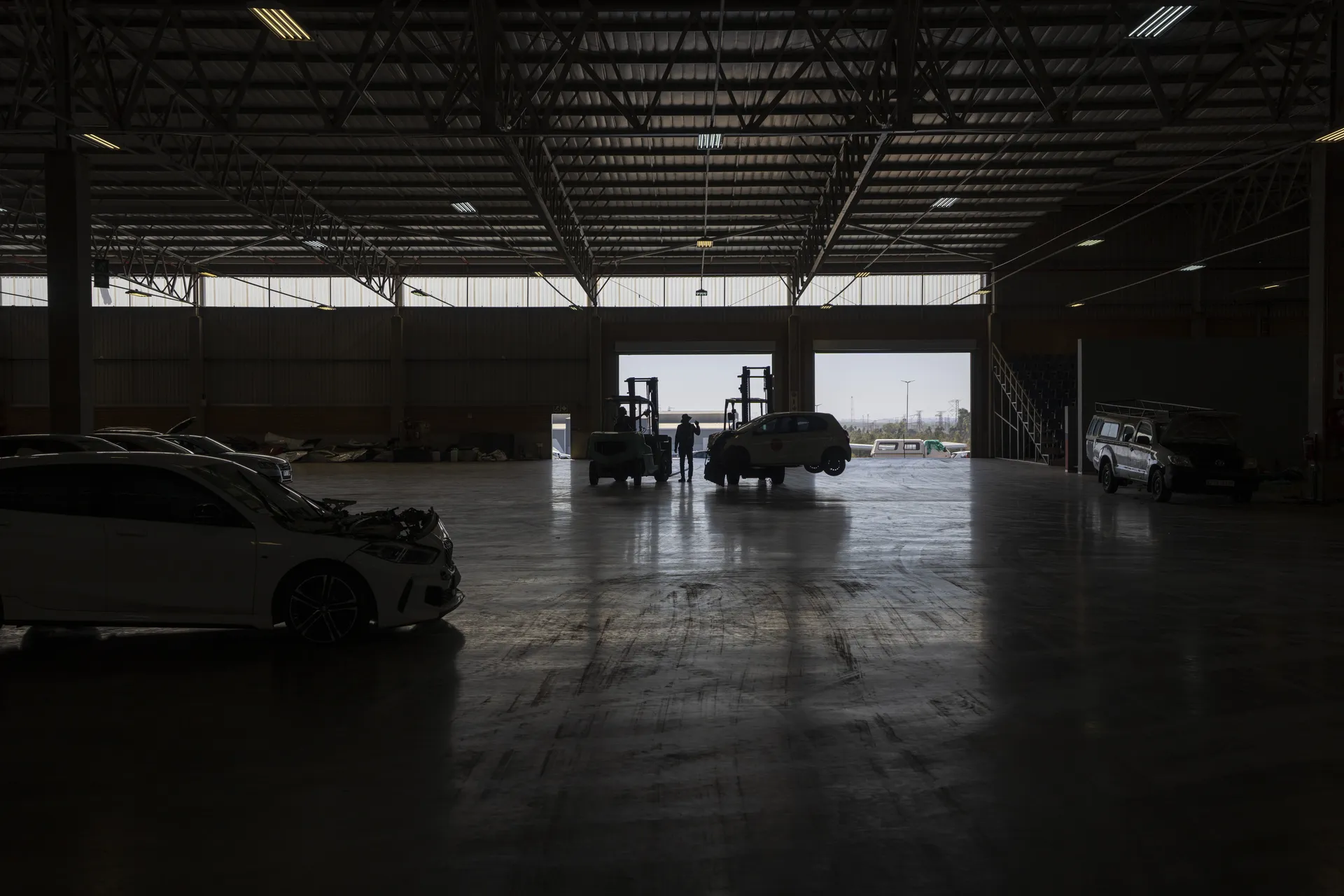
What Drives Scrap SUV Prices
Offers depend on parts value, metal weight and towing/logistics costs.
Compare Offers Carefully
Check net value after free towing and paperwork handling are included.
Know When to Scrap
If repair costs approach market value, scrap or salvage sale often makes sense.
Overview: scrap SUV price comparison in South Africa
If you own an SUV that is written off, non-running or being considered for scrap, it's useful to compare likely prices before you decide whether to repair, sell to a private buyer, or sell for scrap. This guide explains the main drivers of scrap SUV price comparisons in South Africa, gives practical examples in R (estimates are ranges), and shows how market demand, parts value and logistics change offers. For a streamlined sale process you can compare offers then use our online valuation and collection services.
How scrap value is calculated
Scrap price for an SUV in South Africa typically depends on three broad components: recyclable metal weight (primarily steel and aluminium), usable parts and components (engine, transmission, electronics, airbags, body panels), and logistical costs (towing, storage, paperwork). Dismantlers and salvage buyers will deduct dismantling labour, transport and disposal fees before arriving at a cash offer.
Typical price ranges (indicative)
Ranges vary by vehicle age, size and condition. As an indication only (estimates, not quotations): compact SUVs with limited salvageable parts may attract offers around R3,000-R12,000; mid-size SUVs with reusable components R8,000-R35,000; large or luxury SUVs with high-value parts R20,000-R70,000. These are broad ranges-specific offers depend on model, model year, and demand for parts in South Africa.
Note: Prices above are illustrative. Always get at least two independent offers. For a quick comparison you can submit details and photos using the online valuation form on our homepage to see a transparent offer.
Repair cost vs value retained
| Scenario | Estimated repair cost (R) | Typical market value retained after repair (R) | When to scrap |
|---|---|---|---|
| Minor body damage, running | R5,000-R20,000 | R80,000-R250,000 | Repair if cost < ~20% of value |
| Structural/frame damage | R30,000-R120,000+ | R40,000-R200,000 | Often better to sell for salvage/scrap |
| Mechanical total loss (engine/transmission) | R20,000-R100,000 | R30,000-R180,000 | Compare repair vs parts resale offers |
Use the table above to do an initial cost-benefit check: if repair costs approach or exceed the SUV's repaired market value, a scrap or salvage sale often makes better financial sense. For vehicles that do not run, consider the convenience of a service that offers free towing and handles paperwork to avoid extra transport costs.
For owners of non-running SUVs, our dedicated page on Sell Non-Running Car explains tailored valuation and collection steps that are frequently used in scrap scenarios.
When scrap vs repair makes sense - practical examples
Example 1: 2010 compact SUV with front-end damage and a seized engine. Market value before damage R70,000. Estimated repair R60,000. Typical scrap/parts offer R10,000-R18,000. Because repair costs are close to pre-accident value, selling for salvage or scrap is often the lower-risk choice.
Example 2: 2018 mid-size SUV with cosmetic damage and a working drivetrain. Pre-damage value R280,000. Repair estimate R12,000. Retained value after repair R260,000. Repairing and selling privately or via trade is generally preferable; scrapping would yield a much lower return.
Damage types vs typical offer impact
| Damage type | Typical impact on scrap offer | Notes for SA market |
|---|---|---|
| Engine/transmission failure | Large reduction unless parts still usable | High local demand for running engines increases offer |
| Structural/frame damage | Significant reduction; often classed salvage | Many buyers avoid repairable structural units |
| Cosmetic/fender damage | Minor to moderate impact | Panels and ancillaries can fetch decent parts value |
| Flood or fire damage | Severe reduction; electrical components may be useless | Salvage demand depends on extent and contamination |
Legal and paperwork considerations in South Africa
When selling for scrap or salvage in South Africa, confirm ownership and check whether the vehicle is still under finance. Vehicles under finance require lender consent before transfer or collection; failing to disclose a finance agreement can delay payment or collection. Deregistration and transfer paperwork is part of a robust sale-many scrap buyers deduct for admin or refuse collection until documents are in order.
Our approach includes handling paperwork and assisting with deregistration, helping owners in Johannesburg, Cape Town, Durban and surrounding areas avoid delays. For more details on how we manage administration and collection, see our About / How it works page and the dedicated Sell Damaged Cars information for further reading.
Tips to maximise a scrap SUV offer
- Supply clear photos of damage and VIN - buyers rate transparency and may increase offers.
- List recent service history and whether key components (engine, gearbox, ABS module) are working.
- Disclose finance status early; arranging lender consent speeds up payment and collection.
- Compare at least two offers and factor in free towing and paperwork handling when evaluating net value.
What happens after you accept an offer
Once you accept a scrap or salvage offer, the usual steps are: paperwork verification and signing, scheduling free towing (nationwide), collection, and payment processing. Expect payment timelines to vary depending on settlement checks and any lender requirements. Using a buyer that handles collection and deregistration reduces extra costs and delays.
Sources
Seasoned automotive specialists dedicated to helping you turn your damaged or non-running vehicle into cash fast and hassle-free.
Disclaimer: This content is for educational purposes only. Product availability, pricing, and specifications are subject to change. Always verify current details on the retailer's website before making a purchase. We may earn affiliate commissions from qualifying purchases.
Why sell your damaged car to us?

A Division of Auction Nation, the leading expert in selling damaged cars

Best price for your damaged car

Get a cash offer within 24h

We buy damaged cars in any condition

We buy accident- damaged cars still under finance

Free, no obligation offer on your vehicle
How We Calculate Your Damaged Car’s Value
Wondering how we calculate your car’s value? At Sell Your Damaged Car, we look at: Your car’s real condition, its salvage value, and the current market demand. It’s all about honesty, transparency, and fairness — that’s how we determine your offer.
Frequently Asked Questions
Get answers to common questions about Comparison And Alternatives
Why Choose Sell Your Damaged Car?
Free Towing
Need a tow? We got you
Hassle Free
Get a cash offer within 24h!
Nationwide
Somewhere remote? No problem!
