
Scrap Price for Accident-Damaged Car in SA - What Owners Should Expect
Learn how scrap prices for accident-damaged cars in South Africa are set, what affects value, paperwork, and practical tips to maximise your outcome.
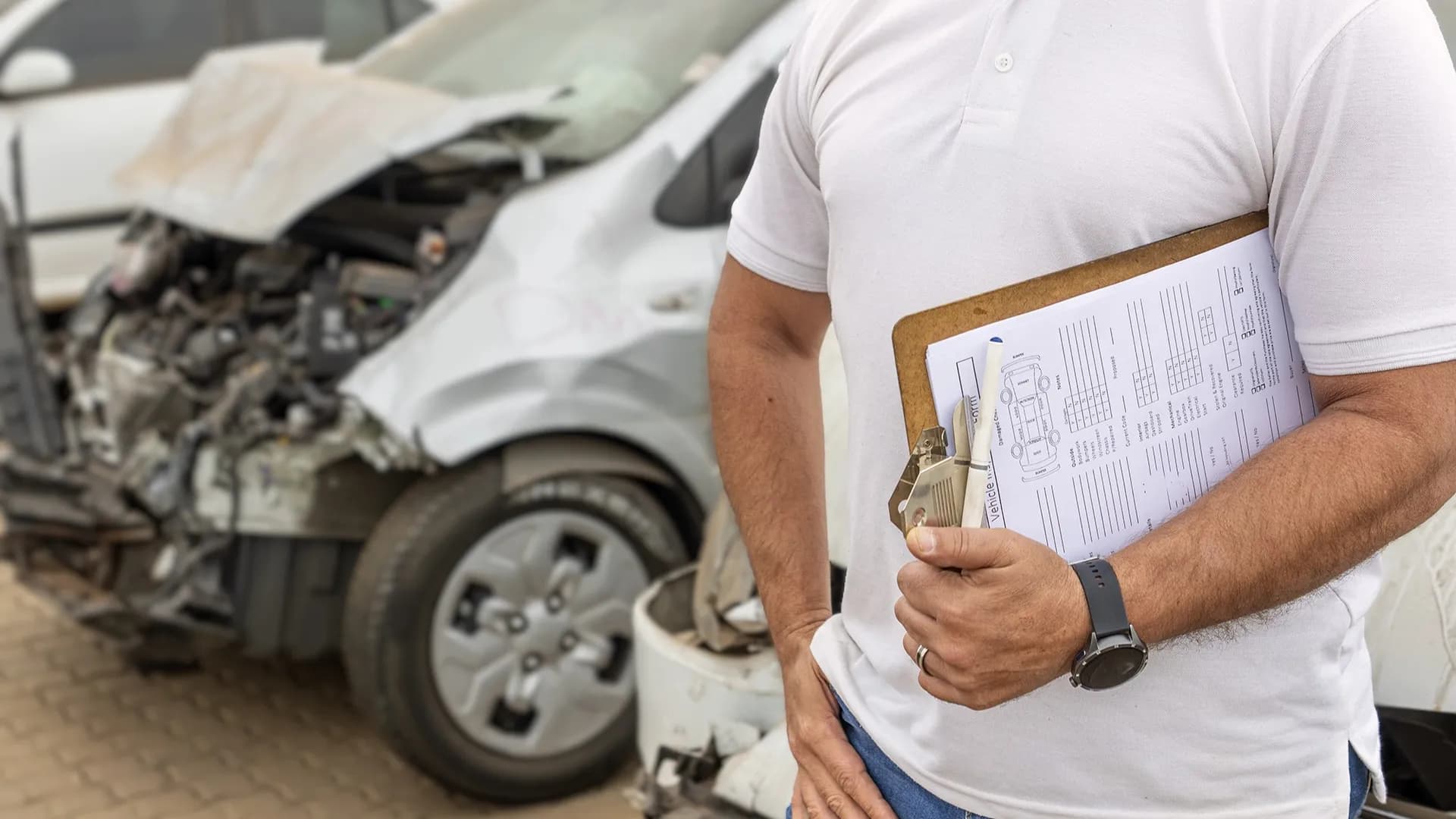
What Drives Scrap Price
Condition, parts demand and local logistics determine scrap-value ranges.
Repair vs Scrap Decision
Compare repair estimates with likely salvage outcomes and time costs.
Paperwork & Collection Help
Deregistration, finance disclosure and free towing affect net proceeds.
Overview: understanding scrap price for an accident-damaged car in SA
When a vehicle is accident-damaged, owners frequently search for the likely scrap price to decide whether to repair, sell to a breaker, or sell whole to a buyer. Scrap value in South Africa depends on the vehicle's make, model, age, remaining reusable parts, the severity of structural damage, and current scrap-metal/parts demand in local markets. This guide explains the factors that influence a scrap-price for an accident-damaged car in SA and practical steps to protect your interests.
Quick note
Scrap price is not a fixed market rate: it is a valuation based on condition and salvage demand. For many owners, selling as salvage or to a specialist can be faster and lower-risk than attempting private repair or trade-in.
Key factors that determine scrap price
- Extent of damage: structural/frame damage reduces usable parts and resale value more than cosmetic damage.
- Parts demand: popular models often retain higher salvage value due to replacement-part demand.
- Vehicle age and mileage: older vehicles with high mileage usually attract lower offers.
- Engine & transmission condition: intact driveline components significantly preserve salvage value.
- Local scrap metal and parts market prices: prices vary by region and over time.
When to sell vs repair
Deciding to repair or sell for scrap depends on the repair cost relative to the car's pre-accident market value and the time and risk involved in repairs. If estimated repairs approach or exceed a large portion of the pre-accident value, many owners opt to sell as salvage. Consider also downtime, safety of repairs, and whether your insurer has deemed the car a write-off.
| Repair cost estimate (R) | Typical retained value after repair (estimate) | Decision guidance |
|---|---|---|
| R5,000 - R20,000 | 70%-95% of pre-accident retail value (varies by model) | Repair usually economical for newer, low-mileage cars |
| R20,000 - R50,000 | 40%-75% of pre-accident retail value | Consider repair only for vehicles with high residual value; otherwise consider salvage sale |
| R50,000+ | Often under 50% of pre-accident retail value | Scrapping or selling to a specialist is frequently the pragmatic choice |
These figures are illustrative estimates for South Africa and will vary by vehicle; repair quotes should be obtained locally. If you are weighing options, review documented repair estimates and compare them with salvage offers and the broader market context.
Where to get reliable scrap-price indications
Start with a few specialist salvage buyers and breakers who can assess photos and give indicative ranges. Use trusted valuation resources for market context, and compare offers that include removals and paperwork support. For information on how a specialist handles collection, paperwork and payment, see our overview of how the process works on the About / How it works page and details on selling damaged vehicles at the Sell Damaged Cars page.
How the process works for selling an accident-damaged car
A typical salvage sale path follows simple steps: collect clear photos and accurate details, request an indicative valuation, accept a written offer if it suits your needs, arrange collection (often included), complete transfer/deregistration paperwork, and receive payment after verification. Many reputable buyers handle towing and documentation nationwide, including cities such as Johannesburg, Cape Town and Durban.
Step-by-step (what to prepare)
- Photos: multiple angles, close-ups of damage, engine bay and VIN/number plate images.
- Documents: vehicle registration papers and proof of ownership; disclose any finance or outstanding balances.
- Accident report: if you have a police or insurer report, include it - this speeds verification.
Legal & paperwork in South Africa
Key legal points for South African owners: ensure you have the vehicle registration document and valid ID. If the vehicle is under finance, you must disclose this: the finance provider usually needs to be paid or formally release the vehicle before full transfer. Deregistration or transfer of a written-off vehicle is governed through local licensing authorities and national traffic systems; many salvage buyers assist with deregistration and transfer forms to reduce owner paperwork. If an accident was reported to the police, keep a copy of the SAPS case number for records.
| Damage type | Typical impact on scrap offers | Buyer focus |
|---|---|---|
| Cosmetic/bumper damage | Low to moderate reduction | Parts resale (panels, lights) |
| Mechanical failure (engine/transmission) | Moderate to high reduction unless major components intact | Component buyers, core return value |
| Structural/frame damage | High reduction | Scrap metal, limited parts resale |
| Flood or fire damage | High reduction; electrical & interior components often lost | Selective parts, salvage for metals |
Tips to maximise your scrap-price
- Provide clear, honest photos and an accurate description to reduce valuation adjustments.
- Keep sale paperwork organised: registration book, ID and any service history improve buyer confidence.
- Disclose finance early: unresolved finance can delay payment and transfer.
- Compare a few specialist offers rather than accepting the first approach - but prioritise buyers who include towing and paperwork support.
For owners of non-running cars, see specific guidance on selling non-running vehicles at the Sell Non-Running Car resource. For a broader view of options and how a specialist buyer handles collection and payment nationally, review the company homepage for service scope and coverage on the Sell Your Damaged Car homepage.
What happens after collection
After collection, reputable buyers undertake paperwork verification and complete transfer or deregistration steps. Payment timing varies by buyer and whether finance checks are required; many services offer fast payment after verification. The vehicle then either goes to a dismantler for parts resale or to a scrap-metal processor depending on the condition and buyer strategy. Expect written confirmation of collection and transfer steps for your records.
Final considerations: market conditions and regional differences can change scrap-price ranges. For instance, parts demand in major metros like Johannesburg, Cape Town or Durban can be higher for popular models, while remote areas may attract different logistics costs. Always compare written offers and account for inclusions such as free towing and paperwork assistance when assessing the net outcome.
Sources
- South African Department of Transport - official transport information
- South African Police Service - reporting and accident case procedures
- Automobile Association South Africa - advice on vehicle repairs and selling damaged vehicles
- Lightstone Auto - market valuation tools and vehicle data for South Africa
Seasoned automotive specialists dedicated to helping you turn your damaged or non-running vehicle into cash fast and hassle-free.
Disclaimer: This content is for educational purposes only. Product availability, pricing, and specifications are subject to change. Always verify current details on the retailer's website before making a purchase. We may earn affiliate commissions from qualifying purchases.
Why sell your damaged car to us?

A Division of Auction Nation, the leading expert in selling damaged cars

Best price for your damaged car

Get a cash offer within 24h

We buy damaged cars in any condition

We buy accident- damaged cars still under finance

Free, no obligation offer on your vehicle
How We Calculate Your Damaged Car’s Value
Wondering how we calculate your car’s value? At Sell Your Damaged Car, we look at: Your car’s real condition, its salvage value, and the current market demand. It’s all about honesty, transparency, and fairness — that’s how we determine your offer.
Frequently Asked Questions
Get answers to common questions about Comparison And Alternatives
Why Choose Sell Your Damaged Car?
Free Towing
Need a tow? We got you
Hassle Free
Get a cash offer within 24h!
Nationwide
Somewhere remote? No problem!
