
Is Scrapping My Old SUV Worth It? A South African Owner’s Guide
Decide whether to scrap, sell as-is or repair your old SUV in South Africa. Practical cost comparisons, paperwork tips, and ways to boost value before sale.
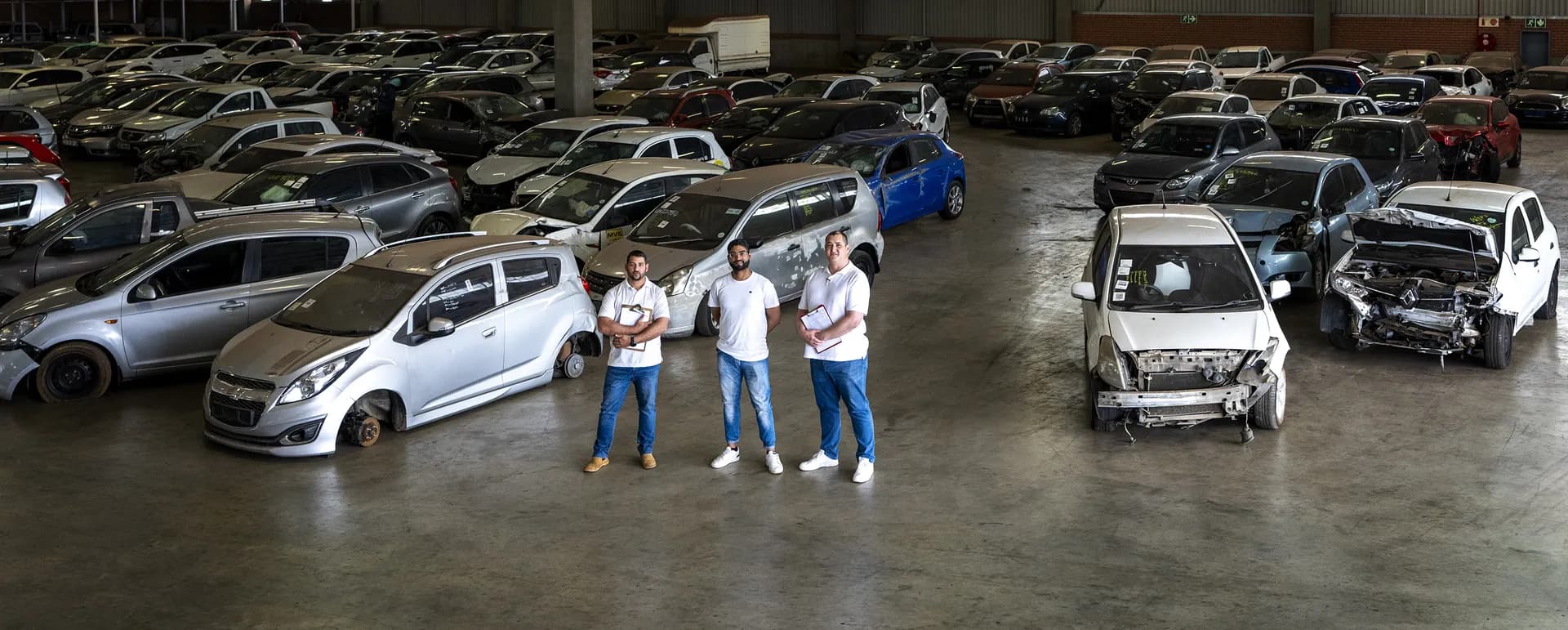
When to Consider Scrapping
High repair costs, structural damage or low resale demand often make scrapping reasonable.
Sell As-Is vs Repair
Compare repair cost to likely resale value and get multiple offers before deciding.
South Africa Paperwork Tips
Confirm deregistration, check finance status, and obtain written proof of transfer.
Overview: Should you scrap my old SUV?
If you’re searching "scrap my old SUV worth it", you’re weighing whether the vehicle’s remaining value covers the effort of selling, repairing or scrapping. This guide explains the real considerations for South African owners: typical costs, market demand for parts and salvage, tax and deregistration implications, and practical alternatives such as selling to a specialist buyer.
Key signals that scrapping may be sensible
- Repair estimates exceed a significant portion of the SUV’s market value (e.g., R15,000-R50,000 in repairs on a low-value vehicle).
- Structural/frame damage or flood/fire damage that reduces resale demand.
- Non-running for extended periods with rising storage or towing costs.
- High odometer with limited service history and low buyer interest in the market.
Note: "Scrapping" can mean dismantling for parts, selling to a salvage buyer, or disposal. In South Africa there are functioning salvage markets, so scrapping isn’t always zero value.
Repair cost vs value retained
| Scenario | Typical repair cost (estimate) | Likely retained value impact |
|---|---|---|
| Minor mechanical (alternator, brakes) | R2,000-R10,000 | Moderate; saleable privately or trade-in |
| Major engine/transmission | R15,000-R60,000+ | Often not cost-effective for older SUVs |
| Accident with structural/frame damage | R20,000-R100,000+ | Large value reduction; salvage market likely |
Damage types vs typical offer impact
| Damage type | Typical market effect |
|---|---|
| Mechanical failure (non-running) | Lower offers but parts may retain value; suitable for specialist buyers. |
| Flood or fire damage | Significant reduction; many buyers avoid these risks unless for parts. |
| Minor accident (cosmetic) | Smaller impact; private sale or trade-in feasible after repair. |
If you prefer a fast alternative to DIY dismantle or advertising privately, selling the vehicle as-is to a specialist buyer can be a practical route. For an easy online valuation and immediate offer, many South African owners use specialist services that accept vehicles in any condition and provide free collection; see the company overview on the About / How it works page for more details.
Another option is to list the SUV for parts or project-car buyers. If you decide to pursue that, factor in time, safe storage and the effort to process multiple small sales versus a single transaction.
When to scrap vs sell as-is vs repair
Choose scrapping when dismantling yields more net cash than repairing or when resale is unlikely. Selling as-is to a specialist buyer is often preferable to traditional scrapping because of nationwide demand for salvage, particularly for popular SUV models. Repair is usually justified when expected resale value after repair exceeds the repair cost and you plan to keep the vehicle.
How the sale/scrap process works (typical flow)
- Get an online valuation or quote - provide make, model, year, condition and photos.
- Receive an obligation-free offer based on condition and salvage market demand.
- Accept the offer and arrange collection; many services offer free towing nationwide.
- Complete paperwork (transfer of ownership, deregistration where required) and receive payment.
If you want to compare a specialist buyer to DIY options, explore the Sell Non-Running Car and Sell Damaged Cars pages for examples of inclusions such as free towing and paperwork handling.
Legal & paperwork in South Africa
In South Africa you must transfer ownership or deregister the vehicle correctly to avoid liability. If the vehicle is under finance, inform your lender - many buyers will require settlement of the outstanding balance or work with the finance house to clear the title. Specialist buyers often handle deregistration steps and can provide a receipt and transfer documents. Always ask for proof of payment and written confirmation of ownership transfer.
Tips to maximise value before scrapping or selling
- Clean the car and take clear photos from multiple angles - even salvage buyers value clear condition evidence.
- Provide full and honest descriptions of damage; transparency builds trust and avoids offer withdrawal.
- Gather service history, keys, and paperwork - these can increase offers even if the SUV is non-running.
- Compare 2-3 quotes from buyers; pricing can vary based on parts demand and scrap metal rates.
What happens after collection
After collection, reputable buyers will complete transfer paperwork and process payment. Payment windows vary, but many specialist services offer fast payment once documents are verified. If the vehicle is taken for parts, the dismantling and recycling process may take additional time; you should receive documentation confirming the transaction.
Practical South African examples
Example scenarios (estimates only): If an older SUV needs an engine rebuild estimated at R40,000 and its private sale market value in current condition would be around R30,000, scrapping or selling as-is to a salvage buyer is typically the more cost-effective route. Conversely, if minor repairs of R8,000 bring the vehicle to a saleable condition well above the repair cost, repairing then selling may be better. Local factors - model popularity in Johannesburg, Cape Town or Durban - affect parts demand and offers.
Final checklist before deciding
- Get realistic repair quotes from a trusted mechanic.
- Obtain at least two offers from buyers who accept salvage/non-running vehicles.
- Confirm who handles deregistration and whether towing is included.
- Check outstanding finance and get lender instructions if applicable.
Sources
Seasoned automotive specialists dedicated to helping you turn your damaged or non-running vehicle into cash fast and hassle-free.
Disclaimer: This content is for educational purposes only. Product availability, pricing, and specifications are subject to change. Always verify current details on the retailer's website before making a purchase. We may earn affiliate commissions from qualifying purchases.
Why sell your damaged car to us?

A Division of Auction Nation, the leading expert in selling damaged cars

Best price for your damaged car

Get a cash offer within 24h

We buy damaged cars in any condition

We buy accident- damaged cars still under finance

Free, no obligation offer on your vehicle
How We Calculate Your Damaged Car’s Value
Wondering how we calculate your car’s value? At Sell Your Damaged Car, we look at: Your car’s real condition, its salvage value, and the current market demand. It’s all about honesty, transparency, and fairness — that’s how we determine your offer.
Frequently Asked Questions
Get answers to common questions about Comparison And Alternatives
Why Choose Sell Your Damaged Car?
Free Towing
Need a tow? We got you
Hassle Free
Get a cash offer within 24h!
Nationwide
Somewhere remote? No problem!
