
Scrap My Old Bakkie - Is It Worth It? A South Africa Owner’s Guide
Thinking 'scrap my old bakkie worth it'? Learn when to repair, sell as-is or scrap in South Africa - costs, paperwork (deregistration), towing and real examples.
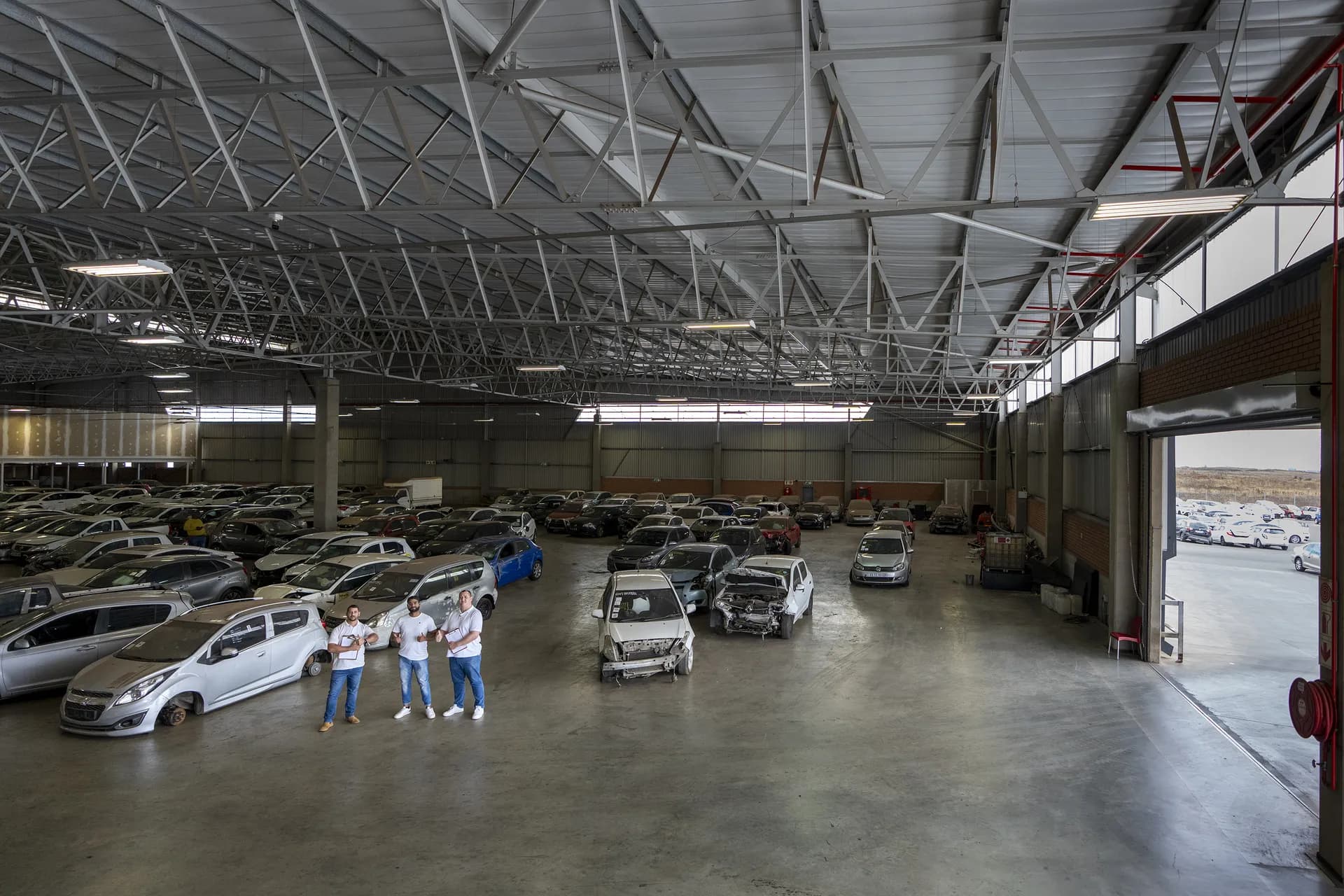
Repair vs Scrap Checklist
Compare repair cost, downtime and safety before deciding.
Nationwide, Low-Admin Options
Specialist buyers handle towing, deregistration and payment.
Value Depends on Damage
Engine, frame, flood and fire issues most reduce offers.
Overview: Should I scrap my old bakkie?
If you’re asking "scrap my old bakkie worth it?" you’re weighing ongoing repair costs, time, safety and the administrative burden against the cash or convenience of parting ways. In South Africa, factors such as local salvage demand, towing costs, deregistration requirements and whether the vehicle is under finance all affect the answer. This guide explains the trade-offs and gives concrete examples so you can make an informed choice.
When scrapping is commonly the right option
Scrapping (or selling for salvage) is often worth considering when repair estimates exceed a significant portion of the bakkie’s market value, when the vehicle is non-running for an extended period, or when safety-related damage (frame, airbag deployment, severe fire or flood damage) makes road use impractical. Owners who prefer speed and minimal admin frequently choose to sell as-is to a specialist buyer who offers free towing and handles paperwork.
Repair vs scrap - quick comparison table
| Scenario | Typical outcome | When to choose |
|---|---|---|
| Minor mechanical or bodywork (cost R3,000-R10,000) | Repair usually increases resale value; retains utility | If repair cost < ~30% of market value and you need the bakkie |
| Major mechanical or structural (cost R15,000+) | Repair may not be economical; salvage value could be preferable | Consider scrapping or selling to a specialist |
| Non-running for months / flood-damaged | Value declines quickly; storage costs add up | Often worth selling as-is for convenience and immediate cash |
How local salvage and parts demand affects value
In South Africa, the demand for used bakkie parts (engine, gearbox, panels) varies by make, model and region. Popular work bakkies retain stronger salvage interest in metros like Johannesburg, Cape Town and Durban, which can lift offers slightly compared with remote areas. If you want a quick, transparent valuation without arranging collection, consider using an online specialist who buys vehicles in any condition and offers free towing and paperwork support; this avoids private-sale delays and towing fees.
For an owner deciding whether to scrap my old bakkie - worth it often depends on the combination of estimated repair cost, immediate cash needs, and how much time you can spend advertising, meeting buyers and organising transport. If your bakkie is under finance, settlement and lender consent are additional steps to review before proceeding.
Learn more about selling a non-running vehicle on our Sell Non-Running Car page: Sell Non-Running Car, and see the range of damaged vehicles we accept on our Sell Damaged Cars page: Sell Damaged Cars.
Practical note: storage, removal and insurance costs can make keeping a non-running bakkie more expensive than accepting a competitive cash offer and moving on. Specialist buyers often include free towing and paperwork handling, lowering your time and cash outlay.
Damage types vs typical offer impact
| Damage type | Typical effect on offers |
|---|---|
| Surface body damage (panels, doors) | Lower impact; parts sellable - moderate reduction |
| Engine or transmission failure | Significant reduction; non-runners lower marketability |
| Structural/frame damage or airbag deployment | Major reduction; often treated as written-off by insurers |
| Flood or fire damage | Severe reduction; some parts irrecoverable |
When to repair vs when to sell or scrap
Decide to repair if the total cost (parts + labour) is substantially less than the expected resale value after repair, and you intend to keep using the bakkie. Choose to sell as-is or scrap if repair costs approach or exceed the current market value, if the vehicle is unsafe, or if you prefer immediate, low-effort cash and removal. For many South African owners, especially those in smaller fleets, turning a non-running bakkie into cash quickly is a pragmatic choice - it reduces downtime and frees capital for a replacement.
How the process works with a specialist buyer
A straightforward online process typically looks like this: you upload vehicle details and images, receive a valuation, accept an offer if it meets your needs, and the buyer arranges free towing and completes paperwork including deregistration where applicable. Payment is released shortly after collection and verification. For a step-by-step explanation of our approach, see our About / How it works page: About / How it works.
What to check before accepting any offer
- Confirm whether towing is included - free nationwide collection avoids extra costs.
- Ask how paperwork is handled: will the buyer manage deregistration and transfer of ownership?
- If the bakkie is under finance, confirm lender settlement steps to avoid liability.
- Request transparent valuation rationale (condition, parts demand, salvage value).
Realistic financial examples (South Africa, estimates)
Example 1: A 10-year-old single-cab bakkie with a failed gearbox. Repair estimate R25,000; market value as-is R18,000. If you need immediate cash and want to avoid repair time, selling for salvage may be preferable. Example 2: A bakkie with cosmetic panel damage and a working drivetrain - repair R6,000, likely to increase resale value by R9,000-R12,000; repairing could be the better choice. These figures are illustrative ranges and actual values depend on make, model, mileage and local demand.
After you accept an offer: what happens next
Once you accept, a reputable buyer will schedule collection, provide documentation for ownership transfer and deregistration (if applicable), and arrange free towing. Payment is typically made shortly after the vehicle is collected and the paperwork verified. If your bakkie is financed, the buyer will usually coordinate settlement with the lender - but confirm the process in writing to protect yourself.
Next steps for owners wondering “scrap my old bakkie worth it”
Gather clear photos, a summary of visible damage and accurate vehicle details (VIN/chassis number, mileage and service history) to get the most accurate online valuation. For practical guidance on selling non-running vehicles and the kinds of damaged cars accepted, see our Sell Non-Running Car page: Sell Non-Running Car, and our Sell Damaged Cars page: Sell Damaged Cars. For a full site overview, visit the homepage: Sell Your Damaged Car.
Final considerations
Deciding whether to scrap your old bakkie depends on costs, time and personal priorities. If you value speed, low admin and nationwide removal (including metros like Johannesburg, Cape Town and Durban), selling to a specialist who offers free towing and handles paperwork can be a practical, low-effort solution. If long-term value and continued use matter, repair may still make sense - run the numbers for your specific vehicle and region.
Sources
- Automobile Association of South Africa - Guidance on vehicle condition and safety checks
- AutoTrader South Africa - Market listings and used vehicle demand trends
- South African Government portal - information on vehicle registration and related services
Note: monetary values shown are illustrative estimates in R (South African rand) and will vary by vehicle, condition and local market. Always request a clear offer and written details on towing, paperwork and payment timing before agreeing to a sale.
Seasoned automotive specialists dedicated to helping you turn your damaged or non-running vehicle into cash fast and hassle-free.
Disclaimer: This content is for educational purposes only. Product availability, pricing, and specifications are subject to change. Always verify current details on the retailer's website before making a purchase. We may earn affiliate commissions from qualifying purchases.
Why sell your damaged car to us?

A Division of Auction Nation, the leading expert in selling damaged cars

Best price for your damaged car

Get a cash offer within 24h

We buy damaged cars in any condition

We buy accident- damaged cars still under finance

Free, no obligation offer on your vehicle
How We Calculate Your Damaged Car’s Value
Wondering how we calculate your car’s value? At Sell Your Damaged Car, we look at: Your car’s real condition, its salvage value, and the current market demand. It’s all about honesty, transparency, and fairness — that’s how we determine your offer.
Frequently Asked Questions
Get answers to common questions about Comparison And Alternatives
Why Choose Sell Your Damaged Car?
Free Towing
Need a tow? We got you
Hassle Free
Get a cash offer within 24h!
Nationwide
Somewhere remote? No problem!
