
Scrap Car Value Estimation South Africa - How to Estimate Your Vehicle’s Scrap Worth
Learn how scrap car value is calculated in South Africa, which factors affect offers, practical estimation tips and SA-specific paperwork guidance.
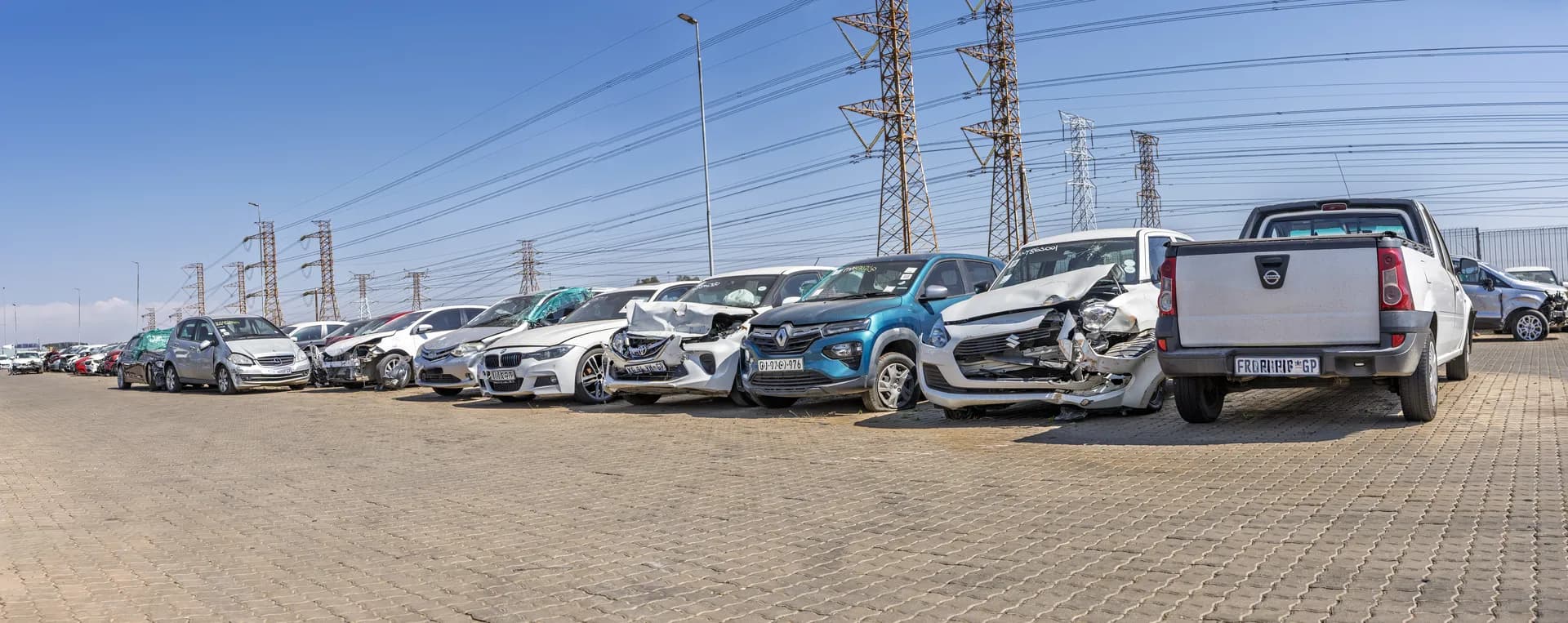
Key Value Drivers
Make, model, damage type and salvageable parts determine scrap offers.
Paperwork Matters
Clear ownership and finance status speed up sale and improve net proceeds.
Prepare for Inspection
Good photos and honest descriptions help secure accurate estimates.
Overview: What is scrap car value estimation?
Scrap car value estimation is the process of calculating how much a vehicle is likely to fetch when sold for parts, metal or salvage in the South African market. Unlike resale for roadworthy use, scrap value reflects the worth of recoverable parts, the scrap metal content, labour required to dismantle the vehicle and current demand in the salvage supply chain. Estimates vary by make, model, age and the type and extent of damage.
Why this matters for South African owners
If repairs are costly, or a vehicle is non-running, written off or flood-damaged, an accurate scrap-car-value estimation helps you decide whether to repair, part-out or sell whole. It also sets expectations when you contact buyers who offer cash for damaged cars. For a clear explanation of what Sell Your Damaged Car buys and how they operate, see our About / How it works page.
Core factors that determine scrap value
- Vehicle make, model and year - parts demand for popular models (e.g., certain Toyotas, VWs) can raise offers.
- Condition and damage type - undamaged drivetrain or intact interior items can add value.
- Market prices for scrap metal and parts - fluctuating commodity prices affect final offers.
- Location and collection logistics - easier nationwide access to metropolitan hubs such as Johannesburg, Cape Town and Durban can influence net offers because towing costs differ.
- Documentation and legal status - clean ownership papers and clarity about finance or registration speed up sale and can improve net proceeds.
Quick example ranges (estimates)
Indicative numbers in South Africa depend on vehicle specifics; below are broad illustrative ranges (estimates only): a small hatchback with heavy damage might be valued primarily for metal and some usable parts, e.g., R1,500-R8,000; a later-model SUV with usable drivetrain parts could attract higher offers, e.g., R8,000-R25,000. These are examples to illustrate scale and not guarantees.
Note: Offers differ by buyer. Transparent services often explain how they calculated your estimate; if not, ask for a breakdown of parts, metal and logistics components.
Repair cost vs value retained (table)
| Scenario | Estimated repair cost (R) | Estimated retained resale value (R) |
|---|---|---|
| Minor accident, cosmetic damage | R5,000 - R15,000 | Higher resale market value if repaired |
| Severe structural damage / written-off | R30,000+ | Often lower than scrap/parts sale value |
| Non-running mechanical failure (engine/transmission) | R10,000 - R60,000 | May be more valuable sold for parts or as salvage |
Use these comparisons to decide whether repair investments are justified or whether selling for scrap/salvage is the better financial choice. For owners of non-running vehicles, review the dedicated guidance on our Sell Non-Running Car page.
When to sell versus repair
If estimated repair costs approach or exceed the post-repair resale value, selling for scrap or parts usually makes financial sense. Consider also downtime, the hassle of finding a reliable repairer, and whether the vehicle holds sentimental or fleet value. Commercial fleet operators should weigh total cost of ownership, downtime costs and administrative overhead.
How the scrap valuation process typically works
- Provide vehicle details: make, model, year, mileage and clear photos of damage.
- Receive a preliminary estimate: this factors in likely salvageable parts, scrap metal weight and removal costs.
- Agree collection logistics: reputable services offer free towing and handle deregistration or transfer paperwork.
- Final inspection and payment: a final check confirms condition before payment is released.
Damage types vs typical offer impact (table)
| Damage type | Typical impact on offer |
|---|---|
| Cosmetic (bumper, panels) | Lower impact if mechanicals intact; parts may retain value |
| Structural/frame damage | Significant reduction; often classed as written-off |
| Flood or fire | Major reduction; salvageability depends on extent and components affected |
| Mechanical (engine/transmission) | If drivetrain intact, parts value can be high; complete failures reduce offer |
Legal & paperwork specifics in South Africa
Clear ownership documentation and disclosure of finance obligations are essential. If a vehicle is under finance, the lender’s consent or settlement is usually required before transfer of ownership. Deregistration or change-of-ownership processes must follow the Department of Transport and local licensing requirements. Many professional buyers will assist with deregistration and transfer paperwork to simplify the sale process; see how standard collection and admin are described on our Sell Damaged Cars page.
Tips to maximise your scrap offer
- Photograph key components: engine bay, interior, chassis numbers and damage close-ups.
- Provide full service history and proof of ownership where possible.
- Remove personal items and non-vehicle accessories before collection.
- Be honest about hidden damage or flood exposure-undisclosed issues can void an offer after inspection.
What happens after collection
After you accept an offer and the vehicle is collected, the buyer conducts a final check, completes paperwork and processes payment. Reputable buyers arrange their own towing and should provide confirmation of deregistration or transfer steps taken. If you need a place to begin with an online valuation platform, the Sell Your Damaged Car homepage explains the online submission and offer flow in detail: Sell Your Damaged Car - homepage.
Practical South Africa scenarios
Example 1: A 2010 hatch with front-end accident damage and a good engine may attract an offer based on reusable engine, transmission and interior parts plus scrap metal. Example 2: A flood-damaged sedan with extensive electrical faults may be more valuable sold whole for scrap rather than attempting costly electrical repairs. These scenarios show why accurate photos and transparent descriptions improve estimate quality.
Sources
Seasoned automotive specialists dedicated to helping you turn your damaged or non-running vehicle into cash fast and hassle-free.
Disclaimer: This content is for educational purposes only. Product availability, pricing, and specifications are subject to change. Always verify current details on the retailer's website before making a purchase. We may earn affiliate commissions from qualifying purchases.
Why sell your damaged car to us?

A Division of Auction Nation, the leading expert in selling damaged cars

Best price for your damaged car

Get a cash offer within 24h

We buy damaged cars in any condition

We buy accident- damaged cars still under finance

Free, no obligation offer on your vehicle
How We Calculate Your Damaged Car’s Value
Wondering how we calculate your car’s value? At Sell Your Damaged Car, we look at: Your car’s real condition, its salvage value, and the current market demand. It’s all about honesty, transparency, and fairness — that’s how we determine your offer.
Frequently Asked Questions
Get answers to common questions about Selling Guides
Why Choose Sell Your Damaged Car?
Free Towing
Need a tow? We got you
Hassle Free
Get a cash offer within 24h!
Nationwide
Somewhere remote? No problem!
