
Scrap Car Prices in South Africa: What Affects Value and How to Get a Fair Offer
Learn how scrap car prices are calculated in South Africa, what parts hold value, and practical steps to improve your outcome when selling a damaged or non-running vehicle.
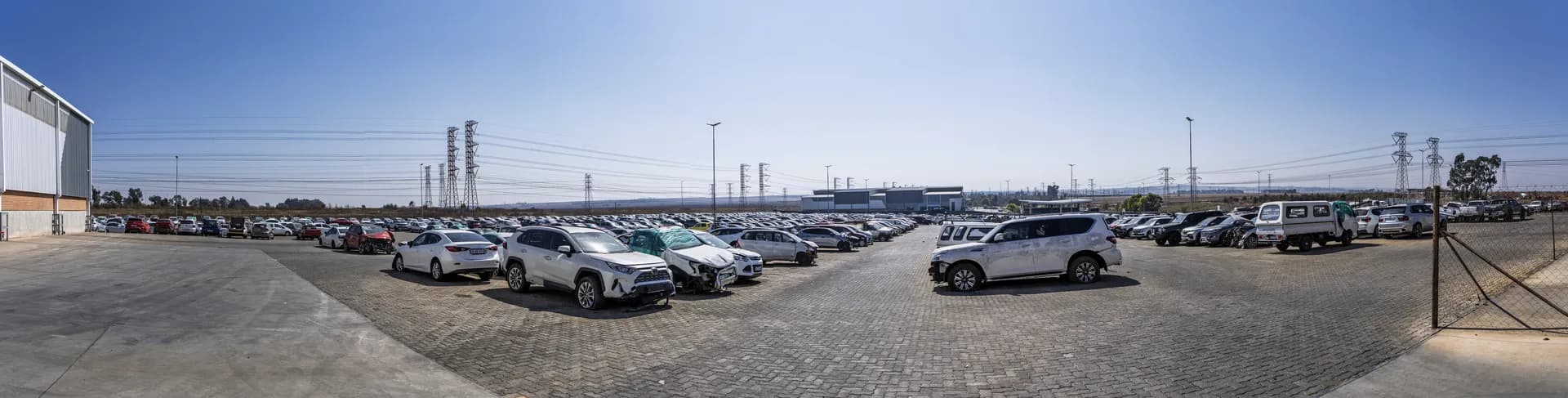
What Drives Scrap Value
Material, parts demand, towing and local market conditions determine offers.
Maximise Recovery
Be transparent, keep valuable detachable items, and use buyers who handle paperwork.
SA-Specific Practicalities
City vs remote collection costs, finance status and deregistration affect net value.
Overview: What we mean by scrap car prices in South Africa
When South African owners search for scrap car prices, they’re usually trying to estimate what a damaged, non-running or written-off vehicle is worth to recyclers, salvage buyers or cash-for-cars services. Scrap value is different from trade-in or private-sale value: it reflects raw materials, reusable parts and the logistics and legal costs a buyer will incur when collecting and processing the vehicle.
Factors that influence scrap car prices in South Africa include metal and part demand, location (collection and towing costs in metros versus remote areas), vehicle condition, presence of valuable components (for example catalytic converters), and whether the vehicle is under finance. If you want a practical route to sell a damaged car, consider services that handle towing and paperwork to reduce your out-of-pocket costs; see the Sell Your Damaged Car homepage for how an online cash-for-cars service works https://sellyourdamagedcar.co.za/.
Key price drivers
- Material value: steel, aluminium and non-ferrous metals recovered from the vehicle.
- Parts demand: reusable components (engines, gearboxes, airbags, electronics).
- Specific high-value items: catalytic converters and some electronic modules.
- Removal complexity and towing distance for collection.
- Administrative or legal costs (e.g. settling outstanding finance or transfer paperwork).
Note: Scrap car prices fluctuate with commodity markets and local demand. For many owners the quickest route to a transparent outcome is an online valuation from a specialist who handles towing and paperwork - see our Sell Damaged Cars resource for details on what a typical process includes https://sellyourdamagedcar.co.za/Sell_Damaged_Cars.
Repair cost vs value retained (simple guide)
| Scenario | Typical market effect | Owner consideration |
|---|---|---|
| Minor cosmetic damage | Small value reduction; repair usually sensible | Repair if cost is lower than expected sale uplift |
| Major structural/engine damage | Significant depreciation; scrap/parts market more likely | Consider selling for salvage or recycling |
| Non-running / severely neglected | Low resale; parts recovery and scrap value dominate | Use a buyer who offers collection and handles admin |
Damage types vs typical offer impact
| Damage type | Typical impact on scrap/offer |
|---|---|
| Flood damage | Electronics and interiors often unsellable; price reflects parts/metal only |
| Accident structural | Weight/metal value plus salvageable parts; structural damage reduces roadworthy resale |
| Mechanical failure (engine/transmission) | If major components intact they can fetch part-value; otherwise scrap metal predominates |
| Cosmetic-only | Smaller impact; private sale or trade-in often superior |
If you want to compare how scrap pricing fits with alternatives (repair, private sale, trade-in), reading broader selling guides can help you decide. Our Sell Non-Running Car page explains options for vehicles that don’t start or are stored indefinitely https://sellyourdamagedcar.co.za/Sell_Non_Running_Car.
When to sell for scrap vs repair or part-out
Deciding whether to sell a vehicle for scrap depends on repair estimates, time available, and how quickly you need to free space or stop accumulating holding costs. If repair quotes exceed the vehicle’s likely resale uplift, or if the car holds few marketable parts, selling for scrap or to a specialist buyer who recovers parts is often the most practical choice.
How the valuation process typically works
- Provide vehicle details and clear photos online or by phone.
- Buyer assesses likely recyclable material, reusable parts and collection costs.
- Offer is issued reflecting net value after processing and legal steps.
- Once accepted, collection, paperwork handling and payment follow.
Specialist services in South Africa commonly include free towing within a defined radius and handling of transfer or deregistration administration; for a clear explanation of seller protections and how a typical service operates, see our About page https://sellyourdamagedcar.co.za/AboutUs. That reduces your time and risk when the vehicle is sold for scrap or salvage parts.
Practical tips to maximise what you receive
- Be transparent about damage and missing parts; honest listings reduce delays in collection and payment.
- Keep valuable, detachable items (audio systems, labelled parts) where safe and disclose them - they can add to part-value.
- Confirm whether the buyer handles outstanding finance; unresolved finance can reduce offers and complicate transfer.
- Request a breakdown of the offer if possible (parts value, metal, removal costs) to compare options.
Legal and paperwork notes for South Africa
Selling a vehicle - even for scrap - usually requires completing transfer-of-ownership documents and ensuring any finance is settled or disclosed. Specialist buyers often assist with deregistration or transfer administration, which speeds up the settlement. If the vehicle is written off by an insurer, make sure you understand whether the insurer retains title or if you are free to sell the car; ask the buyer to confirm how they will manage these steps.
What happens after collection
After collection, buyers will typically strip reusable parts, process fluids and recyclable metals, and then remit payment according to the agreed terms. Expect a short period for paperwork clearance; specialist firms usually issue payment promptly once documents and collection are verified.
Example South African scenarios (experience-based)
- Urban metro owner: lower towing costs and higher demand for reused parts can improve offers in cities like Johannesburg, Cape Town and Durban.
- Remote location: buyers factor in longer collection runs and access issues, which can reduce net offers.
- Fleet vehicles: selling multiple damaged units at once can attract better per-unit handling terms from national buyers.
Sources
Seasoned automotive specialists dedicated to helping you turn your damaged or non-running vehicle into cash fast and hassle-free.
Disclaimer: This content is for educational purposes only. Product availability, pricing, and specifications are subject to change. Always verify current details on the retailer's website before making a purchase. We may earn affiliate commissions from qualifying purchases.
Why sell your damaged car to us?

A Division of Auction Nation, the leading expert in selling damaged cars

Best price for your damaged car

Get a cash offer within 24h

We buy damaged cars in any condition

We buy accident- damaged cars still under finance

Free, no obligation offer on your vehicle
How We Calculate Your Damaged Car’s Value
Wondering how we calculate your car’s value? At Sell Your Damaged Car, we look at: Your car’s real condition, its salvage value, and the current market demand. It’s all about honesty, transparency, and fairness — that’s how we determine your offer.
Frequently Asked Questions
Get answers to common questions about Comparison And Alternatives
Why Choose Sell Your Damaged Car?
Free Towing
Need a tow? We got you
Hassle Free
Get a cash offer within 24h!
Nationwide
Somewhere remote? No problem!
