
Scrap Car Prices for SUVs and Bakkies in SA: What Affects Value and When to Sell
Understand how scrap car prices for SUVs and bakkies in South Africa are set, what affects offers, and practical steps to sell, scrap or repair your vehicle.
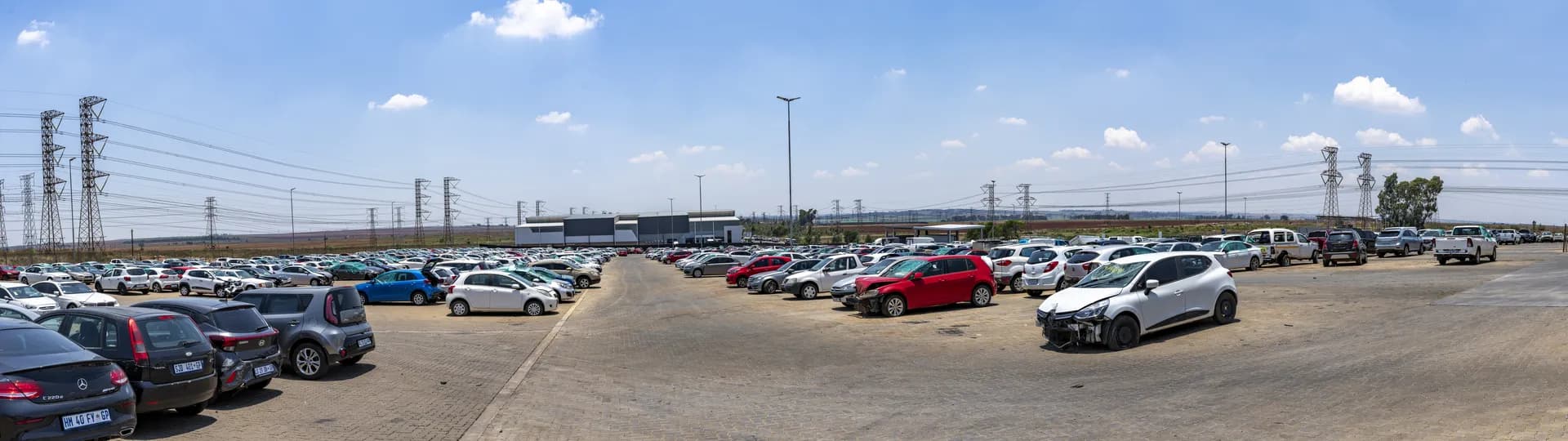
What Drives Scrap Value
Parts demand, metal rates, and damage type determine SUV and bakkie scrap prices.
Compare Repair vs Scrap
Estimate repair costs, parts value and time before deciding to repair or sell.
Handle Paperwork Right
Deregistration, finance disclosure and receipts protect you after sale.
Overview: scrap car prices for SUVs and bakkies in South Africa
Owners of SUVs and bakkies in South Africa often ask how scrap values are calculated and whether to repair, sell for parts or scrap. Scrap car prices for SUVs and bakkies SA vary by vehicle type, age, weight, salvageable parts, metal value and local demand. Regional factors matter too - wheels, panels and engines for popular models in Johannesburg, Cape Town or Durban can command stronger demand in the local salvage market.
Quick note
Scrap values are fluid. Prices change with scrap-metal markets, seasonal demand for parts, and the availability of specific models. The guidance below explains typical drivers and realistic steps you can take.
How scrap pricing works for SUVs and bakkies
Scrap buyers and salvage yards set prices using a mix of components: usable parts value (engines, gearboxes, body panels), metal weight (steel, aluminium), and the cost to tow/strip. SUVs and bakkies often retain higher parts value than small cars because of higher demand for suspension, drivetrain components and load-bay parts. However, structural damage, flood or fire damage can reduce or eliminate parts value quickly.
Common market signals that affect scrap car prices
- Model popularity and year - parts for in-demand bakkies and popular SUVs remain valuable longer.
- Condition of core components - a working engine or gearbox substantially increases parts value.
- Extent of structural damage - severe frame damage reduces both parts and scrap-metal value.
- Local salvage demand - metropolitan areas often pay more for parts than remote regions.
- Scrap-metal rates - fluctuations in metal prices affect baseline scrap value across SA.
Repair cost vs retained value (illustrative estimates for South Africa)
| Repair cost (estimate) | Likely value retained after repair (estimate) | When scrapping may be preferable |
|---|---|---|
| R5,000 - R20,000 | Low to moderate increase (10-25%) | If structural damage or multiple mechanical faults exist |
| R20,000 - R60,000 | Moderate increase (20-50%) depending on model | Repair if future resale value justifies cost; otherwise consider parts/scrap |
| R60,000+ | Higher retained value possible for newer models | Often worth repairing if no structural or flood damage |
Figures are illustrative estimates for South Africa. Actual repair costs and retained value depend on model, parts availability and local labour rates.
When to sell vs repair your SUV or bakkie
Deciding whether to repair or scrap is a practical choice based on repair cost versus the likely increase in resale value, plus time and hassle. If repair bills approach or exceed the expected market value uplift, or the vehicle is written off by an insurer, scrapping or selling for parts becomes more attractive.
To compare options quickly, prepare an estimate for repairs and a realistic resale value for your model and year. If you need help with non-running vehicles, see the Sell Non-Running Car guidance on our site: Sell Non-Running Car.
Damage types vs typical impact on scrap or parts value
| Damage type | Typical impact on parts/scrap value |
|---|---|
| Minor panel damage | Low impact - many parts remain reusable |
| Engine or gearbox failure | High impact - if core units work, parts value increases significantly |
| Flood damage | Major negative impact - electrical and interior parts often compromised |
| Severe structural/frame damage | Significant reduction - often limited to metal weight and few reusable parts |
| Fire damage | Major negative impact - most parts rendered unusable |
When you’re assessing options, consider regional demand - some parts are much more valuable in one city than another. For a clear view of how our process works and what paperwork is involved, review our About / How it works page: How it works.
How the selling/scrapping process typically works (South Africa)
A straightforward route to scrap or sell parts from SUVs and bakkies usually follows these steps: document the vehicle, get an indicative valuation from several buyers, agree terms, arrange collection and complete paperwork. Many reputable buyers include towing and paperwork handling to reduce hassle - nationwide coverage matters if you are outside a major metro.
Practical tips to maximise what you receive
- Document clearly: clear photos of damage, mileage and any working components improve accuracy of offers.
- Keep core parts accessible: if the engine, gearbox or electronics are intact, highlight them.
- Separate loose parts and paperwork: service records and spare keys can improve buyer confidence.
- Compare multiple buyers: local scrap yards, specialised salvage buyers and national services differ in what they pay and what they include.
- Declare outstanding finance: vehicles under finance must be handled transparently; solvable via settlement or bank coordination.
If you want a focused route for damaged vehicles, our Sell Damaged Cars page explains common inclusions and what to expect during valuation: Sell Damaged Cars. For owners of non-running fleet vehicles or single units, consider the logistics of collection and paperwork before accepting an offer.
Legal and paperwork considerations in South Africa
When selling or scrapping a vehicle in SA, documentation matters. Transfer of ownership, settlement of outstanding finance, and deregistration are the primary administrative steps. Ask buyers whether they handle deregistration and how they provide proof of collection and payment. Services that manage paperwork minimise owner liability after the sale.
What happens after collection?
After collection, the vehicle is typically delivered to a salvage yard or dismantler. Usable parts are catalogued for resale and remaining metal is sold as scrap. Reputable buyers will provide a receipt and confirmation that deregistration or transfer processes have begun. Confirm the timeline for paperwork completion and retain copies of all documents for your records.
Typical questions owners ask (with practical answers)
- How long does towing and payment take? Timeframes vary; many nationwide buyers arrange towing within days and complete payment promptly once collection is verified.
- What if my vehicle is under finance? Disclose the finance. The buyer and lender will usually coordinate settlement or transfer, but timelines differ by bank.
- Are flood-damaged vehicles worth scrapping? Flood damage often reduces parts value substantially; in many cases scrapping is the practical option.
If you want to explore a convenient online valuation route for non-running or damaged vehicles, our homepage explains the submission process and inclusions such as free towing and paperwork handling: Sell Your Damaged Car homepage.
Final considerations
Scrap car prices for SUVs and bakkies in South Africa are not fixed - they depend on parts demand, damage type, metal prices and local market dynamics. Gather clear documentation, compare reputable buyers, and prioritise offers that include towing and paperwork support to reduce post-sale risk. When in doubt, ask buyers for explicit statements on deregistration, payment timing and how they value core components.
Sources
Seasoned automotive specialists dedicated to helping you turn your damaged or non-running vehicle into cash fast and hassle-free.
Disclaimer: This content is for educational purposes only. Product availability, pricing, and specifications are subject to change. Always verify current details on the retailer's website before making a purchase. We may earn affiliate commissions from qualifying purchases.
Why sell your damaged car to us?

A Division of Auction Nation, the leading expert in selling damaged cars

Best price for your damaged car

Get a cash offer within 24h

We buy damaged cars in any condition

We buy accident- damaged cars still under finance

Free, no obligation offer on your vehicle
How We Calculate Your Damaged Car’s Value
Wondering how we calculate your car’s value? At Sell Your Damaged Car, we look at: Your car’s real condition, its salvage value, and the current market demand. It’s all about honesty, transparency, and fairness — that’s how we determine your offer.
Frequently Asked Questions
Get answers to common questions about Comparison And Alternatives
Why Choose Sell Your Damaged Car?
Free Towing
Need a tow? We got you
Hassle Free
Get a cash offer within 24h!
Nationwide
Somewhere remote? No problem!
