
Scrap Car Prices for Engine Failure Vehicles in South Africa: What to Expect
Learn how engine failure affects scrap valuations in South Africa, repair vs scrap trade-offs, expected R-based ranges and how paperwork, towing and parts value shape offers.
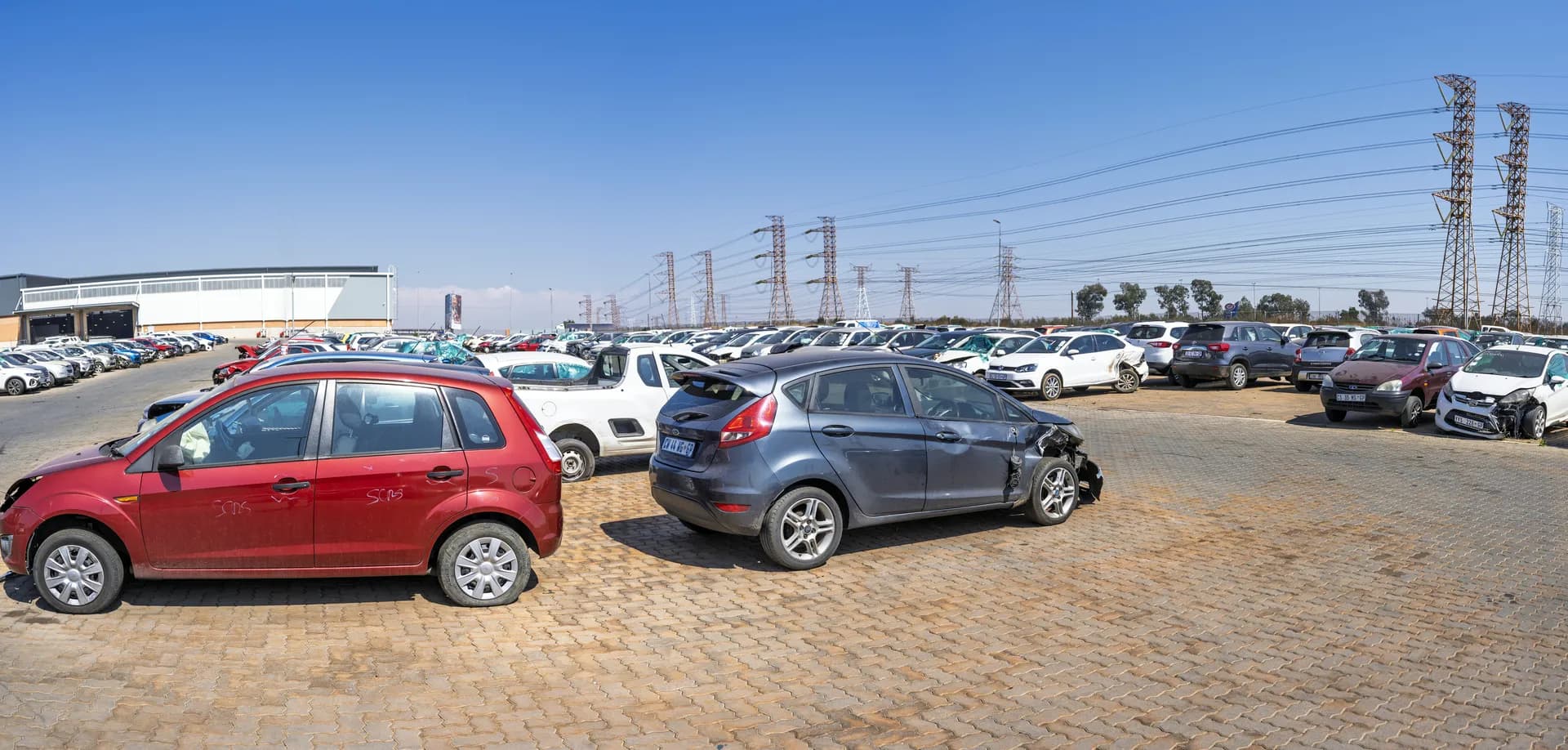
Why Engine Failure Lowers Offers
Lost running value but salvageable parts and scrap metal still add value.
Repair vs Scrap Decision
Compare repair cost to expected post-repair market value before deciding.
South Africa-Specific Process
Regional demand, free towing and paperwork handling influence final offers.
Overview: Engine Failure and Scrap Value
When an engine fails, owners often ask how much they can expect from scrap or salvage buyers. Prices for engine failure vehicles depend on the vehicle's age, make, model, remaining components, and local salvage demand. This guide explains the pricing drivers for engine-failure cars in South Africa and gives practical examples using R currency estimates where helpful.
Why engine failure changes the valuation
An engine failure removes the car's most valuable functional component for buyers looking to return the vehicle to the road. Scrap and salvage buyers therefore focus on recoverable value: usable body parts, transmission, electronics, catalytic converters, wheels and scrap metal weight. The result: an offer is usually lower than for a running but damaged vehicle, but can still be competitive if key parts are intact.
Note: Figures below are estimates. Actual offers depend on inspection, regional demand and condition. Prices are shown in R and intended as illustrative ranges for South Africa in 2025.
Repair cost vs value retained
| Scenario | Typical repair cost (R) | Value retained if repaired |
|---|---|---|
| Small 1.4-1.6L petrol hatch (engine rebuild) | R15,000 - R40,000 | 70%-85% of pre-failure market value |
| Mid-size 2.0L diesel (major failure) | R35,000 - R75,000 | 60%-80% of pre-failure market value |
| Older vehicle (high mileage) | Often uneconomical | Scrap or parts value often better than repair |
When to consider scrapping instead of repairing
- Estimated repair costs approach or exceed the car’s market value after repair.
- High mileage or multiple unrelated mechanical/electrical faults.
- Difficulty sourcing parts for older or uncommon models.
- Immediate need for cash or to avoid ongoing storage and slowdown costs.
Owners in metros like Johannesburg, Cape Town and Durban may get slightly better prices for intact non-engine components because local salvage yards and dismantlers serve a denser market. If you prefer an organised sale that handles logistics and admin, review how the online valuation and collection process works on our About / How it works page for details.
Damage types vs typical offer impact
| Component / Damage | Typical impact on offer |
|---|---|
| Engine failure, otherwise intact | Moderate reduction; parts and scrap metal still valuable |
| Engine failure + severe body damage | Significant reduction; mostly scrap weight and a few salvageable parts |
| Engine failure + working gearbox/electronics | Higher offers due to valuable parts resale |
If your car is non-running because of engine failure, you can compare options on the Sell Non-Running Car and Sell Damaged Cars pages to see which pathway suits your situation.
How the Valuation Process Works for Engine Failure Cars
Valuers assess an engine-failure vehicle by checking salvageable components, estimated scrap metal weight, and local demand for parts. Online valuations begin with the make, model, year and photos; a follow-up inspection or additional photos may refine the offer. For a straightforward route that handles towing and paperwork, many owners use national services that provide remote quotes.
Legal & paperwork considerations in South Africa
When you sell a damaged or non-running car in South Africa, ensure ownership is clear and any finance is declared. Vehicles under finance must have the lender’s consent or settlement arranged before transfer. Deregistration and transfer paperwork is part of closing, and reputable buyers will help complete these steps while providing proof of payment and transfer documentation.
Practical tips to maximise your scrap offer
- Provide clear photos of the engine bay, odometer, VIN/chassis number and areas of damage.
- Be honest about previous repairs, flood or fire damage-accurate information avoids delays.
- Remove personal items and gather service history or receipts where available-these increase buyer confidence.
- If practical, keep intact high-value parts (wheels, catalytic converter, infotainment) visible for assessment.
Example South Africa scenarios
Example 1: A 2010 1.6L hatch with engine seized and tidy bodywork might earn an offer reflecting usable parts plus scrap metal - illustrative range R4,000-R15,000 depending on parts and local demand. Example 2: A late-model 2016 diesel bakkie with a blown engine but intact drivetrain may attract higher salvage interest; offers could be materially greater if transmission and body are in good condition. These ranges are illustrative and will vary by region and inspection.
What happens after collection
After you accept an offer, a trusted buyer typically arranges free towing, completes transfer paperwork and issues payment per the agreed terms. Ensure you receive a written receipt and confirmation of deregistration or transfer. If the vehicle has outstanding finance, request written confirmation that the lender’s requirements have been met before release of funds.
Choosing between repair, private sale or scrapping
Repair makes sense when repair cost is substantially lower than the uplift in market value after repair. Private sale can yield more for running vehicles but adds months of effort and towing risk for a non-runner. Scrapping or selling to a specialist buyer is usually faster and avoids storage, advertising and negotiation. For an organised option that handles valuation, towing and admin nationwide in South Africa, see our homepage for process details.
Reminder: avoid offers that sound too good to be true. Transparent buyers provide an itemised offer based on condition, parts and scrap value and will explain deductions related to engine failure.
Sources
Seasoned automotive specialists dedicated to helping you turn your damaged or non-running vehicle into cash fast and hassle-free.
Disclaimer: This content is for educational purposes only. Product availability, pricing, and specifications are subject to change. Always verify current details on the retailer's website before making a purchase. We may earn affiliate commissions from qualifying purchases.
Why sell your damaged car to us?

A Division of Auction Nation, the leading expert in selling damaged cars

Best price for your damaged car
Get a cash offer within 24h

We buy damaged cars in any condition

We buy accident- damaged cars still under finance

Free, no obligation offer on your vehicle
How We Calculate Your Damaged Car’s Value
Wondering how we calculate your car’s value? At Sell Your Damaged Car, we look at: Your car’s real condition, its salvage value, and the current market demand. It’s all about honesty, transparency, and fairness — that’s how we determine your offer.
Frequently Asked Questions
Get answers to common questions about Damage Types
Why Choose Sell Your Damaged Car?
Free Towing
Need a tow? We got you
Hassle Free
Get a cash offer within 24h!
Nationwide
Somewhere remote? No problem!
