
Scrap Car Price Comparison South Africa - What Affects Value Across Buyers
Learn what determines scrap car prices in South Africa, how to compare competitive cash offers, and practical steps to maximise value while avoiding paperwork pitfalls.
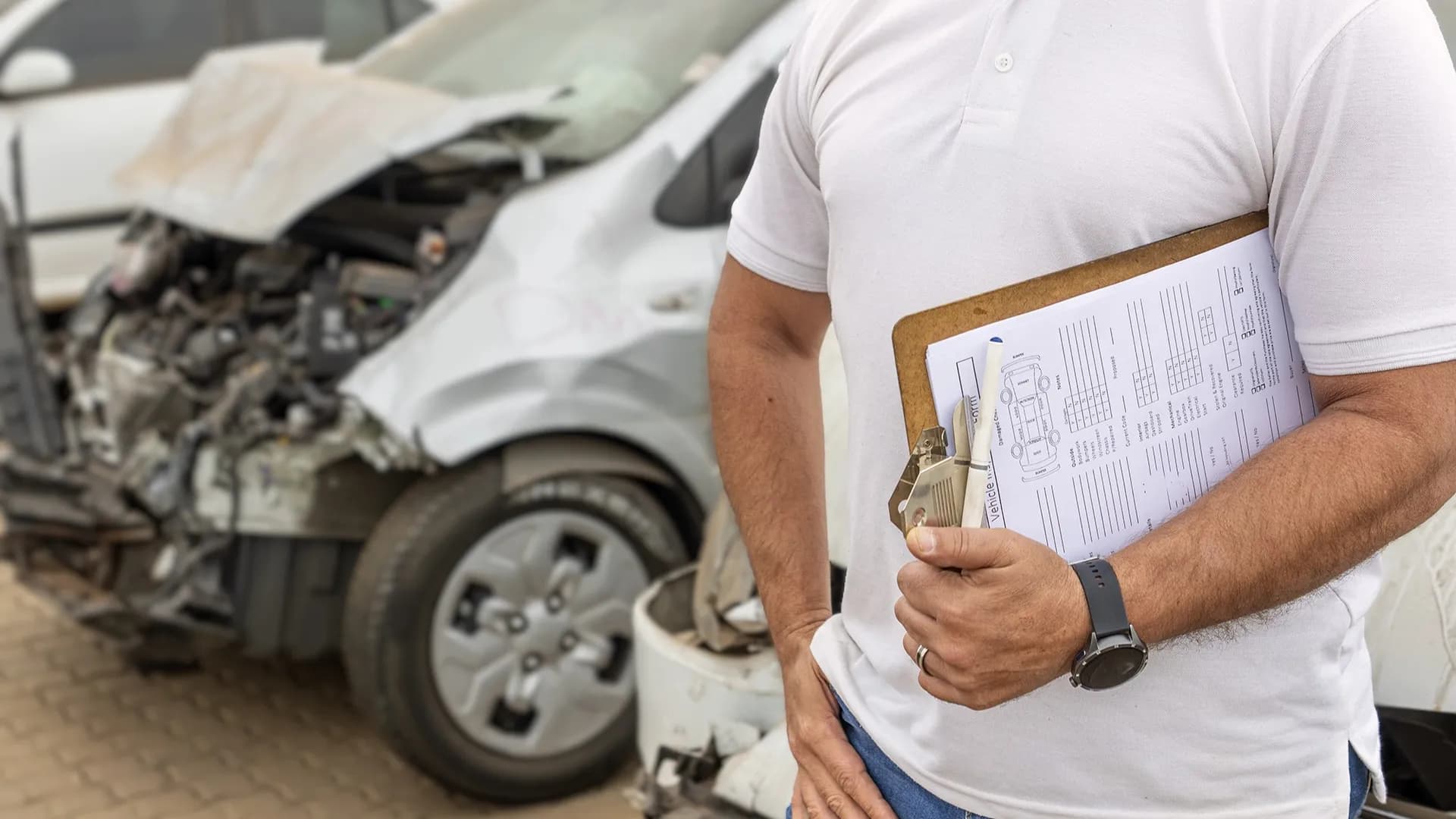
What Affects Scrap Value
Make, damage type, running condition and regional demand determine offers.
Compare Total Value
Evaluate offers including towing, paperwork and settlement timing.
SA-Specific Steps
Check deregistration, finance status and free collection options nationwide.
Overview: What "scrap car price comparison" means in South Africa
When you search for scrap car price comparison South Africa, you’re looking to understand how different buyers value vehicles that are damaged, non-running or written off. Prices vary because buyers consider salvage demand, parts value, tow costs, paperwork complexity and local market differences between metros like Johannesburg, Cape Town and Durban. This guide explains the main drivers of value and gives practical ways to compare competitive cash offers safely.
Key factors that change scrap valuations
- Vehicle make, model and year (parts demand differs by brand).
- Extent and type of damage (mechanical, structural, flood, fire).
- Whether the car is running or needs towing - towing affects net offer.
- Regional salvage demand and transport costs to local breakers or auction yards.
- Administrative burden: vehicles under finance or with incomplete paperwork can reduce offers.
Note: This article compares valuation drivers and typical impacts; it does not provide specific sale offers. Actual prices depend on vehicle details, market conditions and buyer appraisal.
When to sell as scrap vs repair or trade in
Deciding whether to sell for scrap, repair, or attempt a private sale depends on repair cost relative to the car’s pre-damage market value, the time and effort you can invest, and safety or legal considerations. For many owners in South Africa, selling to a specialist buyer can reduce risk and logistics - especially if the car is non-running or written off.
Quick decision guide
- If repair costs approach or exceed a large portion of market value, selling is often the simpler choice.
- If the vehicle is under finance, inform the financier; specialist buyers often handle settlement steps but the process can affect timing.
- If the vehicle is still road-legal and repairs are affordable, a repair followed by private sale may return more - but it takes time and effort.
Repair cost vs value retained (illustrative percentages)
| Repair scope | Typical repair cost impact | Approx. value retained (illustrative) |
|---|---|---|
| Minor cosmetic/bumper repairs | Low to moderate | High (80-95% of pre-damage market value) |
| Major mechanical repairs (engine/gearbox) | Moderate to high | Variable (40-75%) |
| Structural/frame or flood/fire damage | Very high or uneconomical | Low (often under 50%) |
These percentages are illustrative and intended to help compare options without quoting offers. For a vehicle-specific valuation, start with a quick online submission - our online process simplifies this step and helps you compare offers quickly. Visit the Sell Non-Running Car page for guidance on non-running vehicles, or learn about our approach on the How it works page.
How the scrap valuation process typically works
Most reputable buyers follow a repeatable process: you provide make/model/year, mileage and photos; the buyer assesses parts value and salvageability; then an offer is made that factors in towing and paperwork. For South African sellers, confirm whether free towing and paperwork handling - including deregistration - are included when comparing offers.
Damage types vs typical offer impact
| Damage type | Typical impact on offer | Why it matters |
|---|---|---|
| Mechanical failure (engine/gearbox) | Moderate reduction | Buyers consider cost to repair or sell core components. |
| Structural/frame damage | Significant reduction | Frame damage limits resale and parts reuse. |
| Flood or fire damage | Often severe reduction | Electrical and corrosion issues reduce parts value long-term. |
| Minor panel and bumper damage | Low to moderate reduction | Parts remain valuable and repairs are straightforward. |
Legal & paperwork considerations in South Africa
Paperwork can materially affect the net amount you receive and the speed of settlement. Key points for South African sellers:
- Deregistration and transfer: confirm whether the buyer handles deregistration or transfer of ownership to avoid future liabilities.
- Vehicles under finance: you must settle the outstanding debt with the financier. Reputable buyers can coordinate settlement but timelines vary.
- Documentation: having ID, original registration papers and a clear disclosure of the vehicle’s condition speeds up offers and collection.
If you want to understand the operational steps a specialist buyer uses, our Sell Damaged Cars page outlines what to expect from submission to collection.
Tips to compare offers and maximise value
- Provide clear photos from multiple angles and show odometer and VIN - better detail helps buyers give more accurate, competitive cash offers.
- Disclose known issues honestly - undisclosed problems can void agreements later.
- Ask whether towing and paperwork are included and whether the buyer handles deregistration; these inclusions reduce your net effort and often improve the practical value of an offer.
- Get several comparable quotes and consider total convenience (speed, included services) as part of the comparison, not just the headline number.
What happens after collection
After you accept an offer and the vehicle is collected, reputable buyers will complete paperwork steps and arrange payment. Many services in South Africa offer immediate or near-instant payment verification once ownership transfer is finalised. Confirm the payment method and timeline before collection to avoid surprises.
For a simple start, compare offers by submitting your vehicle details online on the main site homepage. Our online form speeds up comparisons and helps you assess competitive options without committing to a sale: Sell Your Damaged Car homepage. To learn more about policies and how we manage collections, see About / How it works.
Final practical notes
- Market conditions change seasonally; compare quotes close together in time for best parity.
- Nationwide services that include free towing and paperwork handling often provide better overall value for sellers in Johannesburg, Cape Town, Durban and surrounding areas.
- Keep records of all communications and receipts until the deregistration is confirmed.
Sources
Seasoned automotive specialists dedicated to helping you turn your damaged or non-running vehicle into cash fast and hassle-free.
Disclaimer: This content is for educational purposes only. Product availability, pricing, and specifications are subject to change. Always verify current details on the retailer's website before making a purchase. We may earn affiliate commissions from qualifying purchases.
Why sell your damaged car to us?

A Division of Auction Nation, the leading expert in selling damaged cars

Best price for your damaged car

Get a cash offer within 24h

We buy damaged cars in any condition

We buy accident- damaged cars still under finance

Free, no obligation offer on your vehicle
How We Calculate Your Damaged Car’s Value
Wondering how we calculate your car’s value? At Sell Your Damaged Car, we look at: Your car’s real condition, its salvage value, and the current market demand. It’s all about honesty, transparency, and fairness — that’s how we determine your offer.
Frequently Asked Questions
Get answers to common questions about Comparison And Alternatives
Why Choose Sell Your Damaged Car?
Free Towing
Need a tow? We got you
Hassle Free
Get a cash offer within 24h!
Nationwide
Somewhere remote? No problem!
