
Salvage Vehicle Sale Tips for South Africa - Maximise Value, Minimise Hassle
Practical tips to sell a salvage vehicle in South Africa: document damage, compare offers, understand deregistration and finance implications, and improve sale outcomes.
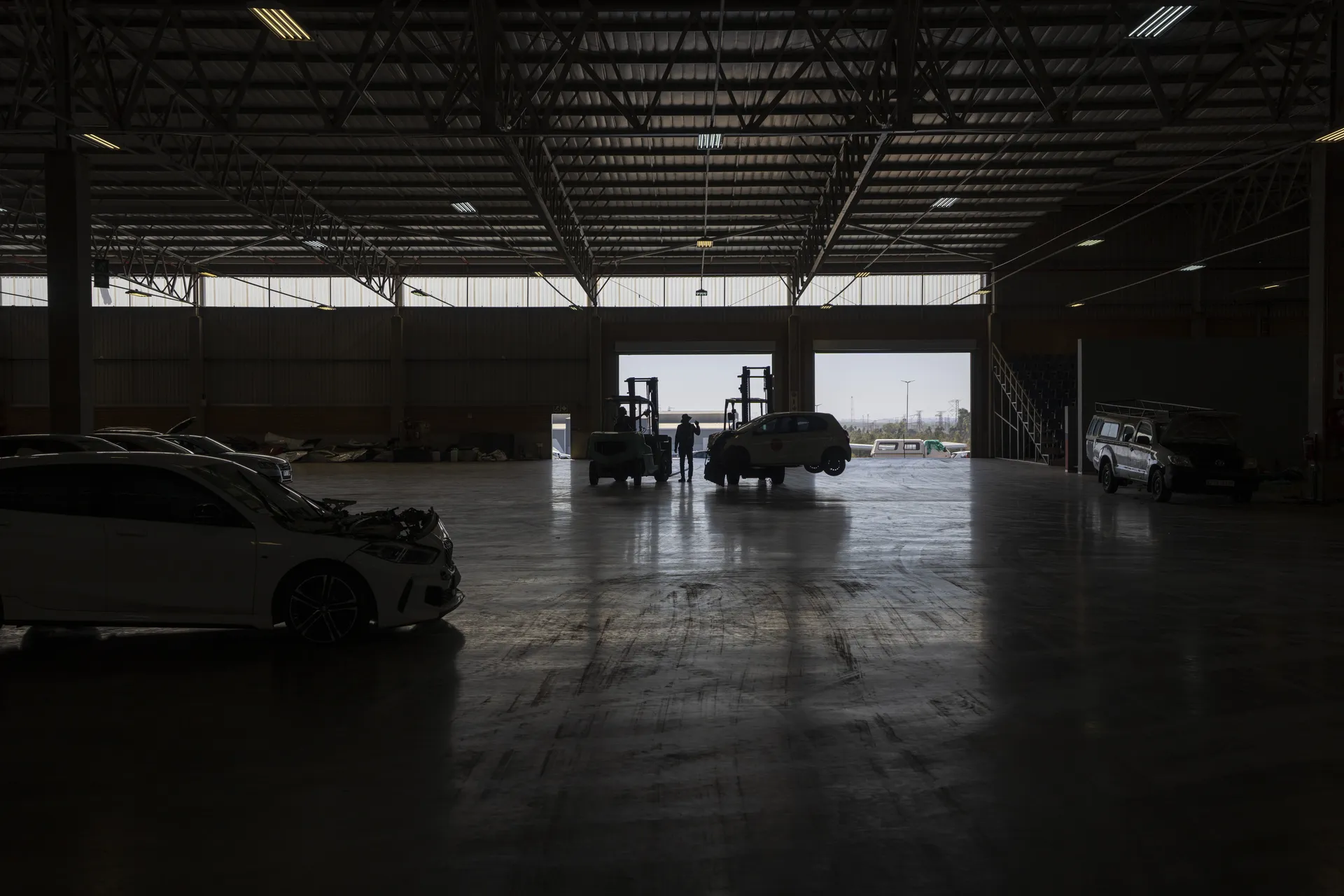
Overview: Selling a Salvage Vehicle in South Africa
Selling a salvage vehicle in South Africa requires a clear understanding of market expectations, paperwork obligations and realistic pricing. Whether the car is accident-written-off, flood-damaged, fire-affected or mechanically non-running, following methodical steps increases your chances of a competitive cash offer and a fast sale. This guide provides practical tips for private owners and small-fleet managers in Johannesburg, Cape Town, Durban and across the country.
What we mean by salvage vehicle
A salvage vehicle is any car that has sustained damage significant enough that it may be written off by insurers or is uneconomical to repair. Salvage conditions vary from structural damage to major mechanical failure. South Africa's salvage market includes dismantlers, repairers looking for donor parts, and exporters-each values salvage differently.
Key early steps
- Document the damage with clear photos (multiple angles, VIN, odometer).
- Gather service history, ownership documents, and any insurer or accident reports.
- Check whether the vehicle is under finance; if so, contact your finance house about settlement options.
Repair cost vs value retained
| Estimated Repair Cost (R) | Likely Value Retained (%) | Seller Consideration |
|---|---|---|
| R5,000 - R20,000 | 70% - 90% | Minor repairs often boost private-sale value, but factor time and towing costs. |
| R20,000 - R60,000 | 40% - 70% | Major structural or engine work-repair may not justify expense; selling as salvage can be better. |
| R60,000+ | 10% - 50% | Extensive damage often signals write-off; salvage sale typically recovers more net value when factoring repair risk. |
South Africa note: Repair costs and retained value vary by region and model. Parts availability and local demand (e.g., high-demand models in Cape Town vs Johannesburg) affect offers.
When to sell a salvage vehicle vs repair it
Deciding whether to repair or sell depends on several factors: repair cost estimates, the vehicle's pre-accident market value, insurance settlement terms, time you can invest, and the likelihood of completing legal roadworthy repairs. Use the following considerations to guide your decision.
Practical decision checklist
- Obtain multiple repair quotes from reputable workshops and compare to expected resale value.
- If the repair exceeds roughly 40%-60% of pre-accident market value, a salvage sale is usually more practical.
- Consider immediate cash needs: a quick salvage sale often yields faster net funds than waiting for repairs and sale.
- For vehicles under finance, contact the lender-settlement may be required before sale.
Damage types vs typical offer impact
| Damage Type | Typical Offer Impact | Notes |
|---|---|---|
| Minor cosmetic (panels, bumper) | Lower impact | Easier to repair; private sale may fetch more. |
| Structural/frame damage | High negative impact | Often classed as write-off by insurers; salvage buyers reduce offers accordingly. |
| Engine/transmission failure | Moderate to high impact | Non-running vehicles reduce offers, but parts demand can offset some loss. |
| Flood or fire damage | Very high negative impact | Serious long-term issues; many buyers avoid full repairs, focusing on parts. |
Use these tables as a guideline-final offers depend on make, model, year and the local salvage demand in South Africa.
How the salvage sale process typically works
A clear, documented process reduces delays and builds buyer confidence. Below is a practical sequence many reputable buyers follow; using a specialist service that offers free collection and paperwork handling can simplify each step.
Typical steps
- Photograph the vehicle thoroughly (interior, exterior, VIN plate, engine bay and odometer).
- Provide accurate details: make, model, year, mileage, and a candid damage description.
- Receive a written cash offer based on supplied information and market checks.
- Accept the offer and confirm collection. Agree who handles deregistration and settlement if the vehicle has outstanding finance.
- Transfer ownership paperwork at collection; receive payment per agreed terms.
Legal & paperwork considerations in South Africa
Compliance with South African vehicle transfer rules and finance obligations is crucial. Ensure you understand deregistration, clearance of finance, and how to document the sale of a salvage vehicle to avoid future liability.
- Always disclose prior damage and salvage history in the record of sale to the buyer.
- If the vehicle is financed, obtain a settlement figure from the finance house-outstanding amounts typically must be cleared before the new owner can register the vehicle.
- Keep copies of all paperwork: ID, registration certificate, title transfer forms and any deregistration documentation.
Tips to maximise your offer
- Be transparent: detailed photos and honest descriptions reduce lowball offers created by buyer uncertainty.
- Clean the vehicle and remove personal items-presentation helps even for non-running cars.
- Provide maintenance records and part-replacement receipts; documented service history improves perceived value.
- Get multiple offers from salvage buyers and dismantlers-compare not only price but inclusions like free towing and handling of deregistration.
What happens after collection
After collection, the buyer will typically transport the vehicle to a dismantler, repairer or export yard. You should receive a receipt and confirmation of ownership transfer. If you used a service that handles paperwork and deregistration, verify the deregistration documentation and payment clearance. Keep records for tax or future reference.
Common pitfalls and how to avoid them
- Avoid speculative private repairs without solid buyer commitment-unrecovered costs reduce net return.
- Be cautious with buyers who request incomplete paperwork or cash-in-hand without a written record.
- Confirm who will clear the vehicle from any traffic fines or e-toll liabilities before transfer.
Further resources and trustworthy links
For additional checks and to compare options, consider reading our related resources on selling non-running or damaged cars and advice about avoiding scams in the vehicle market.
Sources
- South African Department of Transport - Official information on vehicle registration
- Automobile Association of South Africa - Advice on vehicle repairs and insurance
- Statistics South Africa - Context on regional vehicle markets and economic indicators
Estimated figures in this guide use R (South African rand) and are indicative ranges; actual repair costs and offers depend on specific vehicle data and local market conditions.
Seasoned automotive specialists dedicated to helping you turn your damaged or non-running vehicle into cash fast and hassle-free.
Disclaimer: This content is for educational purposes only. Product availability, pricing, and specifications are subject to change. Always verify current details on the retailer's website before making a purchase. We may earn affiliate commissions from qualifying purchases.
Why sell your damaged car to us?

A Division of Auction Nation, the leading expert in selling damaged cars

Best price for your damaged car

Get a cash offer within 24h

We buy damaged cars in any condition

We buy accident- damaged cars still under finance

Free, no obligation offer on your vehicle
How We Calculate Your Damaged Car’s Value
Wondering how we calculate your car’s value? At Sell Your Damaged Car, we look at: Your car’s real condition, its salvage value, and the current market demand. It’s all about honesty, transparency, and fairness — that’s how we determine your offer.
Frequently Asked Questions
Get answers to common questions about Tips And Advice
Why Choose Sell Your Damaged Car?
Free Towing
Need a tow? We got you
Hassle Free
Get a cash offer within 24h!
Nationwide
Somewhere remote? No problem!
