
Salvage Parts Pricing Factors 2025 - What Drives Value in South Africa
Explore the factors affecting salvage parts pricing in 2025 in South Africa: market demand, condition, documentation, repair vs sell decisions, and practical tips.
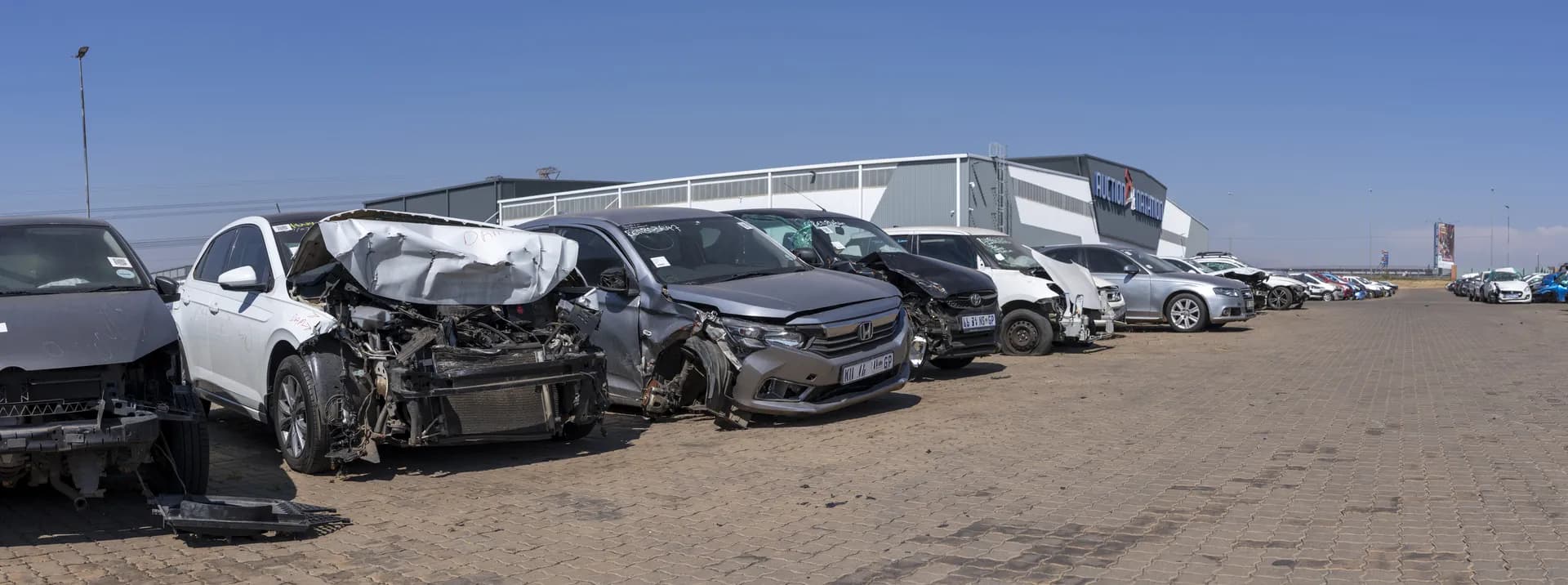
Primary Price Drivers
Supply, demand, condition, documentation and macro factors shape 2025 pricing.
Sell vs Repair Checklist
Compare repair cost to retained value and demand for specific parts.
SA Practical Steps
Clear photos, ownership docs and deregistration speed offers and payment.
Overview: Salvage parts pricing in 2025
Salvage parts pricing in 2025 reflects a mix of global supply-chain shifts, local demand for replacement components, and South African regulatory and insurance practices. Whether you own an accident-written-off vehicle, a flood-damaged car, or a non-running fleet unit, understanding these pricing factors helps you make better decisions about selling the vehicle whole, parting it out, or repairing it. The term salvage parts refers to reusable components removed from damaged vehicles and sold into repair, restoration or export channels.
Key price drivers
- Availability and demand: popular makes/models (e.g., VW Polo, Toyota Hilux) command higher prices.
- Condition and completeness: intact electronics, airbags, and undamaged body panels increase value.
- Market channels: local workshops, breakers-yards, and export buyers each offer different rates.
- Regulatory & documentation status: clear title and deregistration ease transfer and raise offers.
- Macro factors: currency fluctuations (ZAR), import tariffs and global parts shortages affect 2025 pricing.
Note (South Africa): Free towing, cleared paperwork and proof of ownership make a vehicle more attractive to breakers and buyers. For an overview of how our service handles paperwork and collection, see the About / How it works page.
Repair cost vs value retained
A simple way to decide whether to sell parts or repair is to compare estimated repair costs to the vehicle's retained value after repair. The table below shows representative ranges for common scenarios in South Africa. Figures are estimates and will vary by region, vehicle age and condition.
| Scenario | Typical repair cost (R) | Estimated value retained (%) | When to consider selling |
|---|---|---|---|
| Minor bumper & light damage | R3,000 - R12,000 | 85% - 95% | Repair if low labour cost; sell parts if repair > 30% of market value |
| Structural/front-end damage | R20,000 - R120,000+ | 30% - 70% | Consider parting out or selling as salvage |
| Engine or gearbox failure | R15,000 - R80,000 | 40% - 75% | Sell core parts if repair or replacement expensive |
Damage types vs typical offer impact
Different damage types affect salvage-parts pricing in predictable ways. The table below summarises typical impacts for 2025, noting that offers still depend on specifics.
| Damage type | Typical effect on offers | Notes (SA context) |
|---|---|---|
| Cosmetic (panels, lights) | Moderate reduction | Panels in good shape fetch demand in metros like Cape Town and Joburg |
| Structural/chassis | Large reduction | Often classed as written-off; parts price driven by salvageable components |
| Flood / water ingress | Significant reduction | Electronic modules and interiors lose value; mechanical cores sometimes still valuable |
| Engine/gearbox intact | High value for cores | Core units can sell well to workshops and rebuilders - especially for popular models |
For vehicle owners considering their options, our Sell Damaged Cars page explains what we buy and how parts condition affects offers.
When to sell parts versus repair
Deciding between selling salvage parts, parting out the vehicle, or repairing it depends on:
- Cost-to-repair ratio: if repair exceeds ~40% of pre-accident market value, selling is often better.
- Market demand for specific parts: high-demand cores and electronics can justify parting out.
- Administrative overhead: deregistration, transfer and towing costs affect net proceeds.
If you want a quick whole-vehicle offer (including free towing and paperwork support), our homepage describes the online valuation process and what documents help speed payment.
How the salvage market channels work in SA
Buyers range from local breakers and independent workshops to exporters and insurance salvage pools. Prices differ by channel: local workshops pay less than export buyers for certain parts, while certified breakers may pay a premium for documented cores. Understanding buyer specialization helps set realistic expectations for 2025 pricing.
How the process works when selling salvage parts or vehicles
Typical steps for converting a damaged vehicle into cash or parts include: prepare detailed photos, disclose known faults, supply ownership documents, receive offers, and arrange collection or drop-off. Services that handle towing, paperwork and deregistration reduce friction and often produce higher net returns for sellers.
Legal & paperwork in South Africa
Proper documentation matters. Buyers in 2025 look for clear proof of ownership, valid ID, and any finance settlement confirmation where applicable. Vehicles under finance need a settlement figure from the financier before transfer; selling without disclosing finance is risky. Deregistration procedures vary - use reputable services to ensure the vehicle is removed from your name.
Tips to maximise your salvage offer
- Photograph high-value components (dash clusters, ECU, turbo, injectors) clearly and separately.
- Provide accurate service history where available - buyers pay more for maintained cars.
- Keep removable parts (wheels, batteries, infotainment) safe and available for inspection.
- Disclose any finance or insurance claims - transparent sellers attract faster, cleaner offers.
- Compare offers from local breakers, specialised salvage buyers and export-focused firms for the best outcome.
What happens after collection
After a buyer collects the vehicle or parts, expect paperwork completion (transfer or bill of sale), confirmation of payment and, where applicable, deregistration confirmation. Payment timing differs by buyer; services that verify payment immediately before collection minimise payment risk. If you sold parts privately, keep receipts and signed agreements to avoid disputes.
Practical South African examples (2025)
Example A: A 2015 hatch with a written-off front end but intact engine and gearbox can yield strong offers for its cores from rebuilders, especially if documentation is complete. Example B: A flood-affected interior reduces offers for cabin items dramatically, though the drivetrain might still attract interest - expect a notable discount for water-damaged electrics.
Where to learn more and next steps
If you want to compare selling the whole car versus parting it out, our Sell Non-Running Car page explains options for non-starters and how condition affects cash offers. For details on the wider process and trust signals we provide, revisit the About / How it works overview.
Final considerations
Salvage parts pricing in 2025 will continue to reflect local demand patterns in Johannesburg, Cape Town and Durban, the availability of ready-to-fit components, and macroeconomic forces. Accurate listings, transparent paperwork, and choosing buyers who handle towing and deregistration will generally produce the most reliable outcomes for South African sellers.
Sources
- eNaTIS (electronic National Traffic Information System) - South African vehicle registration and transfer guidance
- Automobile Association of South Africa - Advice on vehicle maintenance, repair and ownership considerations
- Statista - Market data and trends for used-car and parts markets (global and regional)
Seasoned automotive specialists dedicated to helping you turn your damaged or non-running vehicle into cash fast and hassle-free.
Disclaimer: This content is for educational purposes only. Product availability, pricing, and specifications are subject to change. Always verify current details on the retailer's website before making a purchase. We may earn affiliate commissions from qualifying purchases.
Why sell your damaged car to us?

A Division of Auction Nation, the leading expert in selling damaged cars

Best price for your damaged car

Get a cash offer within 24h

We buy damaged cars in any condition

We buy accident- damaged cars still under finance

Free, no obligation offer on your vehicle
How We Calculate Your Damaged Car’s Value
Wondering how we calculate your car’s value? At Sell Your Damaged Car, we look at: Your car’s real condition, its salvage value, and the current market demand. It’s all about honesty, transparency, and fairness — that’s how we determine your offer.
Frequently Asked Questions
Get answers to common questions about Tips And Advice
Why Choose Sell Your Damaged Car?
Free Towing
Need a tow? We got you
Hassle Free
Get a cash offer within 24h!
Nationwide
Somewhere remote? No problem!
