
Salvage Car Valuation in South Africa - How Offers Are Determined
Learn how salvage car valuation works in South Africa, what affects offers, legal steps, and practical tips to improve your cash outcome for damaged or written-off vehicles.
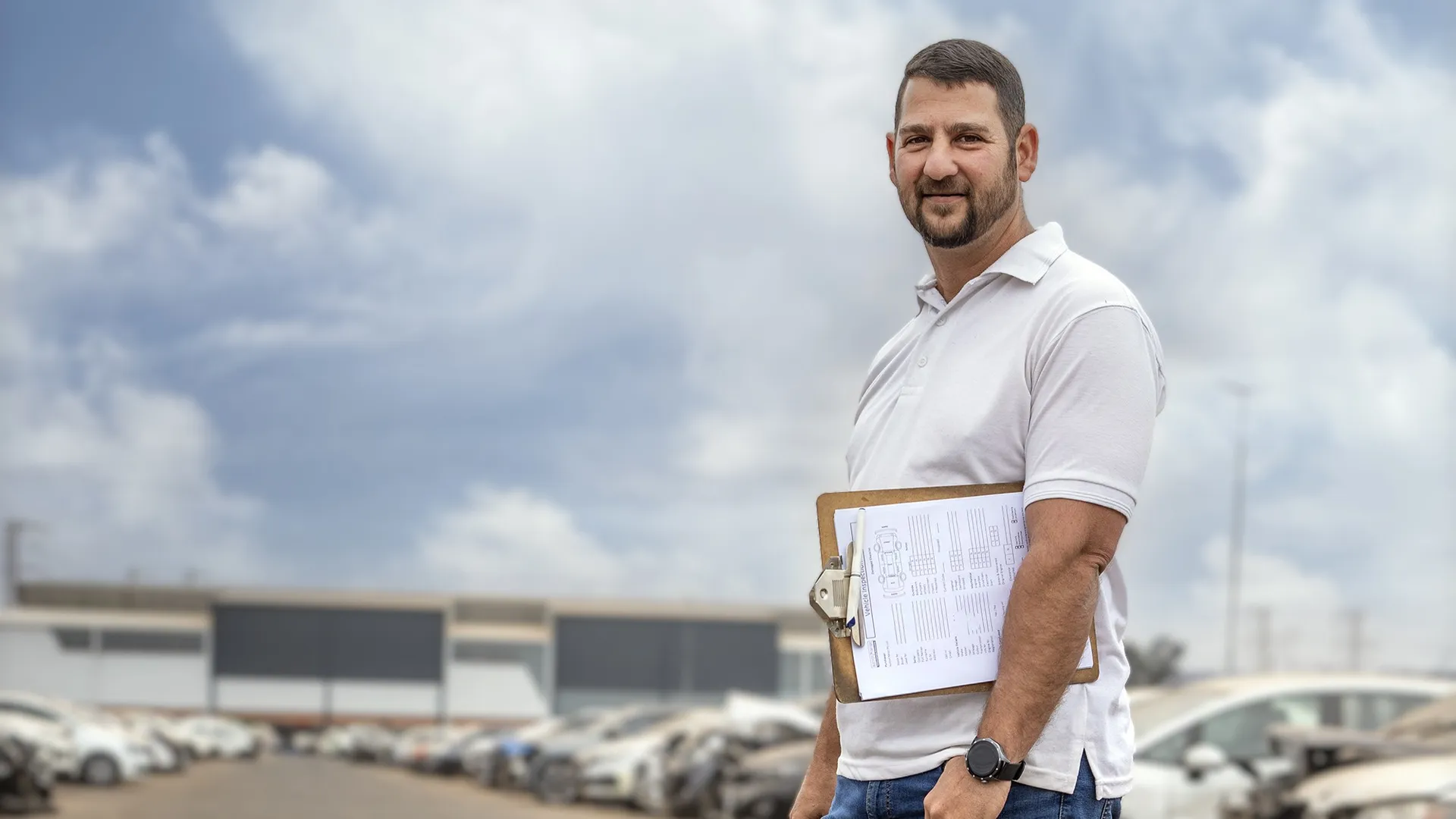
What Affects Salvage Value
Damage type, repair cost, parts demand and legal status determine offers.
Practical Valuation Steps
Submit VIN and photos, compare repair vs market value, request multiple offers.
SA-Specific Paperwork
Check finance, deregistration and get proof of ownership transfer.
Overview: What salvage car valuation means in South Africa
Salvage car valuation is the process of estimating the cash value of a vehicle that has been damaged, written off, flood- or fire-affected, or is otherwise non-running. In South Africa this valuation reflects residual market demand for parts, repair cost estimates, salvage market prices, and legal status such as whether a vehicle is deregistered or still under finance. Knowing how valuers calculate offers helps owners make informed choices between repair, resale, or selling to specialist buyers like Sell Your Damaged Car.
Key inputs used in a valuation
- Vehicle details: make, model, year, mileage and VIN.
- Extent and type of damage: structural, mechanical, cosmetic, flood or fire.
- Repair cost estimates compared to current market value.
- Local salvage market demand for parts and usable components.
- Administrative status: finance, registration and paperwork completeness.
Why valuations vary between buyers
Different buyers (insurers, breakers, specialist car buyers) use distinct pricing models. Insurers may use repair quotes plus salvage recoveries; breakers price for usable parts; specialist buyers factor in towing, transport, and admin costs. Regional demand also matters - parts for a common model in Gauteng may fetch higher salvage prices than in a smaller town.
Practical note: When you request a valuation, provide clear photos (multiple angles), the VIN or chassis number, and an honest description of mechanical faults to improve offer accuracy.
When to sell vs repair
Deciding whether to repair or sell a salvage vehicle depends on a comparison of repair cost, retained market value after repair, and non-financial factors such as time, risk and logistics. Repairs may be worthwhile if the repair cost is a small fraction of the pre-accident market value and if the vehicle will be roadworthy with clear title. Selling is often preferable if repair costs approach or exceed a large portion of the vehicle’s market value, or if you want a quick, low-hassle resolution.
| Repair cost (estimated) | Likely retained value after repair | Suggested action |
|---|---|---|
| Less than 20% of market value | High (near market value) | Repair may be sensible |
| 20%-50% of market value | Moderate (discounted market value) | Consider repair vs sell based on time and finance |
| More than 50% of market value | Low (reduced resale appeal) | Selling as salvage often preferred |
For South African owners, factor in additional costs such as transporting a non-running vehicle to a workshop, VAT or transfer fees if applicable, and the time value of money. Specialist buyers like Sell Your Damaged Car can provide an immediate benchmark offer to help with this decision; see our process overview for details on how offers are prepared.
Learn more about selling non-running vehicles on our Sell Non-Running Car page.
Damage types and typical impact on offers
| Damage type | Typical offer impact | Why |
|---|---|---|
| Minor cosmetic damage | Small reduction | Parts inexpensive to replace; vehicle remains roadworthy |
| Structural/airbag deployment | Large reduction | High repair costs and resale limitations |
| Flood damage | Very large reduction | Electrical and corrosion risks reduce parts value |
| Mechanical failure (engine/gearbox) | Moderate to large reduction | Repairability depends on parts cost and availability |
| Fire damage | Severe reduction | Widespread component loss and safety concerns |
Regional differences matter: for example, demand for certain parts in Cape Town or Durban can alter offers compared with Johannesburg. For an immediate indication, try our online valuation tool on the homepage, where you can upload photos and vehicle details quickly.
How the valuation and selling process works
A typical specialist buyer valuation follows these steps: you submit vehicle details and photos; the buyer assesses condition, regional salvage demand and legal status; they provide a transparent cash offer; if you accept, free towing and paperwork handling are arranged; collection is completed and payment issued. Sell Your Damaged Car follows this flow to provide fast, low-hassle outcomes nationwide.
Practical valuation example for South Africa (estimates)
As an illustration only: if a vehicle had a pre-accident market value of R120,000 and required structural repairs estimated at R70,000, many buyers would discount the offer substantially because repair costs exceed 50% of market value. Each buyer’s salvage market assumptions alter the final offer. These are illustrative figures and not a promise of value.
Legal & paperwork considerations in SA
Before transfer or collection, confirm whether the vehicle is under finance and whether you hold the necessary documents (SAC COC where applicable, service history, ID and bank details). Buyers that handle paperwork can assist with deregistration, clearing ownership records and notifying insurers. If a vehicle is still financed, settlement or lender consent is typically required before transfer of ownership.
- Check finance agreements and contact your lender early.
- Keep the ID book, registration and proof of address ready where possible.
- Use buyers who offer clear paperwork handling to reduce admin burden.
For a straightforward walkthrough of how a specialist buyer handles admin, see our How it works page.
Tips to maximise your salvage valuation
- Provide clear, dated photos of damage and odometer readings.
- Supply the VIN/chassis number and service or parts receipts if available.
- Be honest about issues - accurate info speeds up offers and reduces renegotiation.
- Remove personal items and ensure the vehicle is accessible for collection.
- Consider multiple offers: breakers, insurers and specialist buyers may differ.
What happens after collection
After collection, the buyer either consigns the vehicle to a salvage yard, dismantles it for parts, or, where repair is viable, prepares it for sale through salvage channels. You should receive confirmation of ownership transfer and payment details. If the buyer handles deregistration, request proof that the vehicle has been removed from your name and any lender has been notified.
If you want a practical selling route for non-running or heavily damaged cars, our Sell Damaged Cars page explains the typical timeline from online submission to collection.
Final considerations
Salvage car valuation in South Africa balances repair economics, local parts demand and legal status. Use multiple data points - repair quotes, online offers and specialist valuations - before deciding. For owners seeking a fast, transparent sale with free towing and paperwork handled, a specialist buyer can simplify the process and remove logistics headaches.
Sources
- South African Department of Transport - regulatory guidance and vehicle registration information
- South African Insurance Association - insights on insurance and salvage market practices
- NAAMSA - vehicle market data and trends relevant to valuation
- AA South Africa - owner advice on vehicle repair vs replacement
Seasoned automotive specialists dedicated to helping you turn your damaged or non-running vehicle into cash fast and hassle-free.
Disclaimer: This content is for educational purposes only. Product availability, pricing, and specifications are subject to change. Always verify current details on the retailer's website before making a purchase. We may earn affiliate commissions from qualifying purchases.
Why sell your damaged car to us?

A Division of Auction Nation, the leading expert in selling damaged cars

Best price for your damaged car

Get a cash offer within 24h

We buy damaged cars in any condition

We buy accident- damaged cars still under finance

Free, no obligation offer on your vehicle
How We Calculate Your Damaged Car’s Value
Wondering how we calculate your car’s value? At Sell Your Damaged Car, we look at: Your car’s real condition, its salvage value, and the current market demand. It’s all about honesty, transparency, and fairness — that’s how we determine your offer.
Frequently Asked Questions
Get answers to common questions about Selling Guides
Why Choose Sell Your Damaged Car?
Free Towing
Need a tow? We got you
Hassle Free
Get a cash offer within 24h!
Nationwide
Somewhere remote? No problem!
