
Salvage Car Valuation Durban - How Value Is Assessed & What to Expect
Understand salvage-car-valuation-durban: what affects offers in Durban, how valuations are done, legal paperwork in SA, and tips to maximise your cash offer.
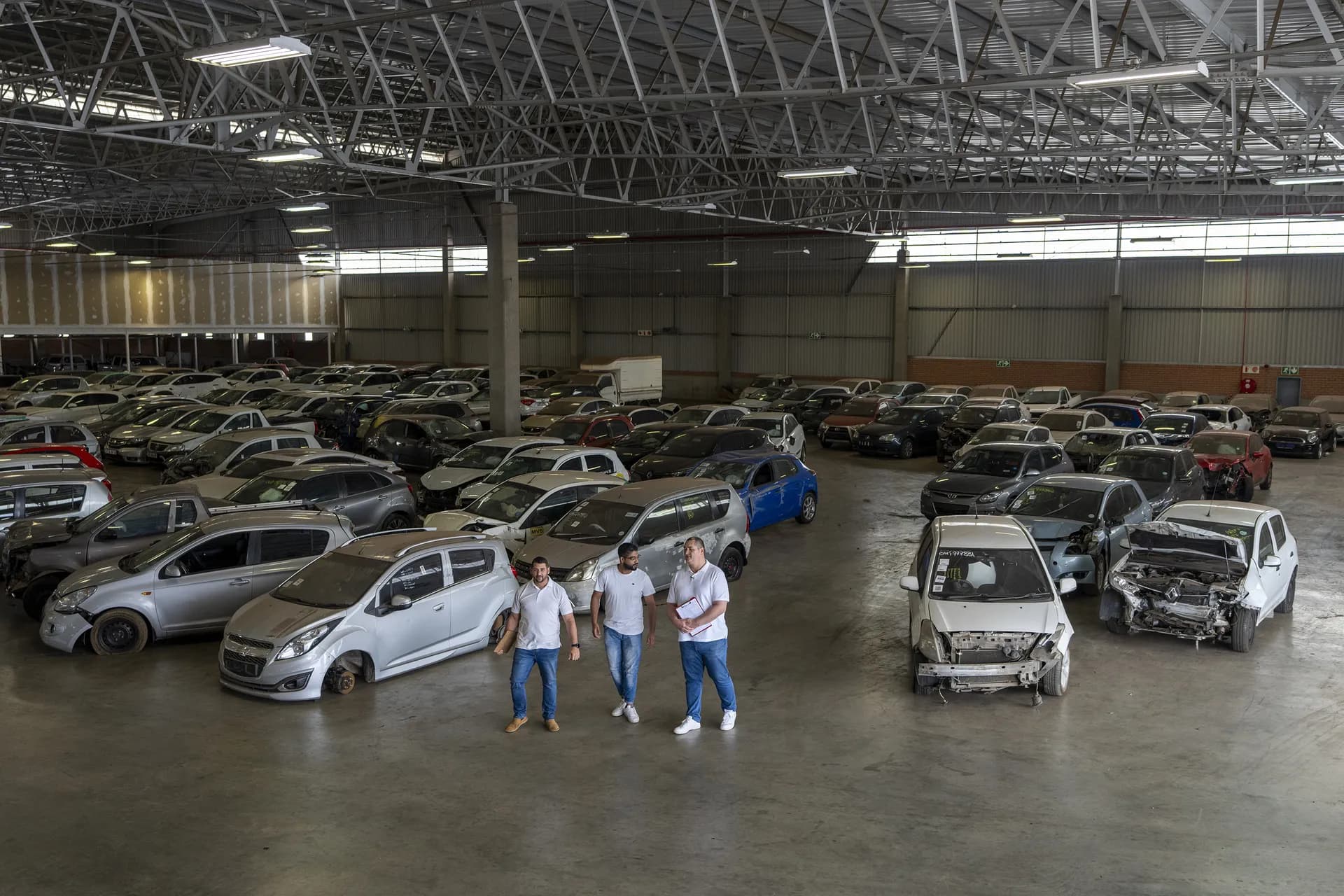
What Drives Valuation
Condition, repair cost, parts demand and local logistics affect offers.
Durban Considerations
Coastal corrosion and local parts markets can change deductions.
Prepare to Improve Offers
Provide clear photos, paperwork and disclose finance for better quotes.
Overview: salvage-car-valuation-durban and why it matters
If you own a written-off, accident-damaged or non-running vehicle in Durban, knowing how salvage car valuation works helps you make better decisions about selling or repairing. This guide explains the specific factors valuers consider in Durban, how market demand and salvageability affect offers, and practical steps to present your vehicle accurately. If you prefer an immediate online valuation after reading, our simple upload process on the homepage gives a fast indication.
Key components of a salvage valuation
A salvage-car-valuation-durban typically combines vehicle pre-accident market value, the estimated repair cost, parts salvage value and local demand for components. Valuers in Durban will also factor in transport logistics and scrap metal prices at the time of assessment. Quotes are presented as cash offers and reflect condition, paperwork status and the ease of collection.
Typical valuation workflow
- Initial online or phone assessment based on make, model, year, mileage and photos.
- Preliminary offer range provided; may be adjusted after on-site inspection if needed.
- Paperwork review (title, outstanding finance, registration) and collection planning.
Local note for Durban owners: coastal areas can show stronger demand for certain parts (e.g., alternators and electrical modules) but also higher corrosion-related deductions for vehicles exposed to salt air.
Repair cost vs value retained (example ranges, South Africa)
| Repair estimate (R) | Likely value retained (estimate) | Typical implication |
|---|---|---|
| R5,000-R15,000 | 60%-85% of pre-accident value | Minor repairs; selling privately or fixing may be viable. |
| R15,000-R40,000 | 30%-60% of pre-accident value | Major repairs; consideration to sell as salvage increases. |
| R40,000+ | Below 30% of pre-accident value | Likely written-off; salvage sale usually preferred. |
These ranges are illustrative and depend on make/model and market conditions in South Africa. Figures are estimates only and will vary by vehicle and inspection.
When to sell vs repair in Durban
Deciding whether to repair or sell a salvage vehicle is a balance of cost, time and risk. Owners in Durban should weigh repair estimates (including hidden corrosion or electrical issues common in coastal zones) against the time and hassle of sourcing parts and trustworthy repairs.
Practical triggers to consider selling
- Repair estimates exceed 50% of the vehicle’s clean market value.
- Vehicle is non-running and towing/repair logistics add significant extra cost.
- Vehicle is written off by insurer or has structural/frame damage that affects safety certification.
For guidance on non-running vehicles specifically, see our Sell Non-Running Car resource which explains collection and valuation steps for vehicles that won’t start.
How the valuation process works with buyers in Durban
A typical salvage valuation in Durban follows an online form and photo review, followed by either a fixed offer or a site inspection. Sell Your Damaged Car uses the online upload to provide rapid, transparent offers nationwide; if you want to learn how we handle assessment and collection, read our About / How it works page for details on paperwork and towing.
Damage types vs typical offer impact
| Damage type | Typical impact on offers | Durban-specific consideration |
|---|---|---|
| Cosmetic (bumper, panel) | Lower deductions; parts often reusable | Good resale market for panels in metro areas |
| Structural/frame | Large deductions; may be written-off | Compliance testing may be required for re-registration |
| Mechanical (engine, transmission) | Moderate-to-high impact depending on repair cost | Transport of non-running units affects net offer |
| Flood or salt corrosion | High deductions due to electrical/corrosion risk | Durban coastal exposure commonly increases deductions |
Legal & paperwork points in South Africa
Valuations also depend on title, outstanding finance and registration status. If the vehicle is under finance, the outstanding balance must be settled or arrangements made before transfer - buyers will factor this into any offer. For details on deregistration and how we handle admin, see the Sell Damaged Cars page which explains paperwork handling and deregistration in South Africa.
Tips to maximise your salvage valuation in Durban
- Provide detailed photos (interior, engine bay, VIN/chassis, all damage angles).
- Be transparent about prior repairs and any outstanding finance.
- Gather service history and keys - complete documents improve offers.
- Remove personal items and secure loose parts to speed up collection.
Small preparation steps often reduce inspection uncertainty and can improve the final offer. Avoid common pitfalls like incomplete paperwork or leaving the vehicle in an inaccessible location that increases towing complexity.
What happens after collection
After you accept a salvage offer, the buyer arranges free towing (nationwide) and completes transfer paperwork. Payment is issued as agreed once documents are verified and the vehicle is collected. If the vehicle was under finance, settlement steps are included in the transfer process to ensure clear title prior to payment release.
Practical Durban example (illustrative)
A 2012 mid-size sedan with front-end damage and non-running condition may attract a salvage valuation adjusted down for repair cost, non-running transport and any salt-corrosion risk - offers vary and examples are not a guarantee. Always request a written offer and clear breakdown of deductions before accepting.
Sources
- National Department of Transport - South Africa
- South African Government - Vehicle registration and deregistration guidance
- AA South Africa - Advice on buying and selling damaged vehicles
If you need a practical, local valuation for a salvage vehicle in Durban, the fastest path is to provide detailed photos and documentation to a reputable buyer so they can account for Durban-specific factors like coastal corrosion and local parts demand.
Seasoned automotive specialists dedicated to helping you turn your damaged or non-running vehicle into cash fast and hassle-free.
Disclaimer: This content is for educational purposes only. Product availability, pricing, and specifications are subject to change. Always verify current details on the retailer's website before making a purchase. We may earn affiliate commissions from qualifying purchases.
Why sell your damaged car to us?

A Division of Auction Nation, the leading expert in selling damaged cars

Best price for your damaged car

Get a cash offer within 24h

We buy damaged cars in any condition

We buy accident- damaged cars still under finance

Free, no obligation offer on your vehicle
How We Calculate Your Damaged Car’s Value
Wondering how we calculate your car’s value? At Sell Your Damaged Car, we look at: Your car’s real condition, its salvage value, and the current market demand. It’s all about honesty, transparency, and fairness — that’s how we determine your offer.
Frequently Asked Questions
Get answers to common questions about Selling Guides
Why Choose Sell Your Damaged Car?
Free Towing
Need a tow? We got you
Hassle Free
Get a cash offer within 24h!
Nationwide
Somewhere remote? No problem!
