
Salvage Car Price Comparison in South Africa - What Affects Value
Compare how damage type, age and market demand affect salvage car prices in South Africa. Learn repair vs sell trade-offs, paperwork tips and ways to maximise offers.
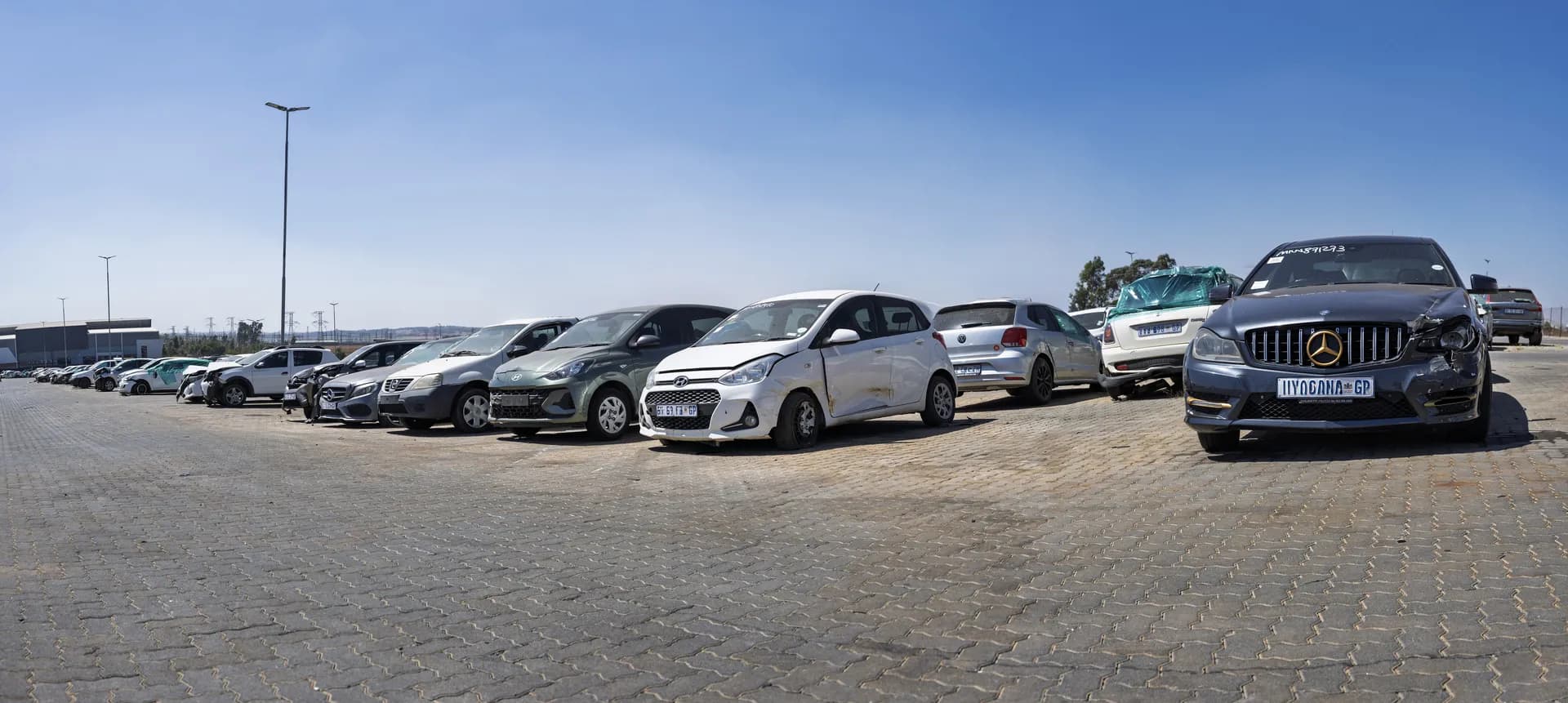
Understand Value Drivers
Damage type, age and demand determine salvage prices.
Compare Repair vs Sell
Use repair estimates and retained-value ranges to decide.
Check Paperwork & Towing
Confirm deregistration, finance settlement and free nationwide towing.
Overview: salvage car price comparison South Africa
A salvage car price comparison in South Africa looks at how damage type, vehicle age, mechanical condition and market demand affect the cash value of vehicles sold for parts, repair or export. For owners in Johannesburg, Cape Town, Durban and surrounding areas, the same factors determine whether a damaged or non-running vehicle is worth repairing or better sold as salvage. This guide explains the core drivers of price, offers practical comparisons, and points to local considerations like deregistration, free towing and the salvage market.
Primary factors that influence salvage prices
- Extent and type of damage (structural vs cosmetic)
- Vehicle make, model and year (demand for parts matters)
- Mechanical running condition and mileage
- Market channels: local scrap, parting-out, rebuild market or export
- Administrative status: written-off, under finance or fully owned
Note: figures referenced below are illustrative estimates for South African market conditions (R values and percentage ranges). Actual offers depend on inspection, complete vehicle details and prevailing salvage demand.
Repair cost vs value retained (illustrative)
| Repair cost band (R) | Typical retained market value after repair (estimate) | When selling salvage may be preferable |
|---|---|---|
| Under R10,000 | ~70%-90% of pre-damage market value | Minor cosmetic or small mechanical fixes |
| R10,000-R50,000 | ~40%-70% of pre-damage market value | Moderate repairs with possible hidden costs |
| Over R50,000 | ~10%-50% of pre-damage market value | Major structural or flood damage - consider selling salvage |
Damage types vs typical offer impact
| Damage type | Typical impact on salvage offer |
|---|---|
| Cosmetic (panels, bumpers) | Smaller reduction; parts resale likely preserves value |
| Mechanical (engine, transmission) | Moderate to significant reduction depending on repairability |
| Structural/frame | Major reduction; often sold for parts or scrap |
| Flood or fire | Severe reduction; electrical and corrosion risks reduce offers substantially |
When to sell vs repair
Deciding whether to repair or sell a salvage vehicle requires comparing estimated repair costs, the likely retained market value, and non-financial factors such as time, risk and convenience. If repair costs approach or exceed the expected retained value after repair - or if repairs introduce ongoing reliability or resale risk - selling as salvage is often the practical choice.
For owners who prefer a fast, low-administrative route, services that buy salvage vehicles in any condition and offer free nationwide towing remove many of the usual hassles. Learn more about how the process works on our About / How it works page or start from the homepage for an overview.
How the process works for salvage sales
A typical salvage sale process in South Africa follows a few straightforward steps: submit vehicle details and photos, receive an indicative comparative valuation, accept an offer, and arrange collection. Many operators - including specialist buyers - provide free nationwide towing, handle paperwork such as transfer or deregistration, and release payment quickly after collection. This reduces logistical barriers for sellers across Johannesburg, Cape Town and Durban.
Practical checklist when comparing salvage prices
- Provide multiple clear photos (three exterior angles, engine bay, interior, odometer).
- Disclose mechanical faults, accident history and whether the car is under finance.
- Ask whether towing, paperwork handling and deregistration are included.
- Confirm identity verification and payment timing to protect against scams.
Legal & paperwork considerations in South Africa
South African sellers should confirm who handles the paperwork and deregistration, and whether the buyer will settle any outstanding finance. If a vehicle is under finance, proceed only with buyers who document finance settlement. Buyers who offer to handle deregistration and provide written receipts reduce risk for sellers. For more detail on selling non-running vehicles and paperwork specifics, see the Sell Non-Running Car guidance and the Sell Damaged Cars page for condition-specific notes.
Tips to maximise your salvage offer
- Be honest and thorough in the online listing; accurate descriptions lead to faster, more reliable prices.
- Remove personal items and provide clear keys and service records where available.
- Combine parts: selling a vehicle with reusable parts intact can attract better offers than a stripped shell.
- Compare offers from specialist salvage buyers and parting-out operations - channel matters for final price.
What happens after collection
After you accept an offer and the vehicle is collected, reputable buyers will complete the agreed paperwork (transfer, deregistration or settlement of finance) and release payment. Payment timing varies by buyer but many release funds shortly after collection and verification. Keep copies of all documents and confirm the buyer’s proof of collection and payment for your records.
Example South Africa scenarios (experience-based)
- A decade-old sedan with cosmetic front-end damage but a sound engine may be worth repairing if the owner values retaining the car; however, if repair estimates exceed the retained market value, selling salvage to a parts buyer often reduces time and uncertainty. - A non-running bakkie with engine failure and high mileage often carries more value when sold for parts rather than costly engine rebuilds; local demand for spares in metros like Durban can influence offers.
Sources
- Sell Your Damaged Car - About / How it works
- Vehicle finance information - Nedbank (South Africa)
- Written-off vehicle definitions and considerations - AA South Africa
- Road safety and accident statistics - Arrive Alive (SA)
This comparison aims to help South African vehicle owners make informed decisions when evaluating salvage car prices. For a direct, competitive cash valuation and nationwide collection options that include free towing and paperwork handling, compare offers from specialist buyers and ensure each quote is documented.
Seasoned automotive specialists dedicated to helping you turn your damaged or non-running vehicle into cash fast and hassle-free.
Disclaimer: This content is for educational purposes only. Product availability, pricing, and specifications are subject to change. Always verify current details on the retailer's website before making a purchase. We may earn affiliate commissions from qualifying purchases.
Why sell your damaged car to us?

A Division of Auction Nation, the leading expert in selling damaged cars

Best price for your damaged car

Get a cash offer within 24h

We buy damaged cars in any condition

We buy accident- damaged cars still under finance

Free, no obligation offer on your vehicle
How We Calculate Your Damaged Car’s Value
Wondering how we calculate your car’s value? At Sell Your Damaged Car, we look at: Your car’s real condition, its salvage value, and the current market demand. It’s all about honesty, transparency, and fairness — that’s how we determine your offer.
Frequently Asked Questions
Get answers to common questions about Comparison And Alternatives
Why Choose Sell Your Damaged Car?
Free Towing
Need a tow? We got you
Hassle Free
Get a cash offer within 24h!
Nationwide
Somewhere remote? No problem!
