
Salvage Car FAQ for Bakkies and SUVs - What South African Owners Need to Know
Answers to common questions about salvage status, selling vs repairing, paperwork and tips to maximise offers for bakkies and SUVs in South Africa.
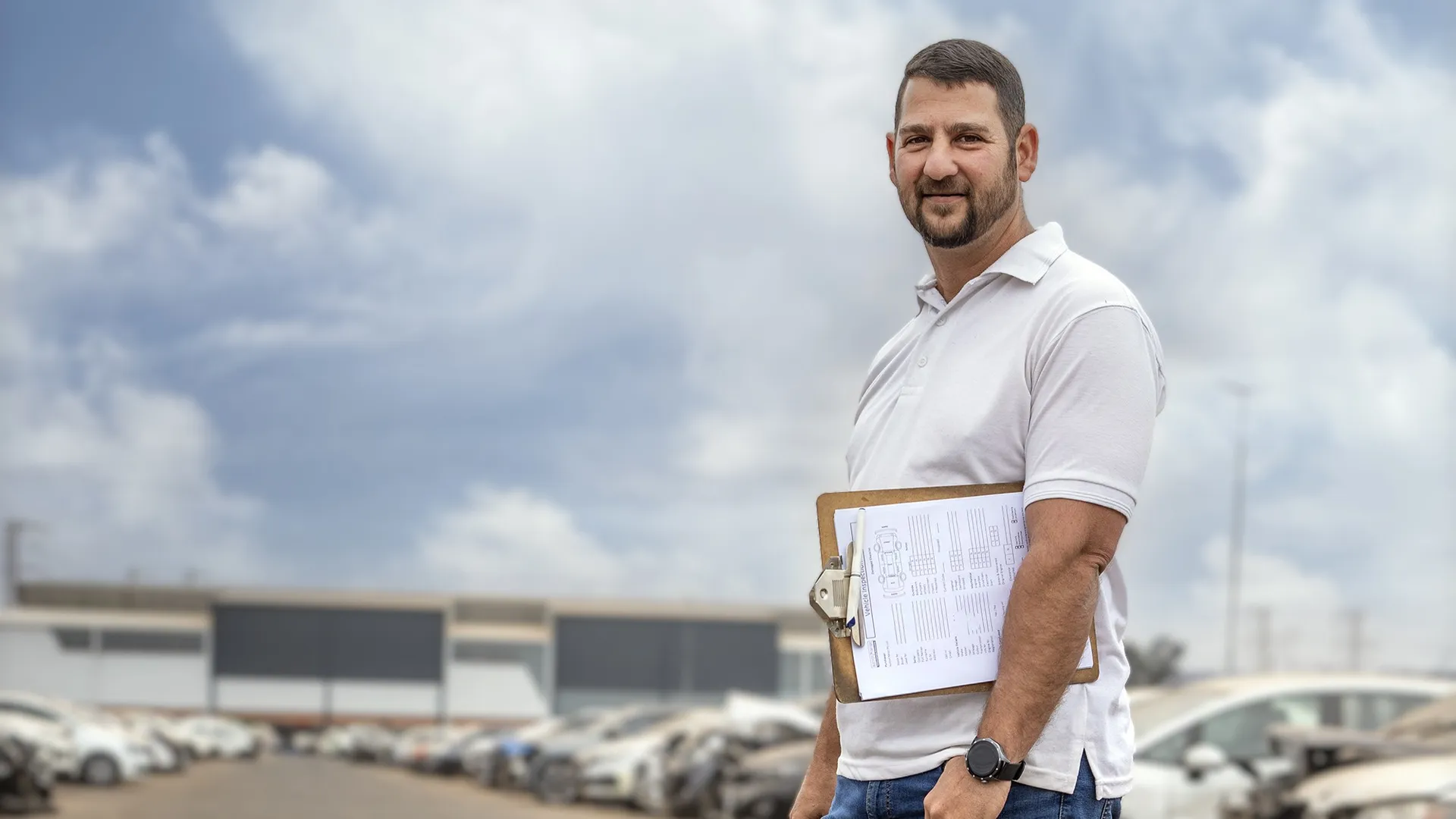
Understand Salvage Impact
Learn how damage type affects offers for bakkies and SUVs.
Sell vs Repair Checklist
Compare repair cost estimates and retained value to decide.
Paperwork & Nationwide Service
Free towing, deregistration help and fast payment across SA.
Overview: What 'salvage' means for bakkies and SUVs
A salvage car generally refers to a vehicle declared a write-off by an insurer or damaged to the point where repair costs approach or exceed market value. For bakkies and SUVs - often higher-value, work or family vehicles - salvage status affects resale, insurance, and the steps you must take to transfer ownership. This FAQ focuses on practical, South Africa-specific guidance for owners considering selling a salvage bakkie or SUV.
When to sell vs repair: practical considerations
Deciding whether to repair a damaged bakkie or SUV depends on repair cost, vehicle value, downtime, and how you plan to use the vehicle after repair. Use estimated figures in R for quick comparisons and treat them as a guide rather than a guarantee.
Repair cost vs retained value (estimates)
| Scenario | Typical repair cost (R, est.) | Value retained after repair (R, est.) |
|---|---|---|
| Minor front-end (bumper, lights) | R5,000 - R25,000 | 70%-90% of pre-accident value |
| Structural/frame damage | R30,000 - R120,000+ | 40%-70% of pre-accident value |
| Engine/transmission failure | R20,000 - R150,000+ | 30%-80% depending on replacement method |
Estimates vary by model, age, parts availability and labour. For some bakkies and SUVs, repairs can be economical; for others, particularly where structural or major drivetrain repairs are needed, selling as salvage may give a faster, lower-risk outcome.
Damage types and how they typically affect offers
| Damage type | Typical impact on salvage offer |
|---|---|
| Cosmetic (panels, paint) | Lower impact; modest reduction in offer |
| Structural/frame | Significantly lowers offers; specialist buyers needed |
| Flood or fire damage | Major reduction; limited buyer pool |
| Mechanical (engine/transmission) | Varies widely; depends on replacement costs and parts |
Note: Offers depend on make, model, year, mileage and the salvage market at the time. For a quick estimate and transparent offer process, consider the online form on the Sell Your Damaged Car homepage or the dedicated Sell Damaged Cars page for details specific to bakkies and SUVs.
How the salvage selling process typically works
A professional salvage sale route usually follows clear steps. Using an online buyer that specialises in damaged vehicles can save time and handle logistics like towing and paperwork.
Typical step-by-step
- Upload vehicle details and photos (make, model, year, mileage and damage).
- Receive a competitive cash offer based on condition and salvage demand.
- Accept the offer; the buyer arranges free towing and collects the bakkie or SUV.
- Paperwork is completed (transfer/deregistration where applicable) and payment is processed.
If you want to learn more about selling vehicles that don’t run, review the Sell Non-Running Car page for guidance specific to non-starters and locked-down engines.
Legal & paperwork in South Africa for salvage vehicles
South African rules around transfer and deregistration apply to salvage vehicles just as they do to roadworthy cars. If a vehicle is written off by an insurer, ensure the insurer's file, owner documentation and any necessary forms are in order before transfer. Buyers who specialise in salvage commonly assist with deregistration and transfer to minimise hassle.
Key documents to prepare
- Vehicle registration (logbook/registration papers) and ID of the seller.
- Police or insurance claim reference if applicable (for theft or insurance write-off).
- Clear proof of ownership and a signed letter of consent if the vehicle is under finance - inform the financier early.
Tips to maximise your salvage offer for bakkies and SUVs
- Take clear photos from multiple angles, including close-ups of damage and odometer reading.
- Provide full service history and receipts where available - maintenance records increase buyer confidence.
- Be honest about structural or flood damage; transparency avoids delays during valuation.
- If the vehicle is under finance, get an accurate settlement figure from your lender to avoid surprises.
What happens after collection: payment, transfer and next steps
After you accept a buyer's offer, a trusted salvage buyer will collect the vehicle, handle transfer paperwork and process payment. Expect the buyer to help with deregistration if required and to issue a receipt of sale. Payment timing varies but many reputable buyers provide fast payment once ownership is transferred.
South Africa-specific notes
- Free towing is commonly offered nationwide, including Johannesburg, Cape Town and Durban - confirm collection times for remote areas.
- If the vehicle is written off by an insurer, discuss whether the insurer or you retain salvage rights - this affects sale options.
- For a clear explanation of how buyers handle collection and paperwork, see our How it works page.
When to choose a salvage sale: real-world South Africa examples
Example 1: A Cape Town owner with a 2014 bakkie that suffered frame damage - repair estimates exceeded R80,000 while resale value after repair looked low; a salvage sale reduced downtime and handled deregistration.
Example 2: A Durban family SUV with limited cosmetic damage - the owner chose repair because repair costs were modest (under R15,000) and resale value remained high for the model. These illustrate that the right choice depends on damage type, repair estimates, and how you value time versus cash.
Sources
- South African Government - Vehicle registration and transfer guidance
- Automobile Association (AA) South Africa - Advice on vehicle condition, safety and costs
- Insurance Crime Bureau (ICB) South Africa - Information on write-offs and insurance handling
If your bakkie or SUV is salvage-affected and you want a quick, transparent estimate or help with collection and paperwork, visiting the Sell Damaged Cars or Sell Non-Running Car pages will explain the online valuation and collection process in detail.
Seasoned automotive specialists dedicated to helping you turn your damaged or non-running vehicle into cash fast and hassle-free.
Disclaimer: This content is for educational purposes only. Product availability, pricing, and specifications are subject to change. Always verify current details on the retailer's website before making a purchase. We may earn affiliate commissions from qualifying purchases.
Why sell your damaged car to us?

A Division of Auction Nation, the leading expert in selling damaged cars

Best price for your damaged car

Get a cash offer within 24h

We buy damaged cars in any condition

We buy accident- damaged cars still under finance

Free, no obligation offer on your vehicle
How We Calculate Your Damaged Car’s Value
Wondering how we calculate your car’s value? At Sell Your Damaged Car, we look at: Your car’s real condition, its salvage value, and the current market demand. It’s all about honesty, transparency, and fairness — that’s how we determine your offer.
Frequently Asked Questions
Get answers to common questions about Damage Types
Why Choose Sell Your Damaged Car?
Free Towing
Need a tow? We got you
Hassle Free
Get a cash offer within 24h!
Nationwide
Somewhere remote? No problem!
