
Salvage Car FAQ - Accident Damage vs Mechanical Failure Explained
Compare accident damage and mechanical failure for salvage cars in South Africa. Learn repair vs sell factors, paperwork, valuation drivers and tips to maximise your offer.
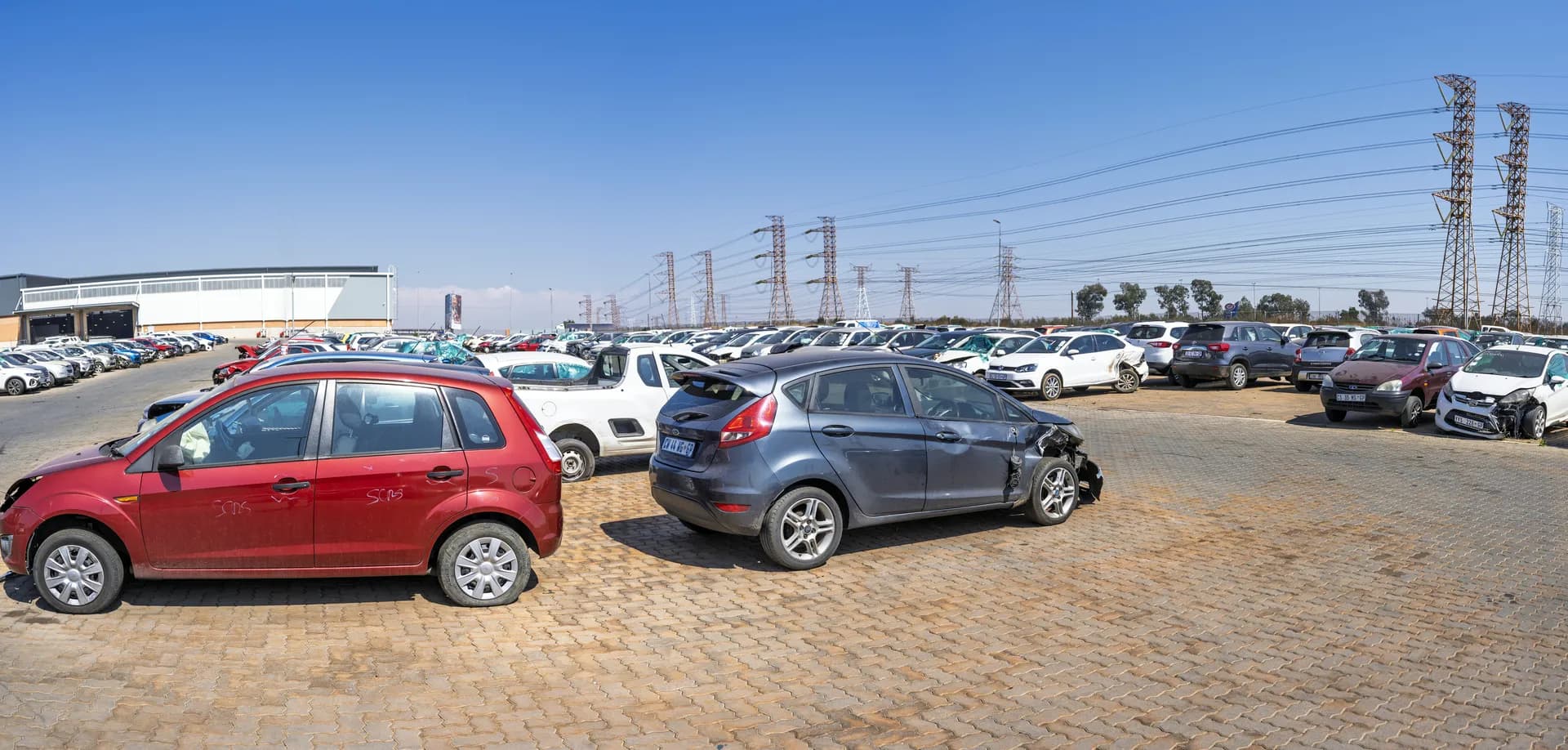
Accident vs Mechanical
Accident damage often affects structure; mechanical failure affects drivability and parts demand.
Paperwork Matters
Declare finance and keep transfer documents; buyers often assist with deregistration.
Regional Market Factors
Demand and logistics differ across Johannesburg, Cape Town, Durban and other areas.
Overview: What a salvage car is and why this FAQ matters
This salvage car FAQ compares accident damage and mechanical failure to help South African owners decide whether to repair, list privately, or sell to a specialist buyer. In South Africa, a "salvage" classification commonly refers to vehicles that are seriously damaged, written off by insurers, or judged uneconomical to repair. The distinction between accident damage and mechanical failure influences market demand, paperwork, towing logistics and final offers.
Key differences at a glance
- Accident damage typically affects body structure, safety systems and can trigger insurer write-offs.
- Mechanical failure involves drivetrain, engine, transmission or electrical faults and may not be visible externally.
- Both types can lead to salvage status, but buyers and salvage yards value them differently based on parts demand and repair complexity.
Note: This guide is informational and focused on South African processes. For a fast valuation or to sell without arranging repairs, see our Sell Damaged Cars page at Sell Damaged Cars.
When to sell vs repair: practical considerations
Deciding whether to repair or sell a salvage car depends on repair cost, vehicle value, safety, and time. In South Africa, repair networks and parts availability vary by city - Johannesburg, Cape Town and Durban tend to have better access to parts and labour than smaller towns. Consider the following:
Repair cost vs retained value
| Scenario | Typical repair cost (estimate, R) | Value retained after repair (estimate) |
|---|---|---|
| Minor accident (bumper, panels) | R5,000 - R25,000 | 70%-90% of pre-accident market value |
| Major accident (structural) | R30,000 - R150,000+ | 30%-70% of pre-accident value |
| Engine/transmission failure | R10,000 - R80,000+ | 40%-80% depending on fix and mileage |
| Total loss (fire/flood) | Often uneconomical | Varies: often low resale unless parts in demand |
These figures are illustrative and presented in R for South African context; actual costs vary by vehicle age, make, model and local labour rates. If repair costs approach or exceed the car's market value, selling for salvage or parts is frequently the more practical option.
How the process works when selling a salvage car
A specialist buyer typically follows these steps: online valuation, offer based on condition and market demand, paperwork handling (including deregistration where applicable), free towing/collection and payment. For a walkthrough of our process and what to expect operationally, consult our About page at About / How it works.
What affects offers from salvage buyers
- Type and extent of damage (structural vs cosmetic).
- Parts demand for the make/model in South Africa.
- Vehicle history: accident records, outstanding finance and registration status.
- Location and ease of collection - metropolitan areas usually lower logistics costs.
Damage types vs typical offer impact
| Damage type | Typical impact on offer |
|---|---|
| Cosmetic (panels, paint) | Moderate reduction; repairable at low cost |
| Structural/frame damage | Significant reduction; affects safety certification |
| Engine/transmission failure | Varies; high demand if replacement engines are available |
| Flood or fire damage | Often severe reduction; electrical systems compromised |
For owners of non-running cars, our Sell Non-Running Car page explains specific collection and valuation steps in detail: Sell Non-Running Car.
Legal & paperwork in South Africa - what to know
Selling a salvage car in South Africa requires clear title and disclosure. Key legal points include ensuring outstanding finance is declared and settled (or confirming the sale process includes settlement), completing the deregistration or change-of-owner forms, and keeping records of the transaction. Specialist buyers often assist with deregistration and transfer paperwork to reduce owner burden.
Vehicles under finance
If your vehicle has outstanding finance, inform the buyer upfront. Many buyers coordinate with lenders so the vehicle can be paid out and transferred correctly. Not disclosing finance can delay payment and legally complicate the sale.
Tips to maximise your offer
- Provide clear photos from multiple angles and highlight damage; accuracy speeds up valuation.
- Supply service history and receipts where available - buyers value documented maintenance.
- Be honest about outstanding finance or previous accident history; transparency prevents later disputes.
- Compare offers from specialist buyers to understand the salvage market for your model and region.
Experience-based examples
Example 1: A 2012 sedan with frontal structural damage may attract lower offers because repairs require certified structural work and replacement airbags. Example 2: A 2010 bakkie with a seized engine but intact body may have higher parts value in regions where that make/model is common - buyers in Cape Town or Johannesburg may pay more for high-demand spare engines.
What happens after collection
After collection, the buyer typically completes administrative checks, settles any finance if arranged, and issues payment. The vehicle will either be dismantled for parts, repaired by a licensed workshop if economical, or sold to a salvage market. Expect confirmation documents and a payment receipt; keep these records for tax and deregistration purposes.
Salvage market context in South Africa
South Africa's salvage market includes breakers, repair shops and international exporters. Demand for parts varies by make, model and regional popularity. Nationwide collection options reduce logistics friction for sellers in smaller towns who would otherwise face towing costs.
Sources
- Department of Transport - South Africa
- Road Traffic Management Corporation (RTMC)
- AA South Africa - motoring advice and vehicle buying/selling guidance
If you want a clear, local valuation without arranging repairs, our homepage details the simple online submission process and nationwide collection: Sell Your Damaged Car. Understanding whether accident damage or mechanical failure defines your salvage outcome helps you set realistic expectations and choose the best route to turn that vehicle into value.
Seasoned automotive specialists dedicated to helping you turn your damaged or non-running vehicle into cash fast and hassle-free.
Disclaimer: This content is for educational purposes only. Product availability, pricing, and specifications are subject to change. Always verify current details on the retailer's website before making a purchase. We may earn affiliate commissions from qualifying purchases.
Why sell your damaged car to us?

A Division of Auction Nation, the leading expert in selling damaged cars

Best price for your damaged car

Get a cash offer within 24h

We buy damaged cars in any condition

We buy accident- damaged cars still under finance

Free, no obligation offer on your vehicle
How We Calculate Your Damaged Car’s Value
Wondering how we calculate your car’s value? At Sell Your Damaged Car, we look at: Your car’s real condition, its salvage value, and the current market demand. It’s all about honesty, transparency, and fairness — that’s how we determine your offer.
Frequently Asked Questions
Get answers to common questions about Damage Types
Why Choose Sell Your Damaged Car?
Free Towing
Need a tow? We got you
Hassle Free
Get a cash offer within 24h!
Nationwide
Somewhere remote? No problem!
