
Salvage Car Auctions in Durban: What Owners Need to Know
Learn how salvage car auctions in Durban operate, legal steps in South Africa, repair vs auction trade-offs, and alternatives like direct buyers with free towing.
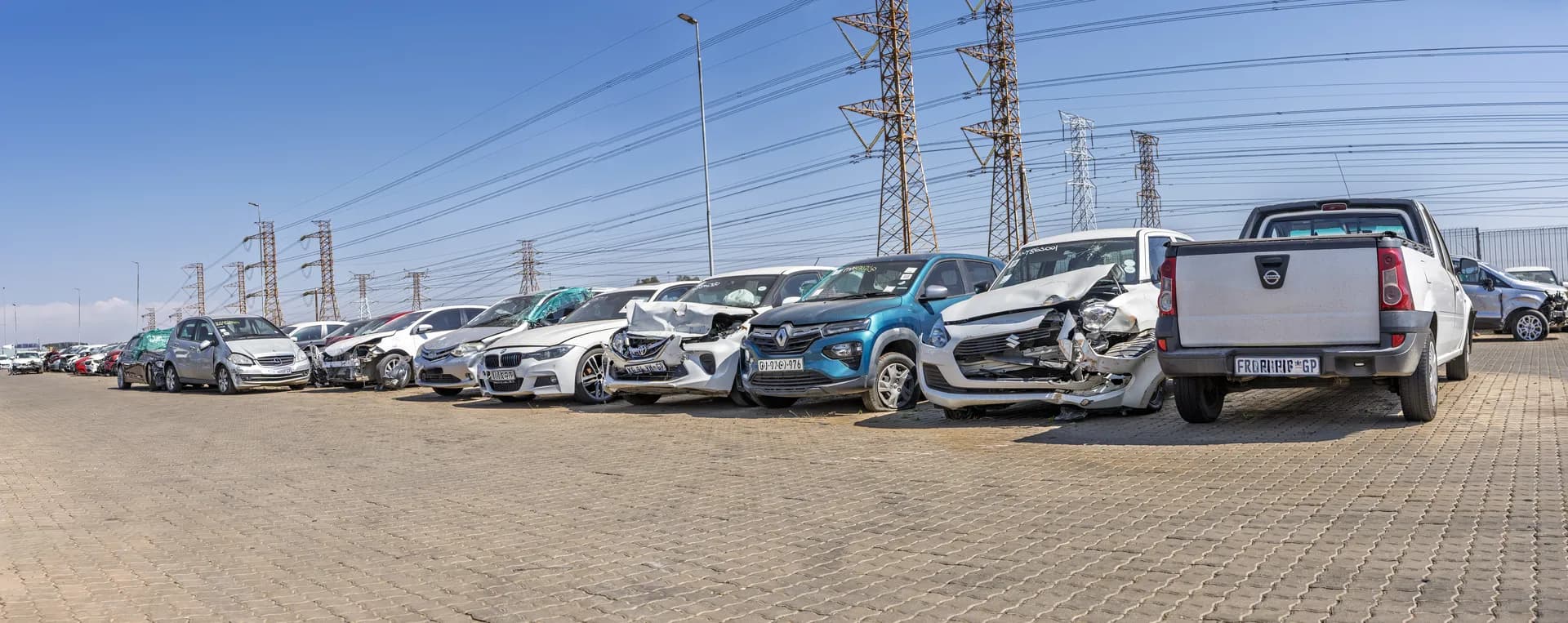
How auctions work
Insurer, auction house or online sales with preview, bidding and collection stages.
Compare your routes
Weigh auction proceeds against direct sale offers that include towing and paperwork.
Know the paperwork
Check finance, transfer requirements and deregistration steps for South Africa.
Overview: Salvage car auctions in Durban
Searches for salvage car auctions Durban often bring up a mix of physical lots, online platforms and insurer-driven sales. Salvage auctions are marketplaces for vehicles that insurers, fleet managers or owners have written off, or for cars recovered after accidents, floods or theft. Buyers at these auctions typically include vehicle recyclers, rebuilders, parts resellers and private buyers prepared to repair or strip the vehicle.
If you own a damaged or non-running car in Durban, understanding how auctions work helps you decide whether to list at auction, sell privately, or use a specialist buyer. Each route has trade-offs in time, effort and likely proceeds. This guide covers how auctions operate in Durban, key legal and paperwork steps in South Africa, and practical tips for getting a fair outcome.
How salvage auctions operate
Auctions may be run by insurance companies, independent auction houses or online platforms. Typical stages include vehicle intake and grading, preview (inspection) days, bidding (live or online), buyer checkout, and transfer of ownership. In Durban metropolitan areas, many auctions follow similar procedures to national events but may have local collection or towing arrangements.
Who attends auctions and why
- Trade buyers (rebuilders, panel beaters) looking for project cars or parts
- Salvage dealers and scrap metal buyers
- Private buyers prepared to repair and re-register a vehicle
When auctions make sense - and when they don’t
Auctions can be efficient when insurers or large fleets need quick disposal, or when the vehicle has clear salvageable value. However, auctions often favour buyers who can assess repair costs quickly and who operate on thin margins. Owners seeking a faster, lower-effort sale - with towing and paperwork handled for them - may find direct sale services more straightforward.
Local note for Durban owners: auction lots may charge collection windows and administrative fees. Factor these into your decision when comparing auction outcomes to other options such as specialist buyers who offer free towing and paperwork handling - see our About page for how we work here.
Repair cost vs value retained (example estimates)
| Typical repair scope | Estimated repair cost (R, range) | Value retained after repair (estimate) |
|---|---|---|
| Minor panel & paint work | R8,000 - R25,000 | 60%-85% of pre-accident value |
| Structural/frame repairs | R30,000 - R120,000 | 30%-60% of pre-accident value |
| Engine/transmission overhaul | R10,000 - R80,000 | 40%-75% of pre-accident value |
Estimates are South Africa-specific and intended as a decision aid. Actual repair quotes depend on make, model, parts availability and labour rates in Durban or surrounding areas.
Damage types vs typical auction impact
| Damage type | Typical effect on auction bids |
|---|---|
| Superficial panel damage | Smaller reduction; buyers expect repairable work |
| Structural/frame damage | Significant discount; attracts trade buyers only |
| Flood or fire damage | Large reduction; often sold for parts or scrap |
| Mechanical failure (non-running) | Varies greatly; depends on engine type and parts cost |
When to sell at auction vs sell directly
Selling at a salvage car auction in Durban can be the right choice if you need a quick, transparent sale and accept that trade buyers will set the market price. Auctions are less attractive if you want a hassle-free collection, paperwork assistance or a sale that avoids buyer inspection windows and possible auction fees. Specialist buyers often offer free towing and handle deregistration - useful if you prefer a simple, low-effort route.
How the process works for owners selling through auctions
- Arrange vehicle intake: provide keys, documentation and vehicle photos.
- Vehicle grading and reserve pricing (if applicable).
- Preview/inpection: buyers view the car in person or through auction photos.
- Auction day: bidding occurs live, online or both.
- Settlement: buyer pays, and the seller arranges transfer (fees may apply).
If you prefer to avoid the auction timeline, you can compare offers from specialist buyers. For example, our site explains options for non-running vehicles and damaged cars and how we manage collection and paperwork; see details on selling a non-running car here and for damaged cars here.
Legal & paperwork considerations in South Africa
- Clear ownership: ensure the vehicle is not encumbered by finance. If it is, inform the auctioneer or buyer and check settlement procedures.
- Deregistration and transfer: transfer must comply with eNATIS and local licensing office processes; many specialist buyers and auction houses provide admin support.
- Written records: keep copies of bills of sale, receipts and deregistration documents for your records.
Tips to maximise value at auction or when selling directly
- Prepare clear photos and honest damage descriptions to build bidder confidence.
- Request an itemised fee schedule from the auction house to understand potential deductions.
- Compare at least two routes: auction vs direct specialist buyer (free towing and paperwork) to see net proceeds after fees and costs.
- If the vehicle is under finance, check settlement figures with your lender before listing.
What happens after sale and collection
After a successful auction sale, the buyer arranges collection or the auction house provides instructions. If selling directly to a specialist buyer, collection terms vary - some services include free nationwide towing and will handle deregistration and transfer admin on your behalf. If you want a straightforward alternative to auctions, compare timelines, fees and support services on the main site homepage.
Practical Durban scenarios
Scenario A: You have a non-running Corolla with panel damage. An auction may attract trade bids but consider a direct buyer who provides a competitive cash offer, free towing from Durban North, and handles deregistration - saving you time.
Scenario B: A flood-damaged bakkie with engine issues often attracts low auction bids and may be more valuable to parts resellers. Get multiple valuations and check collection logistics if sold at auction.
Further reading and how to compare options
If you’re still weighing auctions against direct sale routes, read our About page for how specialist buyers manage valuations and collections here. Comparing clear net proceeds (after auction fees, towing and expected repairs) will guide the right choice for Durban owners.
Sources
- South African Department of Transport - vehicle registration and transfer guidance
- AA South Africa - buyer and owner advice on damaged and salvage vehicles
- Sell Your Damaged Car - services for selling damaged vehicles
- Sell Your Damaged Car - non-running car selling information
This guide is intended for South African vehicle owners, with Durban-specific considerations. Figures and repair ranges are estimates and will vary by vehicle, severity of damage and local labour/parts costs. When in doubt, seek multiple written valuations and confirm any auction fees or administrative charges before committing to a sale.
Seasoned automotive specialists dedicated to helping you turn your damaged or non-running vehicle into cash fast and hassle-free.
Disclaimer: This content is for educational purposes only. Product availability, pricing, and specifications are subject to change. Always verify current details on the retailer's website before making a purchase. We may earn affiliate commissions from qualifying purchases.
Why sell your damaged car to us?

A Division of Auction Nation, the leading expert in selling damaged cars

Best price for your damaged car
Get a cash offer within 24h

We buy damaged cars in any condition

We buy accident- damaged cars still under finance

Free, no obligation offer on your vehicle
How We Calculate Your Damaged Car’s Value
Wondering how we calculate your car’s value? At Sell Your Damaged Car, we look at: Your car’s real condition, its salvage value, and the current market demand. It’s all about honesty, transparency, and fairness — that’s how we determine your offer.
Frequently Asked Questions
Get answers to common questions about LOCATIONS
Why Choose Sell Your Damaged Car?
Free Towing
Need a tow? We got you
Hassle Free
Get a cash offer within 24h!
Nationwide
Somewhere remote? No problem!
