
Roadworthy Tips for Rebuilt Salvage Cars in South Africa
Detailed South Africa-specific tips for preparing rebuilt salvage cars for roadworthy tests, paperwork considerations and repair vs sell guidance.
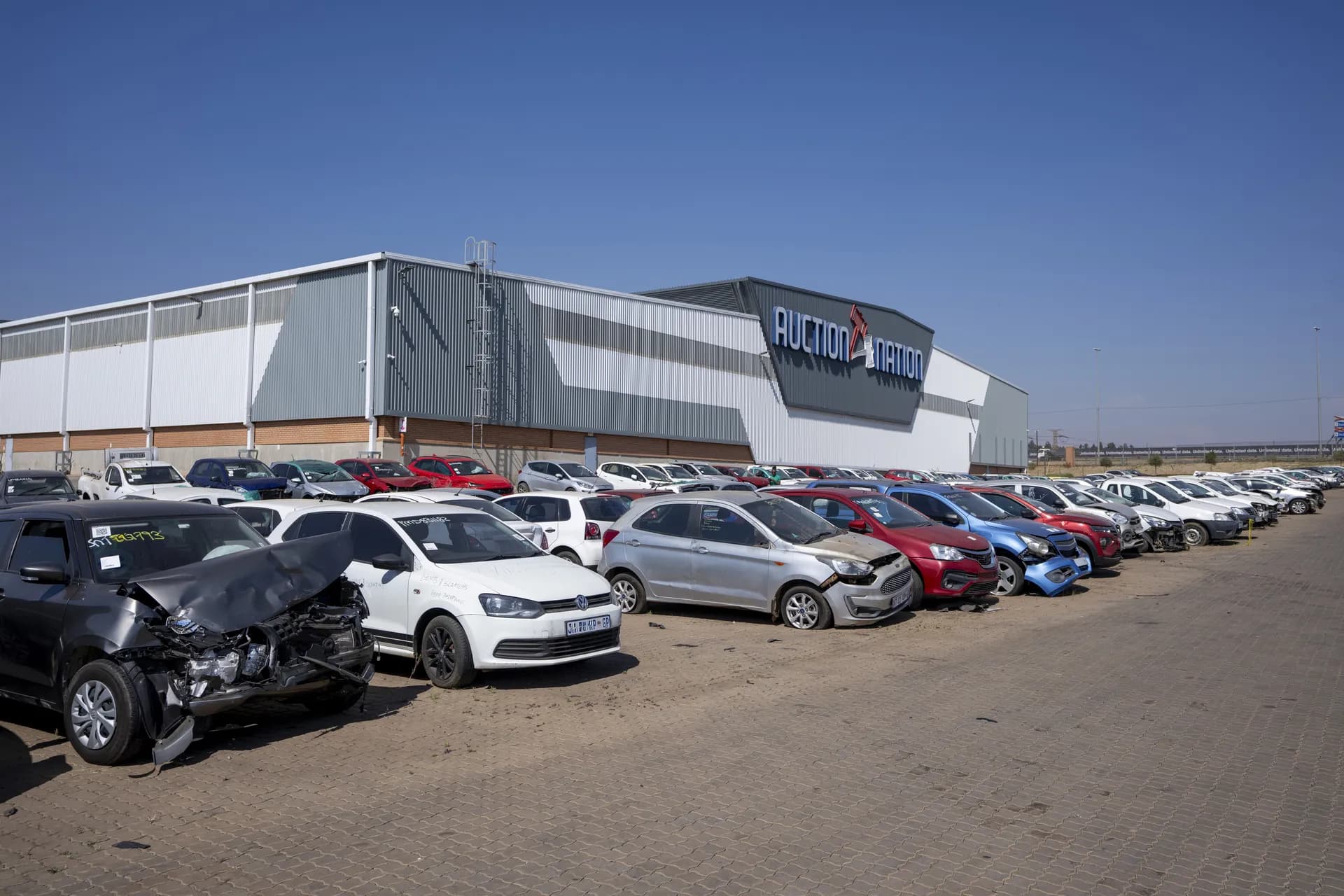
Focus on Safety Systems
Brakes, steering and suspension matter most for roadworthy approval.
Document Repairs
Invoices and photos reduce inspector uncertainty and speed approvals.
Know Your Options
If repairs don't pay off, selling to a specialist avoids admin and towing hassle.
At a glance
If you own a rebuilt salvage car in South Africa, understanding roadworthy requirements, common failure points and practical preparation steps can save time and cost. This guide covers when to repair vs sell, expected checks at inspection, realistic repair/value trade-offs (with R estimates), and links to helpful resources.
Overview: roadworthy for rebuilt salvage cars in South Africa
The term roadworthy generally means a vehicle meets safety and emissions standards required by licensing authorities and testing centres in South Africa. For rebuilt salvage cars - vehicles previously written off and repaired - inspectors focus on structural repairs, safety systems (brakes, steering, suspension), lights, tyres and evidence that repairs meet legal standards. Preparing a rebuilt salvage car for inspection reduces re-inspection costs and speeds up any transfer or re-registration.
When to repair vs when to sell your rebuilt salvage car
Deciding whether to invest in repairs or sell as a rebuilt salvage depends on remaining repair costs, anticipated regained value and your tolerance for ongoing maintenance or compliance paperwork. If estimated repairs exceed the amount you’d realistically recover on resale, selling may be a better option - especially for private owners or small fleets that need quick cash or want to avoid repeated failures.
Repair cost vs value retained (illustrative)
| Typical repair scope | Estimated South Africa cost (R) | Value retained after repair (approx.) |
|---|---|---|
| Minor cosmetic + lights/tyres | R3,000 - R8,000 | 40%-60% of pre-accident market value |
| Suspension/brakes + body alignment | R8,000 - R25,000 | 30%-50% of pre-accident market value |
| Structural/frame repairs | R20,000+ | Often less than 40% recovery; depends on documentation |
Estimates above are illustrative and dependent on vehicle model and region (Cape Town, Johannesburg, Durban labour rates vary). When repair costs edge toward the higher ranges, selling a rebuilt salvage vehicle - or using a specialist buyer - can be more practical than continuing to invest in repairs.
If you prefer to move on, services like Sell Non-Running Car or Sell Damaged Cars pages explain sale options for salvage and non-running vehicles across South Africa.
Common inspection fail points for rebuilt salvage cars
- Improper or unverified structural repairs - welds, chassis alignment and door/boot fitment.
- Brake efficiency, pedal travel and ABS fault codes.
- Steering play, suspension noise and wheel alignment.
- Lighting alignment, indicators and hazard systems.
- Tyre condition, legal tread depth and matching sizes.
- Visible fluid leaks and emissions exceeding local limits.
Damage types vs typical offer/inspection impact
| Damage type | Inspection focus | Typical effect on offers/roadworthy |
|---|---|---|
| Cosmetic/fender damage | Lights, alignment, rust prevention | Lower impact if safety systems OK |
| Mechanical (brakes/gearbox) | Functional testing; driveability | Significant impact; often fails until fixed |
| Structural/frame | Chassis alignment, weld checks, panel gaps | Major impact; may require certified repair evidence |
How the roadworthy preparation process works
A clear, step-by-step preparation plan reduces re-tests and helps meet local licensing expectations. Typical steps include documented repairs, component testing, a pre-inspection checklist, and an official roadworthy test at an authorised station. If you are selling instead, preparing a transparent repair history and clear photos helps buyers or specialist services assess value faster.
Practical pre-inspection checklist
- Collect invoices or photos proving structural and safety repairs.
- Repair or replace worn brakes, tyres (legal tread >= 1.6 mm), lights and indicators.
- Resolve dashboard warning lights; clear fault codes after repairs where appropriate.
- Ensure steering and suspension have no excessive play or noises.
- Fix fluid leaks and check emissions where required.
If you want an end-to-end solution for selling a rebuilt salvage car rather than pursuing roadworthy certification, see our explanation of the process on the About / How it works page. Our nationwide service can handle collection, paperwork and payment if selling is the chosen route.
Legal & paperwork notes specific to South Africa
Regulatory steps differ depending on whether the vehicle was formally written off by an insurer or simply repaired after an incident. Key considerations for South Africa:
- Deregistration or transfer: written-off vehicles and transfers often require clearance or declared status on eNaTIS records; ask your licensing office for exact requirements.
- Vehicles under finance: lenders must be notified and any settlement or clearance obtained before transfer; unresolved finance can block re-registration or sale.
- Certified repairs: some inspections may ask for repairer invoices or certification for structural work; keep documentation organised.
If paperwork is complex, specialist buyers often assist with deregistration and admin. For an example of a nationwide service that handles paperwork and collection, see the Sell Your Damaged Car homepage.
Tips to maximise your rebuilt salvage car's chance of passing roadworthy
- Prioritise safety systems: brakes, steering and suspension are inspected thoroughly - address these first.
- Use photos and invoices: documented repairs reduce inspector uncertainty and support buyers.
- Avoid cosmetic-only fixes if structural or mechanical faults remain; safety items matter more to inspectors and buyers.
- Test drive after repairs: a short drive can reveal lingering noise, pulling or gear issues before inspection.
- Consider a pre-inspection by a trusted mechanic to catch likely failure points and save on re-test fees.
What happens after your car passes or if you choose to sell
After passing roadworthy, you can proceed with transfer, registration or continued use. If you choose to sell a rebuilt salvage car instead of pursuing certification, many buyers provide competitive cash offers and handle towing and paperwork nationwide - useful for owners in Johannesburg, Cape Town, Durban and surrounding regions who prefer a faster, lower-admin route.
Example scenario
A Toyota Corolla with prior front-end structural repair may face R15,000-R30,000 in verified repairs to meet inspection standards depending on parts and labour. If those costs approach expected resale recovery, selling via a specialist buyer who manages deregistration and free towing can be a low-risk alternative.
Sources
- Department of Transport - vehicle registration and licensing guidance
- Road Traffic Management Corporation (RTMC) - national road safety and vehicle testing information
- Automobile Association South Africa - roadworthy testing and common fail points
Notes: monetary figures shown are estimates for planning purposes in South Africa (currency R). Repair costs and inspection outcomes vary by vehicle age, model and region. Always verify specific legal requirements with your local licensing office or an authorised testing station.
Seasoned automotive specialists dedicated to helping you turn your damaged or non-running vehicle into cash fast and hassle-free.
Disclaimer: This content is for educational purposes only. Product availability, pricing, and specifications are subject to change. Always verify current details on the retailer's website before making a purchase. We may earn affiliate commissions from qualifying purchases.
Why sell your damaged car to us?

A Division of Auction Nation, the leading expert in selling damaged cars

Best price for your damaged car

Get a cash offer within 24h

We buy damaged cars in any condition

We buy accident- damaged cars still under finance

Free, no obligation offer on your vehicle
How We Calculate Your Damaged Car’s Value
Wondering how we calculate your car’s value? At Sell Your Damaged Car, we look at: Your car’s real condition, its salvage value, and the current market demand. It’s all about honesty, transparency, and fairness — that’s how we determine your offer.
Frequently Asked Questions
Get answers to common questions about Tips And Advice
Why Choose Sell Your Damaged Car?
Free Towing
Need a tow? We got you
Hassle Free
Get a cash offer within 24h!
Nationwide
Somewhere remote? No problem!
