
Road Safety Tips for Salvage Yard Visits - Practical Advice for South African Vehicle Owners
Practical road safety tips for salvage yard visits in South Africa. Learn PPE, on-site hazards, legal checks, and safe collection steps for damaged or non-running vehicles.
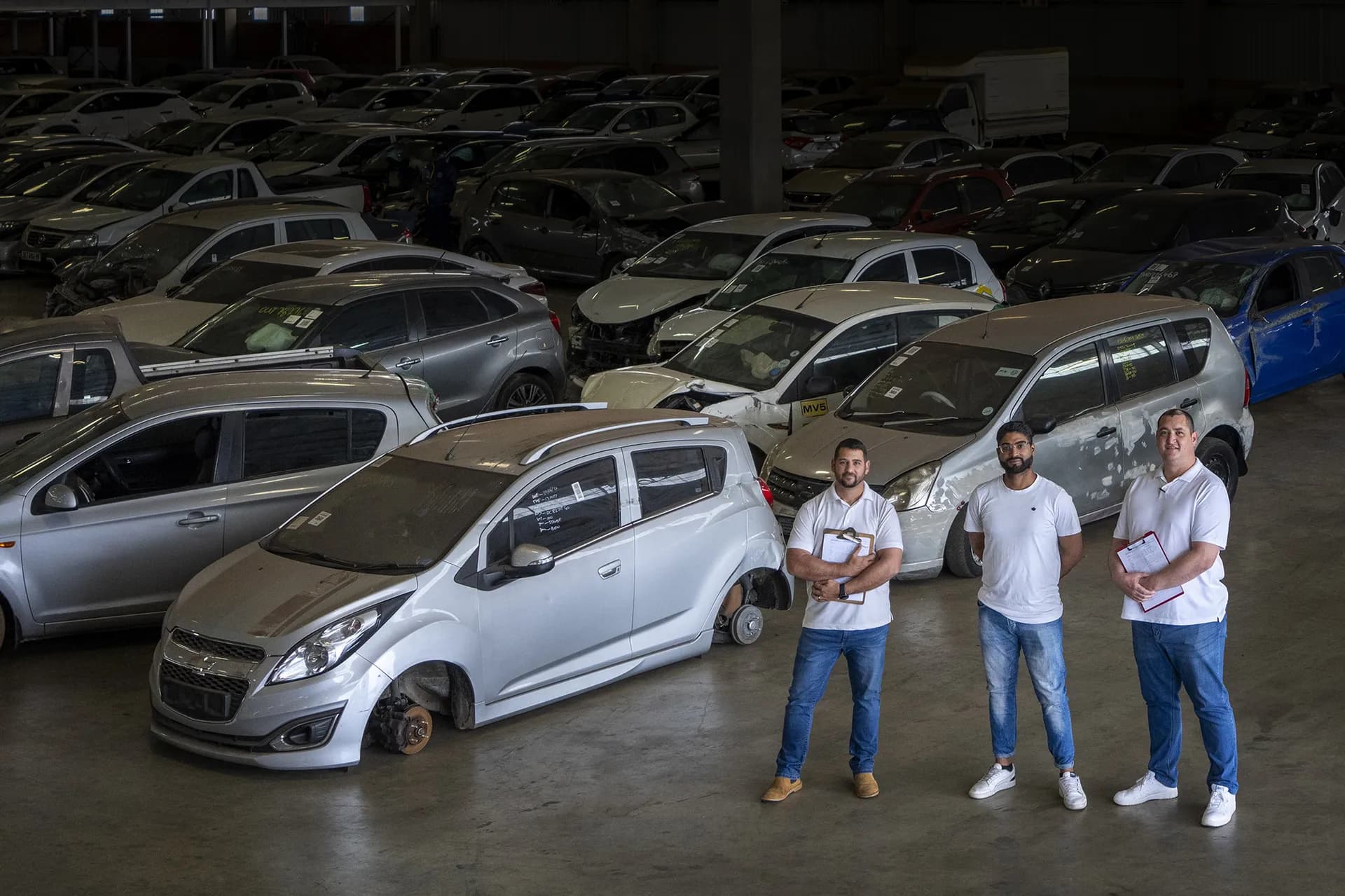
Plan & Wear PPE
Bring boots, gloves and eye protection; arrange supervised access before visiting.
Watch for Hazards
Avoid unstable stacks, sharp edges and leaking fluids; keep clear of moving machinery.
Document & Verify
Photograph condition, confirm ownership/finance and keep paperwork after collection.
Overview: Why safety matters during salvage yard visits
Visiting a salvage yard or wrecking yard involves hazards that are different from typical road work: sharp metal, exposed batteries, unstable vehicle stacks and moving forklifts. Whether you are a private owner checking parts, a small fleet manager inspecting a written-off vehicle, or arranging collection for a non-running car, understanding basic safety precautions reduces risk and helps you complete the visit efficiently.
This guide covers preparation, on-site behaviour, specific hazards to watch for, South Africa-specific considerations (including deregistration and finance status), and practical examples. It also links to our company information and selling pages for extra context on paperwork and vehicle collection.
Before you go: planning and PPE
- Wear appropriate personal protective equipment: sturdy boots, gloves, eye protection and long sleeves. Hard hats are recommended where vehicles are stacked high.
- Check yard rules and opening hours. Many yards restrict access without staff supervision-confirm access on arrival to avoid being in an unsafe area alone.
- Bring a charged mobile phone, torch and a basic first-aid kit. If you are inspecting a vehicle alone, tell someone where you will be and your expected return time.
Pro tip: If you are visiting to arrange collection or valuation, review the company process in advance. See our About / How it works page for a checklist on paperwork and collection logistics.
On-site safety: what to watch for
- Sharp edges and loose parts: approach vehicles slowly and avoid placing hands in unseen cavities. Use a torch to inspect interiors and engine bays.
- Unstable stacks: never stand beneath stacked vehicles or climb on unstable piles. If a yard stacks cars vertically, keep a safe distance and follow staff directions.
- Hazardous fluids and batteries: leaking oil, coolant or battery acid require caution. Avoid skin contact and notify yard staff so they can handle containment.
- Moving machinery and vehicles: yards often use forklifts and tow trucks-make eye contact with operators and remain visible. Wear bright clothing if possible.
- VIN and documentation checks: ensure you are allowed to inspect VIN plates and paperwork onsite; always verify ownership before agreeing to remove parts or accept a vehicle.
When to sell vs repair (safety considerations)
Deciding whether to attempt repairs or sell a damaged vehicle is a common dilemma. From a safety standpoint, some situations make on-site repair or part removal hazardous or impractical: major structural damage, exposed fuel lines, or badly corroded components. If the repair requires work in a salvage yard environment with limited lifting or containment, selling may be a safer option.
Factors to weigh include estimated repair cost, availability of safe facilities, and whether specialist tools are required. For guidance on selling non-running or heavily damaged cars, see our Sell Non-Running Car and Sell Damaged Cars pages for process and paperwork information.
| Repair cost (estimate) | Typical value retained | Safety complexity |
|---|---|---|
| R3,000-R8,000 | Moderate (parts-only) | Low-moderate (simple parts replacement) |
| R10,000-R40,000 | Low-moderate | Moderate (structural, engine work) |
| R50,000+ | Low (high risk of hidden damage) | High (major structural/flood/fire damage) |
How the process works (safety-focused walkthrough)
If you plan to visit a salvage yard to inspect your vehicle, remove parts or arrange collection, follow a structured approach: pre-check, supervised inspection, documented agreement and secure removal. This reduces misunderstandings and ensures safety at each step.
Step 1 - Contact & arrange supervised access
Most reputable yards require staff supervision for inspections and part removal. Request a staff member to accompany you; this keeps you clear of hazardous zones and provides access to equipment such as engine hoists or lifts when needed.
Step 2 - Identify hazards during inspection
Ask staff to point out fuel leaks, battery disconnections, or airbag deployments. Photograph problem areas for later reference and to support valuations or insurance claims.
Step 3 - Agree removal method and documentation
If parts will be removed onsite, ensure documentation states who removes them and that the yard accepts liability for staff-operated equipment. If the vehicle is being collected, verify collection procedures and record vehicle condition before transport. For information on our collection and paperwork service, consult the About / How it works page.
Legal & paperwork in South Africa: ownership, deregistration and finance
Before you remove parts or accept collection, confirm legal ownership and any finance liens. In South Africa, vehicles under finance usually require consent from the finance house before transfer or salvage disposal. Always ask to see proof of ownership and a clear written agreement that records the transaction and responsibilities.
If a vehicle is being collected for sale, deregistration and transfer paperwork should be handled to avoid future liabilities. Many vehicle buyers (including professional services) manage deregistration and provide confirmation once complete. Our site explains how paperwork and collection are coordinated; see the homepage for service scope and national coverage: Sell Your Damaged Car homepage.
Tips to maximise your offer and minimise onsite risk
- Document condition with clear photos and notes before removal or collection-this supports valuation and reduces disputes.
- Avoid attempting complex removals yourself. Use yard staff or qualified mechanics to prevent injury and damage.
- Secure personal items from a vehicle before inspection and remove valuables in a safe place; yards are busy and not secure storage for personal effects.
- If the vehicle is under finance, get written consent from the lender. Removing parts without disclosure can create legal problems.
| Damage type | Typical offer impact |
|---|---|
| Minor cosmetic/bumper damage | Low to moderate reduction |
| Structural/frame damage | Significant reduction |
| Flood or fire damage | Major reduction; specialized salvage market |
What happens after collection - safety & compliance steps
After a vehicle is collected from a salvage yard or your property, expect a documented handover that records date, condition and odometer where possible. A reliable buyer will handle deregistration or transfer paperwork and provide written confirmation once complete. Keep all documentation and photos for at least 12 months in case questions arise.
If you have safety concerns about how removal was carried out (for example, spills or property damage), report them immediately to the collector and request an incident report. For vehicles collected by a third party, insist on proof that hazardous fluids were contained and disposed of according to regulatory requirements.
South Africa scenarios and practical examples
Example 1: Cape Town private owner inspects a flood-damaged car-do not attempt to start the engine; photograph ECU and interior wiring and seek a supervised yard inspection. Example 2: Johannesburg small fleet manager sending a non-running unit for collection-confirm finance status with the lender, and ensure the collector documents fuel and battery removal to prevent leaks during transport. Example costs and valuations in this guide are illustrative and shown in R as estimates; local market demand and condition determine final outcomes.
Sources
- Occupational Health and Safety Act (South Africa) - gov.za
- Department of Transport - Republic of South Africa
- The AA (Automobile Association) South Africa - roadside and vehicle safety guidance
- Sell Your Damaged Car - service scope and nationwide collection
Following these road safety tips for salvage yard visits helps protect you, your vehicle and others on site. When in doubt, request staff assistance and document every step. For detailed guidance on handling paperwork, deregistration and safe vehicle collection, see our resources and company pages linked above.
Seasoned automotive specialists dedicated to helping you turn your damaged or non-running vehicle into cash fast and hassle-free.
Disclaimer: This content is for educational purposes only. Product availability, pricing, and specifications are subject to change. Always verify current details on the retailer's website before making a purchase. We may earn affiliate commissions from qualifying purchases.
Why sell your damaged car to us?

A Division of Auction Nation, the leading expert in selling damaged cars

Best price for your damaged car

Get a cash offer within 24h

We buy damaged cars in any condition

We buy accident- damaged cars still under finance

Free, no obligation offer on your vehicle
How We Calculate Your Damaged Car’s Value
Wondering how we calculate your car’s value? At Sell Your Damaged Car, we look at: Your car’s real condition, its salvage value, and the current market demand. It’s all about honesty, transparency, and fairness — that’s how we determine your offer.
Frequently Asked Questions
Get answers to common questions about Tips And Advice
Why Choose Sell Your Damaged Car?
Free Towing
Need a tow? We got you
Hassle Free
Get a cash offer within 24h!
Nationwide
Somewhere remote? No problem!
