
Quick Inspection Tips for Scrap Vehicles - What to Check Before You Sell
Learn quick inspection steps for scrap vehicles in South Africa: documentation, photo guide, repair vs sell comparisons, legal notes and tips to improve offers.
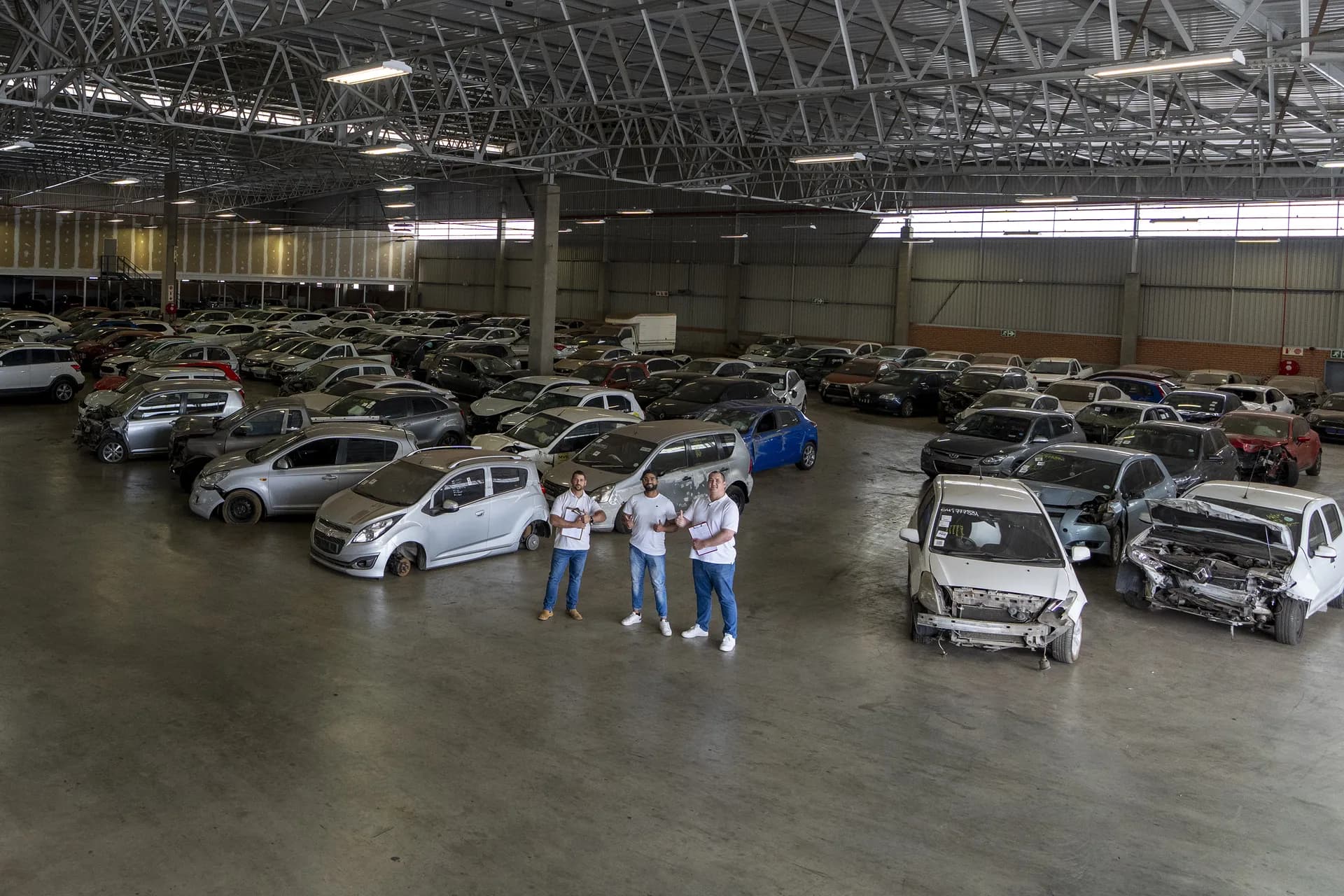
10-Minute Inspection Checklist
Key photos and checks to speed up valuation and reduce surprises.
Document to Maximise Offers
VIN, keys, service history and clear damage photos are high-value items.
Understand Repair vs Sell
Use repair cost estimates and the inspection to decide whether to sell.
Overview: Why a quick inspection matters
A short, systematic inspection can make the difference between a vague guess and a clear record that supports a competitive cash offer for a scrap vehicle. These quick-inspection-tips-for-scrap-vehicles are designed for South African owners and fleet managers who need to document condition, identify safety risks, and highlight features or faults that affect valuation by buyers or salvage markets.
Safety first
Only inspect a vehicle in a safe, stable location. If the car is unstable, on jack stands or has fluid leaks, keep a safe distance and photograph rather than touch. Use gloves and eye protection when checking inside engine bays or around sharp metal.
Essential inspection checklist (10 minutes)
- Record VIN / chassis number and licence plate - clear photos from multiple angles.
- Note keys and immobiliser presence - is the car operable or a non-runner?
- Photograph overall exterior from front, rear and both sides, plus close-ups of all damage.
- Inspect the engine bay for visible damage, fluid levels, and signs of fire or corrosion.
- Check interior: dashboard warning lights, airbags (deployed or not), odometer reading and upholstery condition.
- Look under the vehicle for structural/frame damage, hanging components or large leaks.
- Note tyre condition (inflated, shredded, or missing) and wheel damage.
- Check for flood/fire indicators: water lines in cabin, musty smells, rust in odd places, smoke residue.
How to document for a quick valuation
Good documentation speeds up offers. Use your phone to capture a short video walkaround and timed photos with a written note (date/time) of each issue. Buyers value clear, dated evidence of condition more than a textual list alone. Include mileage and service history if available.
If you want to compare options, read our explanation of services and process on the About / How it works page to understand how documentation feeds into an offer.
Quick-photo guide
- Front, rear, both flanks, and a 45° long-shot from each corner.
- Close-ups of major damage areas, VIN and licence discs.
- Engine bay and battery area; interior dash and seats; boot and spare wheel area.
- Any paperwork photo: logbook, service stickers or finance statements (redact personal info if sharing).
Quick link: Selling non-running vehicles
If the vehicle won’t start or move, the Sell Non-Running Car guidance explains what buyers look for and how non-runners are assessed.
Repair cost vs value retained
| Repair category | Typical repair cost (R, estimate) | Typical value retained after repair |
|---|---|---|
| Minor panel & paint work | R3,000 - R12,000 | 10%-40% of pre-accident market value (varies by model) |
| Major structural/frame repair | R15,000 - R60,000+ | Often low; may be classed as written-off by insurers |
| Engine or transmission rebuild | R10,000 - R80,000+ | Variable; depends on vehicle age and market demand |
Notes: Figures are approximate South African ranges and depend on make/model and parts availability. For many older or heavily damaged vehicles, repair costs exceed likely resale value - in those cases selling as scrap is often the practical option.
When to sell vs repair
Deciding whether to repair or sell a scrap vehicle depends on repair cost, expected retained value and time. Use your inspection record to compare realistic repair estimates with the likely market value after repair. If repair costs approach or exceed the vehicle’s market value, selling to a specialist buyer is usually simpler and lower risk.
Damage types vs typical offer impact
| Damage type | Typical impact on offers |
|---|---|
| Minor exterior damage | Small reduction; higher offers if mechanicals intact |
| Structural/frame damage | Significant reduction; often treated as salvage/written-off |
| Flood or fire damage | Major reduction; corrosion and electronics often irreparably affected |
| Non-running (mechanical failure) | Offers vary widely depending on engine/transmission status |
How the selling process ties to your inspection
A clear inspection packet shortens offer turnaround. When you submit VIN, photos and a quick condition summary, buyers can give more accurate, transparent offers. For a walk-through of how offers and collection generally work, see our Sell Damaged Cars page.
Legal and paperwork essentials in South Africa
Documenting ownership and clearing administrative items protects you and speeds payment. During inspection note the logbook (if available), ID name on the logbook, and any outstanding finance. If the vehicle is under finance, inform the buyer - registered finance must be settled or arrangements made with the finance house before ownership can be transferred or deregistered.
Specialist buyers commonly assist with deregistration and paperwork. For a national explanation of administrative processes and vehicle registration, consult the National Road Traffic Management resources linked in Sources.
Practical tips to maximise your offer
- Be honest and thorough in your description - accurate photos reduce scope for price adjustment.
- Preserve keys, service books and receipts - even simple history can increase offers.
- Remove personal items and clearly note missing parts to avoid collection delays.
- If safe and feasible, move the vehicle to a flat, accessible area to reduce towing surcharge.
- If the car is on finance, have the account details ready to speed settlement discussions.
What happens after collection
After a buyer collects the vehicle, standard steps include confirming ownership transfer, arranging deregistration where applicable, and releasing payment. Specialist buyers who operate nationwide typically handle towing and paperwork. For a concise overview of the end-to-end process, our homepage outlines a typical workflow from online submission to collection and payment.
Example scenarios (South Africa)
Scenario 1: Johannesburg sedan with front-end damage but intact engine - a clear inspection with engine photos and service history can tilt offers upward because usable mechanicals are verified. Scenario 2: Coastal flood-damaged SUV in Durban - document water lines, interior corrosion and electrical faults; flood-damaged vehicles often attract lower salvage offers due to corrosion risk. Scenario 3: Non-running bakkie in Cape Town with clear VIN and keys - quick video showing immobiliser status and odometer helps buyers estimate salvageable parts value. All amounts and offers will vary by model, year and salvage demand.
Sources
- South African Department of Transport - Registration and road traffic information
- Automobile Association (AA) South Africa - Vehicle checks and general maintenance guidance
- Road Traffic Management Corporation (RTMC) - National traffic and registration systems
These quick-inspection-tips-for-scrap-vehicles are practical starting points. When in doubt, photograph, document and seek a specialist valuation - clear evidence improves transparency, reduces delays and supports fair, competitive cash offers in the South African salvage market.
Seasoned automotive specialists dedicated to helping you turn your damaged or non-running vehicle into cash fast and hassle-free.
Disclaimer: This content is for educational purposes only. Product availability, pricing, and specifications are subject to change. Always verify current details on the retailer's website before making a purchase. We may earn affiliate commissions from qualifying purchases.
Why sell your damaged car to us?

A Division of Auction Nation, the leading expert in selling damaged cars

Best price for your damaged car

Get a cash offer within 24h

We buy damaged cars in any condition

We buy accident- damaged cars still under finance

Free, no obligation offer on your vehicle
How We Calculate Your Damaged Car’s Value
Wondering how we calculate your car’s value? At Sell Your Damaged Car, we look at: Your car’s real condition, its salvage value, and the current market demand. It’s all about honesty, transparency, and fairness — that’s how we determine your offer.
Frequently Asked Questions
Get answers to common questions about Tips And Advice
Why Choose Sell Your Damaged Car?
Free Towing
Need a tow? We got you
Hassle Free
Get a cash offer within 24h!
Nationwide
Somewhere remote? No problem!
