
Questions to Ask Before Selling a Storm-Damaged Car in South Africa
Essential questions to ask buyers and repairers before selling a storm-damaged car in South Africa - logistics, paperwork, valuation and tips to protect value.
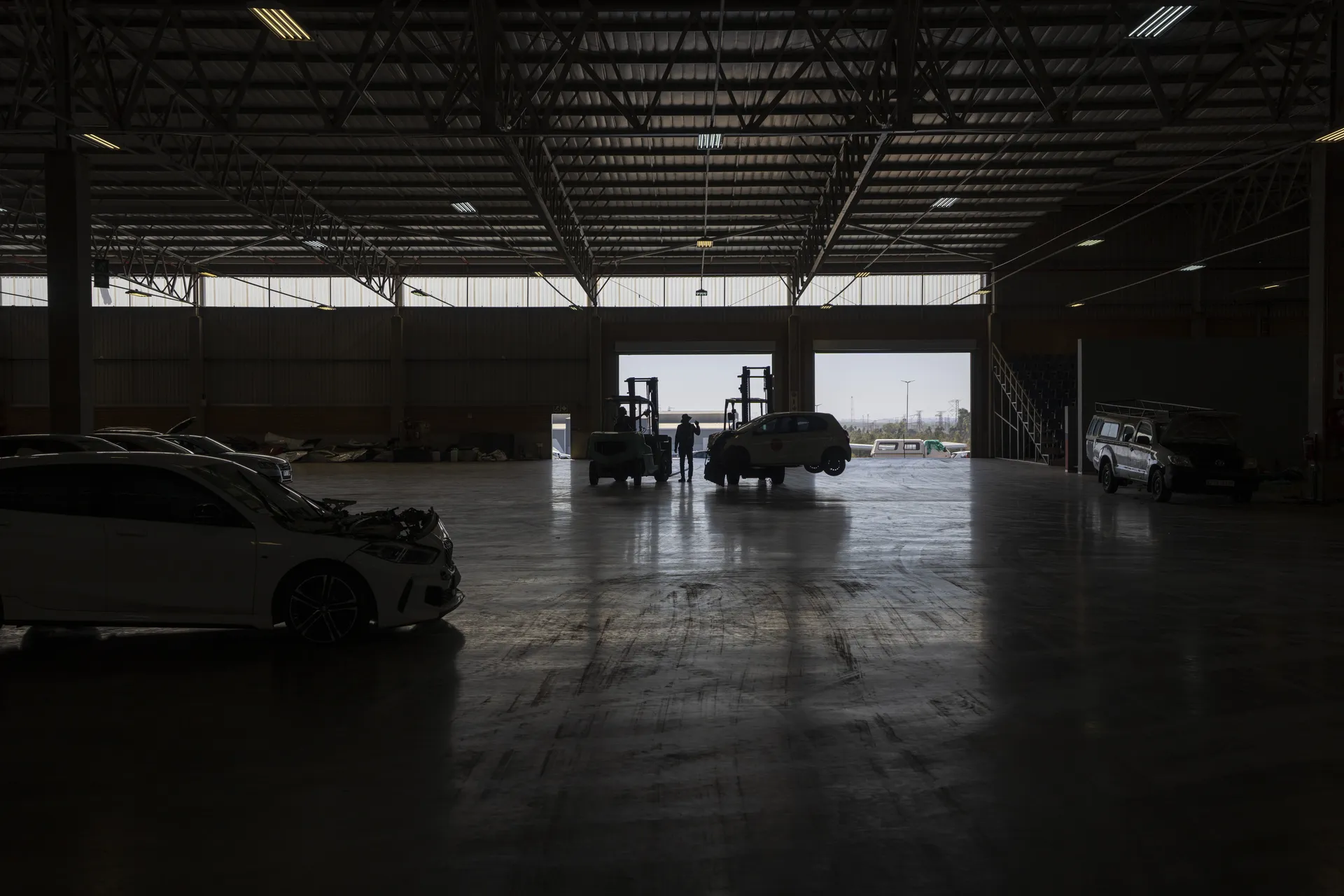
Key Buyer Questions
Ask about towing, paperwork, payment timing and offer conditions.
Document Damage Carefully
Photos, service history and a damage timeline speed up valuations.
Check Legal & Finance Steps
Confirm deregistration, transfer and how vehicles under finance are settled.
Why asking the right questions matters
If your vehicle has storm damage-flooding, hail, fallen trees or windblown debris-being prepared with the right questions helps you judge repair vs sale options, protects you from delays, and ensures paperwork and settlement go smoothly. This guide lists practical questions tailored to South African conditions and explains the legal and logistical steps involved.
Overview: What to check first
Before you speak to buyers or repairers, assemble basic facts: make, model, year, mileage, where the storm damage occurred, photos showing affected areas, and whether the vehicle still runs. These details shape offers and repair estimates. If you want more information on selling non-running vehicles, see this page: Sell Non-Running Car.
Initial buyer questions to prepare
- How do you value storm-related repairs versus salvage potential?
- Do you cover free towing from my suburb or metro (e.g., Johannesburg, Cape Town, Durban)?
- Who handles paperwork like deregistration and transfer of ownership?
- What information do you need from me to get an accurate offer?
- How soon would collection and payment occur after I accept an offer?
When to sell vs repair a storm-damaged car
Deciding whether to repair or sell depends on repair cost, the vehicle's market value, safety and potential hidden damage (electrical or corrosion after water ingress). Use realistic repair estimates in R and compare them to the car's market value pre-damage. If repair costs approach or exceed a substantial portion of pre-damage value, selling may be the better choice.
Repair cost vs value retained (illustrative)
| Estimated repair cost (R) | Typical value retained after repair | When to consider selling |
|---|---|---|
| R5,000 - R15,000 | 70-90% of pre-damage value (estimate) | If still roadworthy and safety assured, repair may be viable |
| R15,000 - R40,000 | 40-70% of pre-damage value (estimate) | Consider selling if repair cost is a large fraction of vehicle value |
| R40,000+ | Often below 50% of pre-damage value | Selling for salvage or to a specialist is commonly more practical |
Figures are illustrative and reflect typical South Africa ranges; actual costs vary by vehicle, location and extent of hidden damage. For an overview of our buying process and how we handle storm-damaged vehicles, read our About / How it works page.
Questions to ask a buyer about logistics and trust
- Is towing included and free nationwide, including outlying areas around Cape Town, Durban or Johannesburg?
- Who signs the transfer documents and does the buyer assist with deregistration?
- How is payment made and when is it released-before or after collection?
- Are offers conditional on inspection or final checks at collection?
- Do you accept vehicles under finance and what do you require to settle outstanding loans?
How the process usually works (what to ask step-by-step)
When you contact a buyer about your storm-damaged car, confirm these process details in sequence so you know what to expect:
- Documentation required for an offer (ID, vehicle registration, photos): ask for a checklist.
- Offer timeline: how quickly will a valuation or firm cash offer be returned?
- Collection window: confirm date, time and whether free towing covers your exact location.
- Payment timing: whether payment is transferred on acceptance, on collection, or after paperwork completion.
Legal & paperwork in South Africa
Key legal points to verify with any buyer include who completes transfer forms, whether deregistration is handled, and how vehicles under finance are settled. If your car is still financed, you should contact your creditor to confirm settlement steps; some buyers can pay the shortfall directly to your lender as part of the sale. Always ask for written confirmation of who will lodge transfer documents with the registering authority.
Damage types vs typical offer impact
| Damage type | Typical impact on offers |
|---|---|
| Exterior hail or panel dents | Moderate reduction; cosmetic but repairable |
| Flood / water ingress | Significant reduction due to electrical and corrosion risk |
| Structural/frame damage from falling objects | Major impact; may be classed as write-off by insurers |
| Glass, trim or minor bodywork | Smaller impact; often higher retained value after repair |
Practical tip
Document all damage with clear photos (interiors, engine bay, underbody if possible) and time-stamped location info. Buyers and insurers rely on clear evidence-this accelerates offers and reduces disputes.
Tips to maximise your offer
- Provide a concise damage timeline (where and when storm damage occurred).
- Include service history and receipts for recent repairs or parts.
- Keep the vehicle secure and remove valuables-ensure keys are available.
- Be transparent about previous accidents or repairs; undisclosed issues may change an offer.
- Get multiple valuations where practical and compare inclusions like towing and paperwork handling.
If you decide to sell, consider using a specialist that buys damaged vehicles across South Africa and handles collection, paperwork and payment. For more on selling vehicles with damage or not running, see Sell Damaged Cars and the homepage for service scope.
What happens after collection
Confirm in writing how and when paperwork will be lodged and when payment will be made. Typical sequences are: final inspection at collection, buyer handles deregistration or transfer forms, and payment issued to your bank account within an agreed timeframe. If the vehicle is under finance, ensure funds to settle the lender are confirmed before signing transfer documents.
Final checklist of questions
- Is towing free from my exact pickup location?
- Who completes and lodges transfer/deregistration?
- How and when will payment be made?
- Are there conditions that could change the offer after inspection?
- Do you accept vehicles under finance and how is the lender settled?
Sources
- South African Weather Service - official storm and severe weather guidance
- Department of Transport South Africa - vehicle registration and transfer information
- Sell Your Damaged Car - how we handle towing, paperwork and payment
Note: cost ranges and impacts in this article are estimates for South Africa and intended for planning. Always request written offers and clarifications from prospective buyers before committing to a sale.
Seasoned automotive specialists dedicated to helping you turn your damaged or non-running vehicle into cash fast and hassle-free.
Disclaimer: This content is for educational purposes only. Product availability, pricing, and specifications are subject to change. Always verify current details on the retailer's website before making a purchase. We may earn affiliate commissions from qualifying purchases.
Why sell your damaged car to us?

A Division of Auction Nation, the leading expert in selling damaged cars

Best price for your damaged car

Get a cash offer within 24h

We buy damaged cars in any condition

We buy accident- damaged cars still under finance

Free, no obligation offer on your vehicle
How We Calculate Your Damaged Car’s Value
Wondering how we calculate your car’s value? At Sell Your Damaged Car, we look at: Your car’s real condition, its salvage value, and the current market demand. It’s all about honesty, transparency, and fairness — that’s how we determine your offer.
Frequently Asked Questions
Get answers to common questions about Tips And Advice
Why Choose Sell Your Damaged Car?
Free Towing
Need a tow? We got you
Hassle Free
Get a cash offer within 24h!
Nationwide
Somewhere remote? No problem!
