
Questions to Ask a Salvage Car Buyer - What Every Seller in South Africa Should Know
Learn the key questions to vet salvage car buyers in South Africa: valuation, towing, paperwork, payment and legal safeguards to protect your sale.
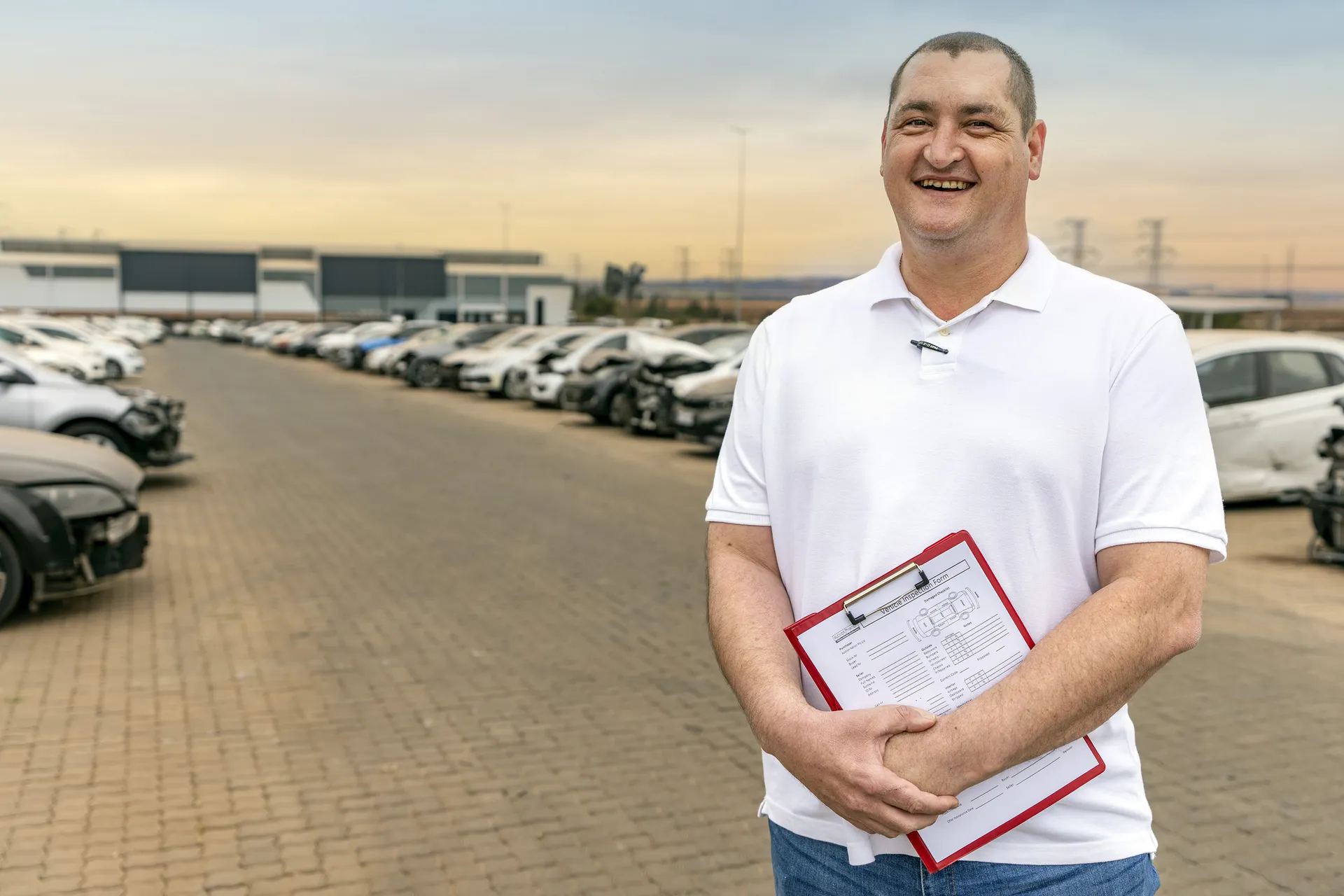
Essential Questions
Ask about valuation, towing, paperwork and payment timing.
Documentation Safeguards
Require a signed sale agreement, transfer proof and receipt at collection.
Maximise Your Offer
Use clear photos, full disclosure and multiple written offers for comparison.
Overview: Why asking the right questions matters
If you own a salvage, written-off or heavily damaged vehicle in South Africa, asking targeted questions to a salvage car buyer helps you compare offers, avoid costly mistakes and protect your legal position. Use this checklist to assess transparency, towing and paperwork, valuation method, buyer credentials and payment terms before you agree to sell. The questions below are written for private owners and small fleet managers in Johannesburg, Cape Town, Durban and surrounding areas.
Core questions to start with
- Do you buy vehicles in any condition (accident, flood, fire, non-running)?
- How do you value my vehicle - what factors influence your offer?
- Do you provide free towing and nationwide collection?
- What paperwork do you handle (deregistration, transfer, proof of purchase)?
- When and how is payment released after collection?
Trust & verification - essential checks
Ask for company credentials, a physical business address, examples of past transactions or references, and how they protect against title disputes. Confirm their process for vehicles under finance and whether they will clear liens or if you must obtain clearance from your financer first.
When to sell vs repair: quick decision guide
Decide to sell to a salvage buyer when estimated repair costs approach or exceed the car’s remaining market value, or when repairs are complex (structural/frame damage or fire/flood). If minor panel or cosmetic repairs restore substantial resale value, repair may be worth considering. Use conservative repair estimates in R and factor in time, towing, and inspection costs.
| Repair cost vs value retained (example ranges) | Typical decision |
|---|---|
| Repair R5,000-R15,000 (minor panels, lights, brakes) | Often worth repairing if vehicle value is >R30,000 (estimate). |
| Repair R20,000-R60,000 (engine/transmission work) | Consider salvage sale if vehicle market value minus repair cost is low. |
| Repair >R60,000 (major structural, flood or fire damage) | Usually sell to salvage buyer; repairs often uneconomic. |
Note: figures are illustrative estimates for South Africa and will vary by make, model, age and local labour/parts costs. Always request a written repair quote from a reputable workshop if unsure.
How the process works with a reputable salvage buyer
A transparent buyer should describe each step clearly: online valuation (based on photos and details), a written offer, acceptance, free towing and collection schedule, completion of transfer/deregistration paperwork, and payment. Check whether the buyer issues a clear proof of sale and how long payment confirmation takes after collection.
For practical examples of the online valuation and collection flow, see our overview on the How it works page and the main homepage for nationwide service details.
Legal & paperwork in South Africa - what to confirm
Before you sign, ask exactly which documents the buyer will prepare and lodge. Key items include a written sale agreement, proof of identity for both parties, vehicle papers, completed transfer forms and evidence of deregistration if applicable. If your vehicle is still under finance, ask the buyer how they handle settlement with the financer and whether they require a clearance letter.
Specific paperwork questions to ask
- Will you complete the transfer/deregistration at your cost or provide instructions I can follow?
- Do you provide a written sale agreement and a receipt on collection?
- How do you handle situations where ownership documents are missing or the car is listed with a financer?
- Who pays municipal vehicle licence fees or outstanding fines before transfer?
Damage types vs typical offer impact
| Damage type | Typical impact on offer |
|---|---|
| Cosmetic/bumper damage | Lower impact; higher salvage value retained. |
| Mechanical (engine/transmission) | Significant impact; offers reflect repair or parts value. |
| Structural/frame/flood/fire | Major impact; often classified as written-off/salvage. |
Tips to maximise your offer
- Provide clear, well-lit photos from multiple angles and close-ups of damage and VIN/chassis.
- Disclose known issues honestly - transparency avoids later disputes.
- Gather service history and any spares/accessories that increase value.
- Compare at least two written offers and ask buyers to explain their valuation.
If your vehicle doesn’t start, use the Sell Non-Running Car guidance to prepare accurate photos and descriptions. For accident-damaged vehicles, our Sell Damaged Cars page explains how damage type affects offers and collection.
What happens after collection
After you accept an offer and the vehicle is collected, expect a written receipt and confirmation of transfer steps. Reputable buyers will handle towing at no cost to you, lodge transfer/deregistration paperwork, and release payment promptly. Ask how long it will take for payment to clear into your account and request a transaction reference for your records.
Practical examples and safeguards
- Request that the buyer issues a signed sale agreement at collection and sends a copy by email.
- If the vehicle is under finance, obtain written confirmation from the buyer that they will settle the bond or require your finance clearance steps.
- Keep copies of all communications, photos and the buyer’s ID or company registration details.
Asking the right questions reduces delays and helps you get a fair, transparent result. For an example of how a full-service buyer handles transfers, paperwork and collection across South Africa, review our process on the About / How it works page.
Sources
Seasoned automotive specialists dedicated to helping you turn your damaged or non-running vehicle into cash fast and hassle-free.
Disclaimer: This content is for educational purposes only. Product availability, pricing, and specifications are subject to change. Always verify current details on the retailer's website before making a purchase. We may earn affiliate commissions from qualifying purchases.
Why sell your damaged car to us?

A Division of Auction Nation, the leading expert in selling damaged cars

Best price for your damaged car

Get a cash offer within 24h

We buy damaged cars in any condition

We buy accident- damaged cars still under finance

Free, no obligation offer on your vehicle
How We Calculate Your Damaged Car’s Value
Wondering how we calculate your car’s value? At Sell Your Damaged Car, we look at: Your car’s real condition, its salvage value, and the current market demand. It’s all about honesty, transparency, and fairness — that’s how we determine your offer.
Frequently Asked Questions
Get answers to common questions about Tips And Advice
Why Choose Sell Your Damaged Car?
Free Towing
Need a tow? We got you
Hassle Free
Get a cash offer within 24h!
Nationwide
Somewhere remote? No problem!
