
Pros and Cons of Selling a Storm-Damaged Vehicle in South Africa
Understand whether to repair or sell a storm-damaged vehicle in South Africa. Learn legal steps, valuation drivers, tips to maximise offers and real SA scenarios.
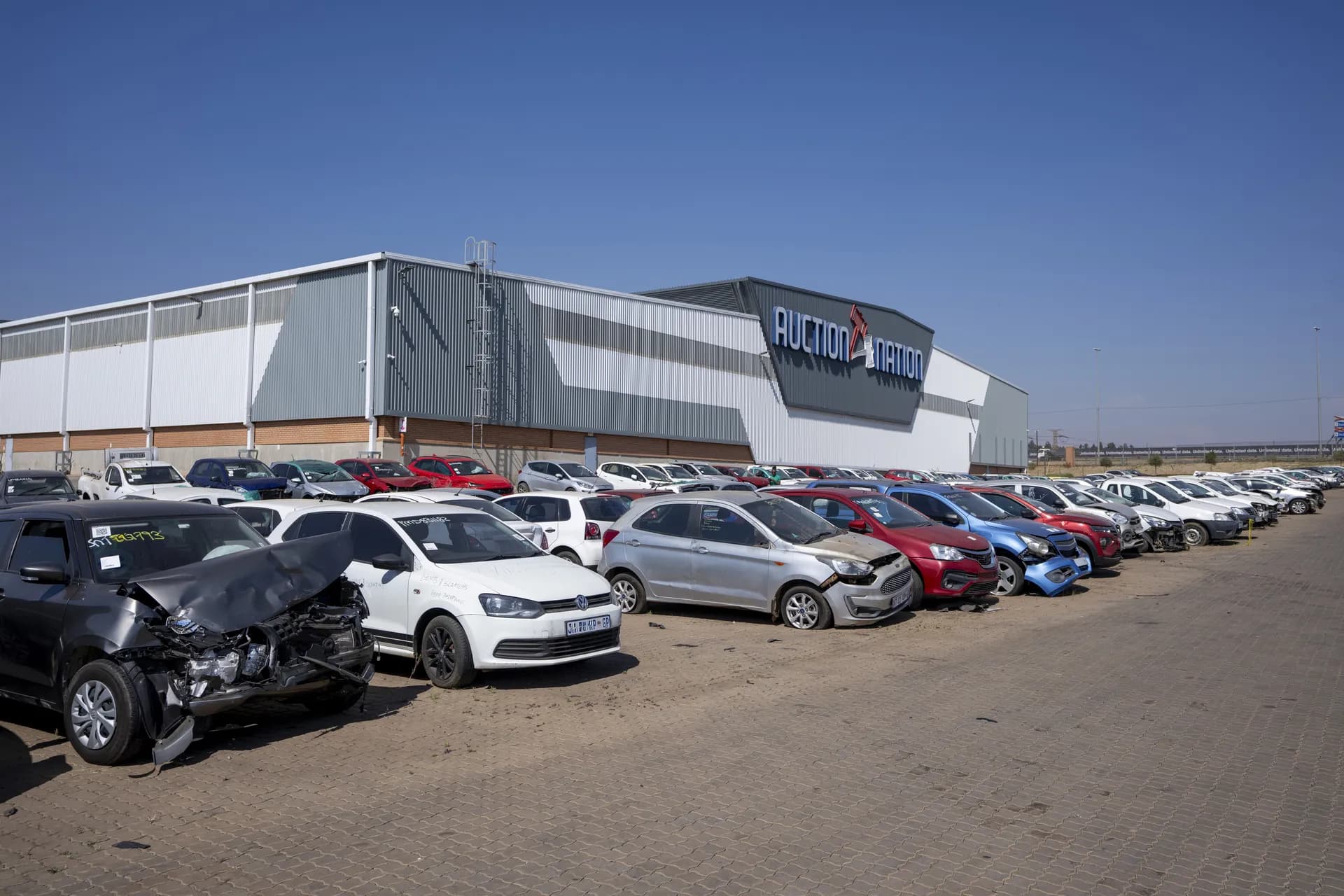
Decide Repair or Sell
Compare repair costs to pre-storm value and insurance outcomes.
Document Damage Carefully
Clear photos and records help secure better, transparent offers.
Know SA Paperwork
Confirm deregistration and finance steps before collection.
Overview: Storm damage and your choices
Storm-damaged vehicles present owners with a clear decision: invest time and money in repairs or convert the vehicle to cash. This guide outlines the pros and cons of selling a storm-damaged vehicle in South Africa, highlights key legal and paperwork issues, and explains how market factors such as salvage demand affect offers. Use these points to assess whether selling is the right route for a private owner or a small-business fleet manager in Johannesburg, Cape Town, Durban or surrounding regions.
When to consider selling vs repairing
Deciding whether to sell a storm-damaged vehicle depends on repair cost, the vehicle's market value before damage, how long you need the vehicle, and insurance outcomes. Selling often makes sense when repair costs approach or exceed a substantial portion of the vehicle's pre-storm value, or when a vehicle is non-running, has interior water damage or extensive panel/structural damage that affects future reliability.
Key pros of selling a storm-damaged vehicle
- Quick conversion to cash instead of lengthy repairs and follow-ups.
- Avoid ongoing storage, towing or escalation of hidden water-related faults.
- Sell to specialists who handle towing and paperwork nationwide, reducing logistics stress.
Key cons of selling a storm-damaged vehicle
- Offers reflect damage and salvage market conditions; you may receive less than full retail value.
- If insurance will cover repairs, selling may not be optimal without insurer approval.
- Some buyers prefer fully repaired vehicles, so the private-sale route may draw fewer offers.
Repair cost vs value retained (illustrative)
| Repair Estimate (R) | Typical Value Retained After Repair | Selling Consideration |
|---|---|---|
| R2,000 - R15,000 | Most value retained if repairs are cosmetic and documented | Repair first if insured or if you need the car soon |
| R15,000 - R50,000 | Partial value recovered; buyer scrutiny increases | Consider selling to a specialist or obtaining multiple repair quotes |
| R50,000+ | Often exceeds market-related retained value; depreciation risk | Selling is often more cost-effective than repairing |
Damage types and typical offer impact
| Damage Type | Typical Effect on Offers |
|---|---|
| Minor exterior dents & paint | Small impact; cosmetic repairs affordable |
| Windshield and glass damage | Moderate impact; easy to quantify and often repaired cheaply |
| Interior water damage (electrics, upholstery) | High impact; increases inspection costs and reduces offers |
| Structural or frame damage | Severe impact; lowers offers significantly or leads to salvage classification |
Practical note: If you plan to sell, document damage with clear photos and descriptions - buyers and valuers rely heavily on accurate evidence.
For a detailed explanation of our valuation process and what we buy, see our Sell Damaged Cars page and background on how the service works on our About / How it works page.
How storm-damage offers are typically calculated
Offers reflect pre-storm market value, estimated repair costs, salvage demand, and local logistics. In South Africa, seasonal demand and parts availability (model-specific) also influence offers - older models or those with scarce parts may attract lower bids. Specialist buyers factor in free towing and administration costs when preparing a transparent offer.
How the process works when you choose to sell
A typical specialist buyer process in South Africa follows a simple flow: you submit vehicle details and photos online, receive an obligation-free offer, accept if you’re satisfied, then the buyer arranges free towing, completes paperwork (including deregistration assistance) and releases payment. For more on selling a non-running vehicle, our Sell Non-Running Car page explains the steps in detail.
Legal & paperwork considerations in South Africa
When selling a storm-damaged vehicle in South Africa, ensure documented transfer of ownership and, where applicable, deregistration with the licensing authority. If the vehicle is under finance, you must inform the financier and settle any outstanding balance or obtain written consent to sell. Buyers who specialise in damaged vehicles often handle admin tasks, but you should confirm which documents they will prepare and which you must provide (e.g., ID, RSA vehicle registration papers, and proof of bank details).
Practical checklist
- Photos showing all damage and vehicle ID (VIN/chassis).
- Registration papers and a clear copy of ID.
- Evidence of any insurance communication if applicable.
- If financed, the finance account status or proof of settlement plan.
Tips to maximise your offer
- Provide clear, time-stamped photos showing exterior, interior and engine bay.
- Be honest and complete in your description - undisclosed damage reduces trust and final offers.
- Gather service records or proof of recent maintenance to support pre-damage condition.
- Get multiple offers where possible; compare inclusions such as free towing and paperwork handling.
What happens after collection
After you accept an offer and the vehicle is collected, the buyer should complete the transfer paperwork, assist with deregistration where required and release payment according to the agreed terms. Expect a short verification step at collection (ID and registration papers) and a final payment confirmation. If the vehicle was under finance, expect joint settlement steps that will be detailed before collection.
Experience-based examples (South Africa scenarios)
Example A: A privately owned hatchback in Cape Town with roof denting and some water in the boot. Repair estimate: ~R8,000. Owner chooses to repair because insurer covers most costs and they need a daily driver.
Example B: A small business fleet bakkie in Gauteng with engine-electrical faults after flooding. Repair estimate: >R45,000 and long downtime. Selling to a specialist that arranges free towing and handles admin is often the lower-risk commercial choice.
Balancing the pros and cons
Weigh repair costs (R estimates), insurance outcomes, and how quickly you need funds. If you prefer a fast, straightforward transaction and want to avoid repair risk, selling to a specialist buyer can be an efficient solution - particularly where free towing and paperwork handling are included. If you expect insurer support and want to keep the vehicle, repair may be preferable.
Further reading and links
Learn more about our overall service and areas we serve on the homepage, or review how we buy damaged vehicles on the Sell Damaged Cars page for specifics about inclusions and logistics.
Sources
- South African Government - official information on vehicle documentation and licensing
- Automobile Association of South Africa - advice on vehicle damage, insurance and safety checks
- South African Insurance Association - guidance on storm-related claims and insurer processes
- Road Traffic Management Corporation - context on vehicle-related regulation and compliance
Note: cost figures in this guide are illustrative estimates in South African rand (R) to help decision-making. Actual repair quotes and offers will vary by vehicle condition, model, year and local market dynamics.
Seasoned automotive specialists dedicated to helping you turn your damaged or non-running vehicle into cash fast and hassle-free.
Disclaimer: This content is for educational purposes only. Product availability, pricing, and specifications are subject to change. Always verify current details on the retailer's website before making a purchase. We may earn affiliate commissions from qualifying purchases.
Why sell your damaged car to us?

A Division of Auction Nation, the leading expert in selling damaged cars

Best price for your damaged car

Get a cash offer within 24h

We buy damaged cars in any condition

We buy accident- damaged cars still under finance

Free, no obligation offer on your vehicle
How We Calculate Your Damaged Car’s Value
Wondering how we calculate your car’s value? At Sell Your Damaged Car, we look at: Your car’s real condition, its salvage value, and the current market demand. It’s all about honesty, transparency, and fairness — that’s how we determine your offer.
Frequently Asked Questions
Get answers to common questions about Selling Guides
Why Choose Sell Your Damaged Car?
Free Towing
Need a tow? We got you
Hassle Free
Get a cash offer within 24h!
Nationwide
Somewhere remote? No problem!
