
Pros and Cons of Selling a Flood Damaged Car in South Africa
Learn the practical advantages and drawbacks of selling versus repairing a flood-damaged car in South Africa, with repair estimates, paperwork tips and local guidance.
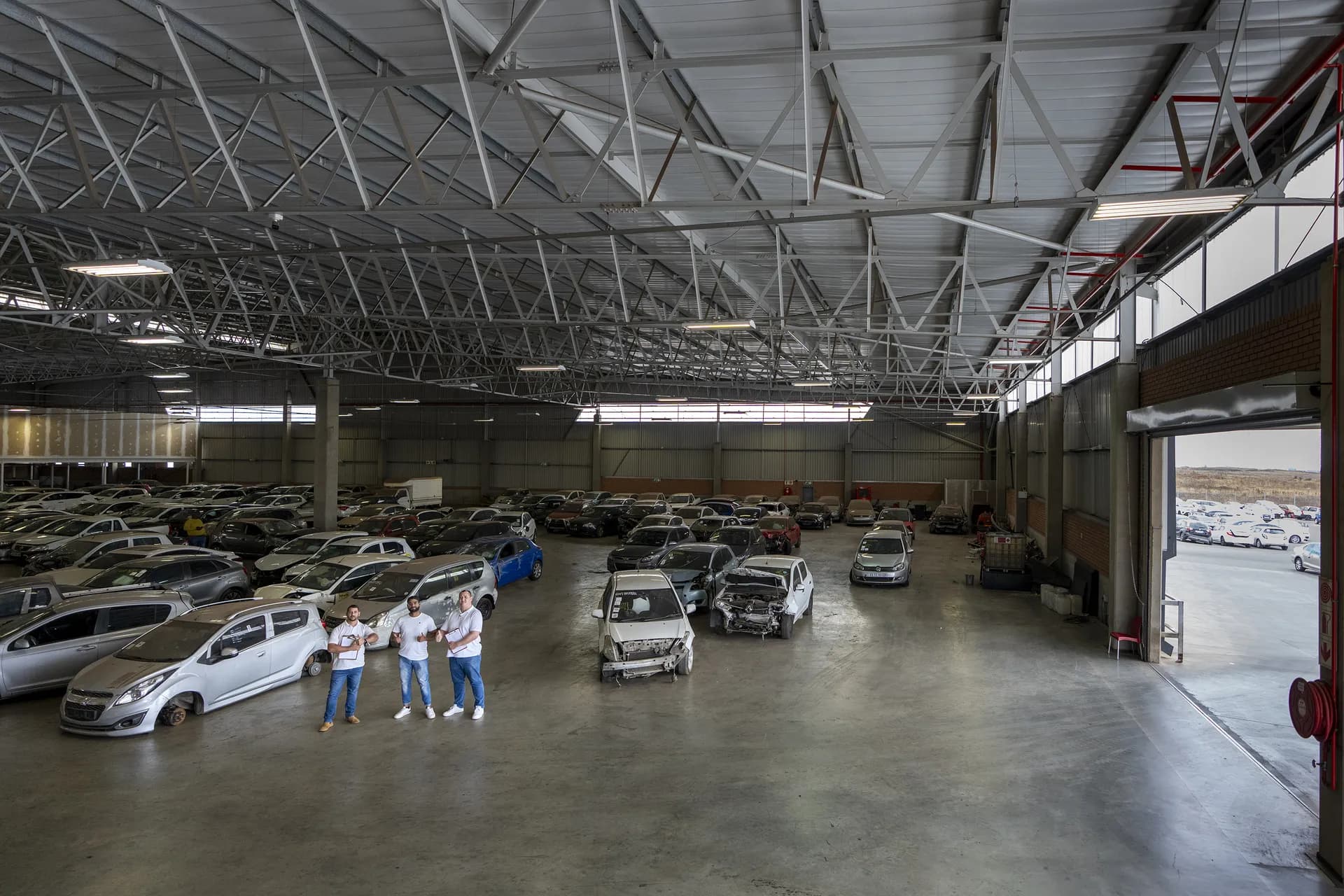
When Selling Makes Sense
If repair costs, downtime or hidden risks outweigh value, selling is often the pragmatic choice.
Key South Africa Considerations
Check finance status, deregistration needs and use nationwide services offering towing and admin help.
Prepare to Maximise Value
Clear photos, service records and transparent disclosure improve offers from specialist buyers.
Overview: What 'flood damaged' means and why it matters
Flood-damaged cars have been exposed to high water levels that affect electrical systems, mechanical components, interior trim and structural parts. The severity ranges from light water intrusion to full submersion. Deciding whether to repair or sell a flood-damaged car depends on safety, cost, long-term reliability, and resale complexity. Selling may be the practical choice for many owners in Johannesburg, Cape Town, Durban and surrounding areas when repair costs, downtime and uncertainty outweigh the value of keeping the vehicle.
Why this matters in South Africa
South Africa's seasonal storms and flash floods can rapidly convert a working car into one with electrical faults, hidden corrosion and contaminated fluids. Local factors - availability of parts, repair labour rates, and salvage demand - affect the financial outcome. Services that buy flood-damaged cars nationwide can save time and logistics hassle by handling paperwork, deregistration and towing.
Quick note: If the car is under finance, contact your lender first; many sale or transfer steps require lender consent and settlement offers. Selling a vehicle while still financed needs clear documentation to avoid legal complications.
When to consider selling versus repairing
Use a simple decision checklist: estimate repair costs, compare to the vehicle's pre-flood market value, account for downtime and hidden future issues, and evaluate whether you have reliable access to trusted technicians. If repair estimates approach or exceed a significant portion of the car’s value, selling is usually preferable.
Repair cost vs value retained
| Typical repair range (R) | Likely value retained after repair | When repair makes sense |
|---|---|---|
| R5,000 - R20,000 (minor water ingress) | 75%-90% of pre-flood market value (estimate) | If vehicle is newer, low mileage and repairs are by certified technicians |
| R20,000 - R60,000 (moderate electrical/mechanical work) | 50%-75% of pre-flood market value (estimate) | If sentimental value or replacement costs are high |
| R60,000+ (major engine/electrical replacement) | Under 50% of pre-flood market value (estimate) | Usually uneconomic; selling is typically recommended |
Figures above are illustrative estimates for South African conditions; actual repair quotes vary by make/model, extent of water damage and parts availability. Always request written estimates from reputable workshops.
Damage types vs typical offer impact
| Damage type | Typical effect on offers |
|---|---|
| Surface water (door sills, carpets) | Minor to moderate reduction; restoration straightforward if caught early |
| Engine/gearbox contamination | Significant reduction; expensive mechanical work likely |
| Full submersion | Major reduction; often classified as salvage or written-off |
| Electronic/electrical faults | High uncertainty; intermittent faults reduce buyer confidence |
Practical pros of selling a flood-damaged car
- Faster resolution and cash liquidity: Selling avoids long repair timelines and lets you use funds for a reliable replacement.
- Avoid hidden future faults: Flood damage can produce latent corrosion or intermittent electrical issues that surface months later.
- Reduced logistics and administration: Many vehicle-buying services in South Africa offer free towing, handle paperwork and deregistration nationwide which simplifies the process.
- Access to salvage market expertise: Dealers who regularly buy flood-damaged cars can provide transparent valuations reflecting salvage demand.
For an overview of how a specialised buyer handles collection and paperwork, see the company background and process on our About / How it works page.
Practical cons and risks of selling a flood-damaged car
Selling a flood-damaged car can mean accepting a lower immediate payout than repairing and selling later, especially for late-model vehicles with low kilometres. Some owners worry about transparency to future buyers; however, selling to a professional buyer reduces the risk of private-sale disputes or liability. Additionally, vehicles under finance or with unclear ownership documentation require extra steps before transfer.
Common seller concerns in SA
- Lower cash realised than a repaired sale - particularly if repairs would meaningfully increase resale value.
- Need to disclose flood history; private buyers may be hesitant, prolonging sale time.
- If the vehicle is financed, lenders often require settlement or transfer documentation before release of ownership.
How the selling process typically works (South Africa context)
Specialist buyers follow a standard flow: you submit vehicle details and photos online, receive an assessment or indicative offer, accept if satisfied, and then the buyer arranges collection (often free towing) and completes the paperwork including deregistration where applicable. After collection and verification, payment is released. For a straightforward online experience and to learn what details are needed for non-running or damaged vehicles, see the Sell Non-Running Car and Sell Damaged Cars pages for specific guidance.
Tips to maximise value if you choose to sell
- Document the damage clearly: multiple clear photos from different angles, engine bay, undercarriage and interior help buyers assess condition accurately.
- Provide service records and proof of ownership: a full service history or MOT-type records can improve confidence.
- Declare finance status early: if the vehicle is financed, have lender contact details and payoff figures ready.
- Compare offers and ask about inclusions: confirm whether towing and paperwork handling are included to avoid surprise costs.
Practical example: A mid-2010 hatchback with interior water intrusion but no engine failure might attract modest repair estimates of R10,000-R25,000. If the car’s pre-flood trade value was R80,000, repairs could retain 70%-85% of value - but latent electrical faults could reduce long-term reliability. This makes selling to a specialist buyer with nationwide collection an appealing alternative for many owners.
After you decide: what happens next
If you opt to sell, prepare documentation (ID, registration papers, proof of bank details) and clear photos. A professional buyer will typically confirm an offer, arrange free towing from your location, complete required transfer paperwork and assist with deregistration. If you prefer to research first, begin with the company homepage to understand services and coverage across South Africa: Sell Your Damaged Car - homepage.
Key legal and paperwork reminders
- Transfer of ownership must be properly documented to avoid future liability.
- Deregistration or clearance certificates may be required for salvage classification in some provinces - professional buyers often handle this.
- Keep records of all communication, offers and receipts for audit or tax purposes.
Sources
Seasoned automotive specialists dedicated to helping you turn your damaged or non-running vehicle into cash fast and hassle-free.
Disclaimer: This content is for educational purposes only. Product availability, pricing, and specifications are subject to change. Always verify current details on the retailer's website before making a purchase. We may earn affiliate commissions from qualifying purchases.
Why sell your damaged car to us?

A Division of Auction Nation, the leading expert in selling damaged cars

Best price for your damaged car

Get a cash offer within 24h

We buy damaged cars in any condition

We buy accident- damaged cars still under finance

Free, no obligation offer on your vehicle
How We Calculate Your Damaged Car’s Value
Wondering how we calculate your car’s value? At Sell Your Damaged Car, we look at: Your car’s real condition, its salvage value, and the current market demand. It’s all about honesty, transparency, and fairness — that’s how we determine your offer.
Frequently Asked Questions
Get answers to common questions about Comparison And Alternatives
Why Choose Sell Your Damaged Car?
Free Towing
Need a tow? We got you
Hassle Free
Get a cash offer within 24h!
Nationwide
Somewhere remote? No problem!
