
Problems Selling Damaged Cars in Johannesburg - What Owners Need to Know
Discover the common problems when selling damaged cars in Johannesburg, how local factors affect offers, and practical steps to sell faster with less hassle.
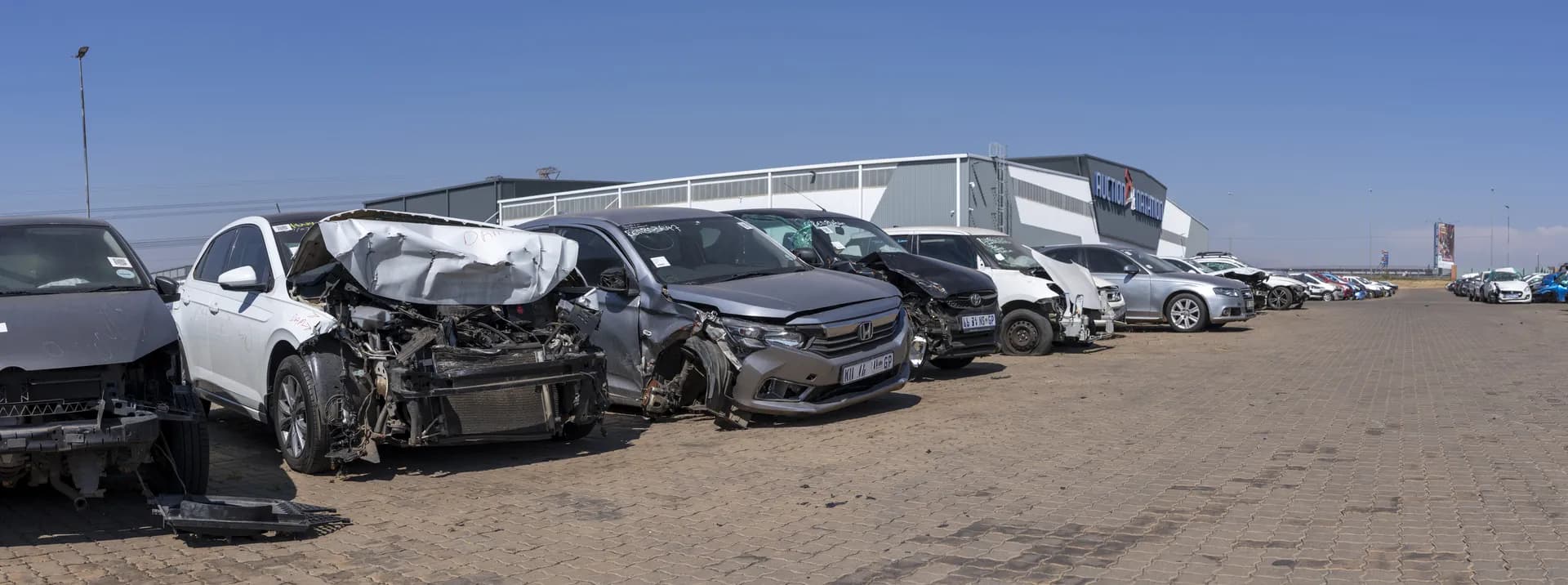
Overview: Selling a damaged car in Johannesburg
Selling a damaged car in Johannesburg presents challenges that differ from private sales of roadworthy vehicles. Issues include limited buyer pools, higher transport and storage costs, stricter paperwork expectations, and increased risk of low offers from opportunistic buyers. This guide explains the typical problems sellers face, how local market conditions in Johannesburg affect values, and what to prepare before listing or accepting an offer.
Why Johannesburg is different
Johannesburg's large vehicle market and heavy traffic result in steady demand for used parts and salvage, but also attract many middlemen and buyers who expect significant discounts for damaged or non-running cars. Transport logistics inside the city (access, tolls, collection windows) and in surrounding Gauteng suburbs can raise costs and complicate private sales compared with smaller towns.
Top problems sellers report
- Low or inconsistent offers: buyers often under-value cars because they factor in repair risk and salvage resale uncertainty.
- Towing and logistics costs: arranging collection in Johannesburg can be costly or delayed if the buyer does not provide towing. For organised pickup options, consider scrap car collection.
- Complex paperwork: deregistration, proof of sale and finance clearance slow transactions, especially for non-standard transfers.
- Time-wasters and unsafe in-person meetings: sellers often face lowball offers, no-shows, or security concerns when meeting buyers in public places.
- Vehicles under finance or unclear title: outstanding finance is common and requires additional steps to transfer ownership legally in South Africa.
Local note
If you are selling from greater Johannesburg - including Sandton, Roodepoort, Soweto or the East Rand - expect a busy market but also tougher negotiation. Prepare clear photos, a damage summary, and documents to move faster.
Repair cost vs value retained (example ranges for South Africa)
| Repair Type | Typical Repair Cost (R) | Estimated Value Retained (%) |
|---|---|---|
| Minor panel & paint | R3,000-R12,000 | 5-15% |
| Structural/framerepair | R15,000-R60,000+ | 10-30% |
| Engine/transmission rebuild | R10,000-R80,000+ | 15-40% |
These ranges are illustrative and depend on make, model and market demand in South Africa; in many cases repair costs approach or exceed the retained value, which is a key reason owners choose to sell damaged cars instead of repairing.
Damage types vs typical offer impact
| Damage Type | Typical Offer Impact |
|---|---|
| Minor cosmetic damage | Small reduction; higher resale to private buyers possible |
| Structural/chassis | Significant reduction; often sold for parts or salvage |
| Flood or fire damage | Strongly negative impact; many buyers avoid these vehicles |
| Non-running/mechanical failure | Reduced offers depending on repair cost and parts demand; if your car won't start, see options for non-running car sale. |
When to sell vs try to repair in Johannesburg
Decide to sell if repair estimates near or exceed the vehicle's market value, if the car is written off by insurers, or if storage and downtime create ongoing costs. Repair may make sense for late-model vehicles with affordable parts and clear title. In Johannesburg, factor in local labour rates and parts availability when comparing quotes.
How sellers can reduce common problems
- Provide clear photos and an honest damage summary to reduce back-and-forth and lowballing.
- Get a basic independent estimate or use a reputable buyer that offers valuation tools online to compare offers quickly.
- Confirm whether buyers include towing and paperwork support; free collection removes a frequent obstacle in Johannesburg.
- If the vehicle is under finance, request a written settlement figure from the lender and disclose this to potential buyers to avoid delays.
How the process typically works with professional buyers
A reliable buyer will ask for vehicle details and photos, provide an obligation-free cash offer based on condition and salvage demand, arrange collection (often nationwide), handle paperwork including deregistration where applicable, and complete payment after collection. Using an established service avoids many of the private-sale complications common in Johannesburg.
What to check before you accept an offer
- Is towing included and who arranges it? Confirm pickup windows and any location surcharges in greater Johannesburg.
- Will the buyer clear outstanding finance or require you to settle first? Get this in writing.
- Which paperwork does the buyer handle? Ask specifically about deregistration and the prescribed forms for South African transfers.
- How and when is payment made? Verify bank details and timing before handing over keys.
Post-sale and collection considerations
Once you accept an offer, organise a secure handover time and keep copies of all documents. If the buyer promises to handle deregistration, get confirmation of completed transfer and keep proof of payment. In Johannesburg, traffic and vehicle access restrictions can change collection times; allow flexibility in scheduling.
Practical examples from Johannesburg scenarios
Example 1: A non-running bakkie in Germiston. The owner avoided towing costs by using a buyer that provides free collection and paperwork - this removed a common negotiation barrier and sped up the sale.
Example 2: A minor-collision hatchback in Sandton. Multiple private buyers viewed the vehicle but offers were low because purchasers factored in restricted parking access and potential repair delays; a professional salvage buyer gave a transparent offer that reflected parts demand and immediate collection.
Sources
- Road Accident Fund and local transport information - regional resources for vehicle incidents in South Africa
- South African Government: Vehicle registration and transfer guidance
- TransUnion South Africa - guidance on finance settlements and vehicle credit status
- Sell Non-Running Car - Sell Your Damaged Car resource
- Sell Damaged Cars - Sell Your Damaged Car resource
- How we handle towing and paperwork - Sell Your Damaged Car
Seasoned automotive specialists dedicated to helping you turn your damaged or non-running vehicle into cash fast and hassle-free.
Disclaimer: This content is for educational purposes only. Product availability, pricing, and specifications are subject to change. Always verify current details on the retailer's website before making a purchase. We may earn affiliate commissions from qualifying purchases.
Why sell your damaged car to us?

A Division of Auction Nation, the leading expert in selling damaged cars

Best price for your damaged car
Get a cash offer within 24h

We buy damaged cars in any condition

We buy accident- damaged cars still under finance

Free, no obligation offer on your vehicle
How We Calculate Your Damaged Car’s Value
Wondering how we calculate your car’s value? At Sell Your Damaged Car, we look at: Your car’s real condition, its salvage value, and the current market demand. It’s all about honesty, transparency, and fairness — that’s how we determine your offer.
Frequently Asked Questions
Get answers to common questions about LOCATIONS
Why Choose Sell Your Damaged Car?
Free Towing
Need a tow? We got you
Hassle Free
Get a cash offer within 24h!
Nationwide
Somewhere remote? No problem!
